
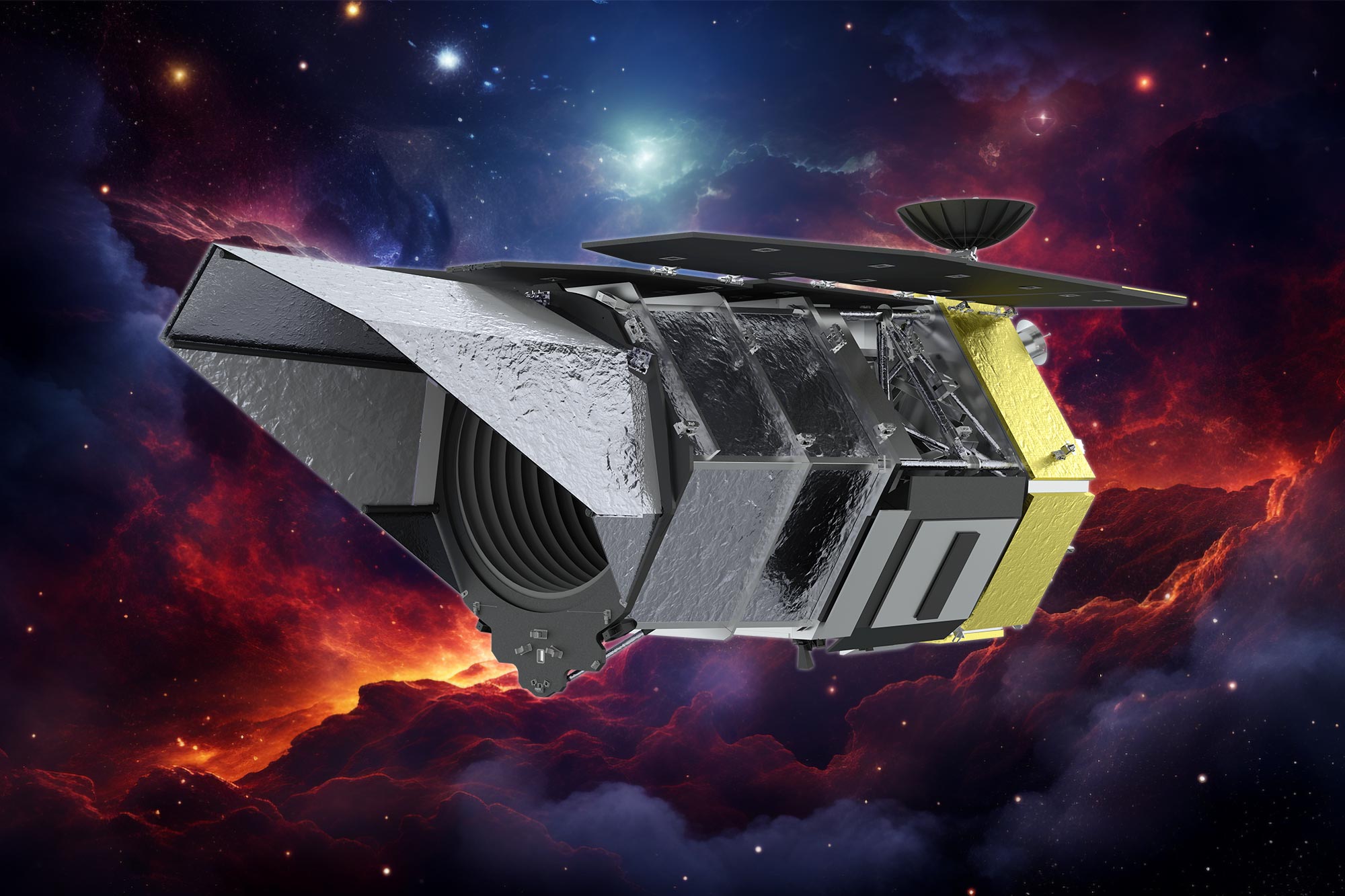
NASA’s Nancy Grace Roman Space Telescope may be able to operate for far longer than originally planned. A highly accurate first course correction, combined with several other fuel savings, is now expected to more than double the mission’s potential lifetime.
“As a result of exquisite planning by our orbital dynamics team, brilliant execution by the operations team, and a precise launch from SpaceX, Roman has fuel for at least 22 years of potential science operations,” said Jamie Dunn, center director at NASA’s Goddard Space Flight Center in Greenbelt, Maryland.
That extra potential lifetime comes from several sources. Roman used far less fuel than expected during its first mid-course correction, carried additional fuel at launch, and is also expected to save propellant during its second course correction and final orbital insertion.
Roman Was Originally Budgeted for 10 Years
Roman was built around a five-year primary mission followed by a possible five-year extended mission, giving the observatory a total fuel budget designed to support 10 years of operations.
Fuel is Roman’s main consumable resource, which means every bit saved during the trip to its destination can potentially be used to keep the telescope operating longer. If the spacecraft continues to use propellant efficiently, those savings could translate into many additional years of observations.
First Course Correction Saves About Four Years of Fuel
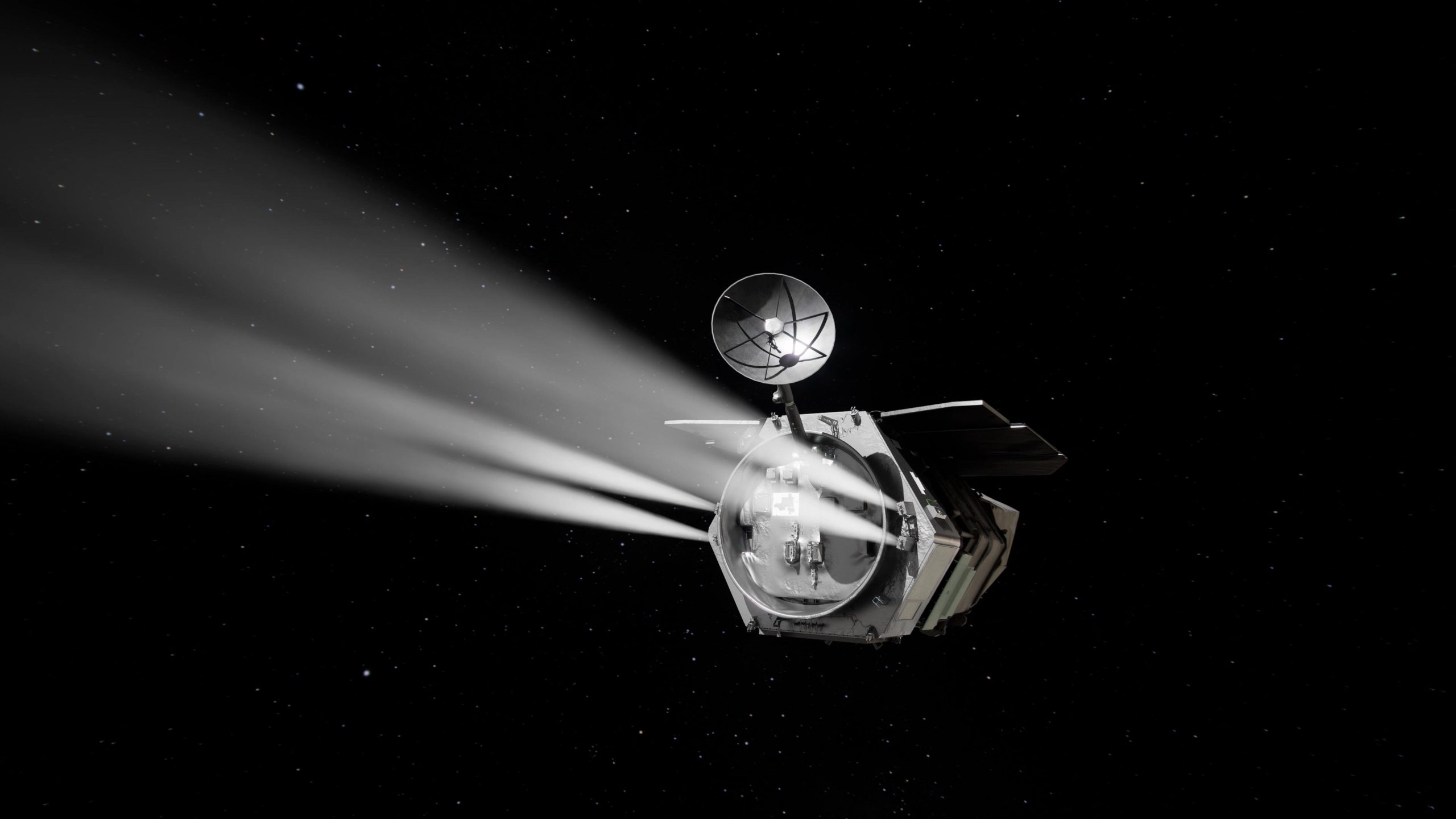
On August 31, the Roman team carried out the spacecraft’s first burn to fine-tune its path toward its final orbit. Since then, engineers have been studying how much fuel the maneuver used and what that means for the mission’s future.
The result was much better than expected. The maneuver was executed with more than 99% accuracy and used less than 10% of the fuel that had been set aside for it. Roman burned about 40 pounds (18 kilograms) of propellant instead of the 441 pounds (200 kilograms) that had been allocated.
That single maneuver could effectively add about four years to Roman’s potential operating life.
A Lighter Spacecraft Meant More Fuel at Launch
Roman also began its journey with more fuel than was originally needed for a 10-year mission.
Engineers had calculated the fuel budget using a conservative maximum spacecraft weight of 21,605 pounds (9,800 kilograms). Roman ultimately weighed much less at launch, coming in at 17,760 pounds (8,056 kilograms).
Because the observatory was lighter, it required less propellant for its course correction. The lower mass also meant there was enough capacity to fill Roman’s fuel tanks more completely than would have been necessary for the original mission plan.
That surplus could provide roughly another four years of potential science operations.
“A spacecraft’s mass changes throughout the design and build process, so we base the propellant budget on a set maximum value so we won’t come up short,” said Alison Rao, the Roman propulsion lead at NASA Goddard. “We track the propellant needed based on actual mass throughout integration and testing as well, to make sure we have wiggle room. Since Roman’s was lower than we budgeted for, we were able to fill the propellant tanks to their capacity rather than only filling them as much as we needed to for the 10-year requirement.”
More Fuel Savings May Be Ahead
Roman’s successful first correction has also made the next maneuver easier.
Because the spacecraft is already following a very accurate trajectory, its second mid-course correction is expected to be small and require relatively little fuel. The team can also wait longer before performing it, with the maneuver now planned for later this month.
That burn will provide the final amount of energy Roman needs to reach the correct position before entering its planned orbit around L2. The observatory is expected to reach that region about 100 days after launch, or around early December.
Current projections indicate that both the second course correction and orbital insertion should use less fuel than originally budgeted. Together, those savings could potentially add another four years of operation.
Roman Could Have Decades of Science Ahead
Once Roman settles into its orbit around L2, its fuel demands should drop substantially. The spacecraft will mainly need small station-keeping maneuvers roughly once every 28 days to maintain its position.
Taken together, the precise launch, lighter spacecraft, highly efficient first burn, extra propellant, and expected future fuel savings could give Roman enough fuel for at least 22 years of potential science operations, more than twice the mission lifetime originally planned.
Never miss a breakthrough: Join the SciTechDaily newsletter.
Follow us on Google and Google News.