
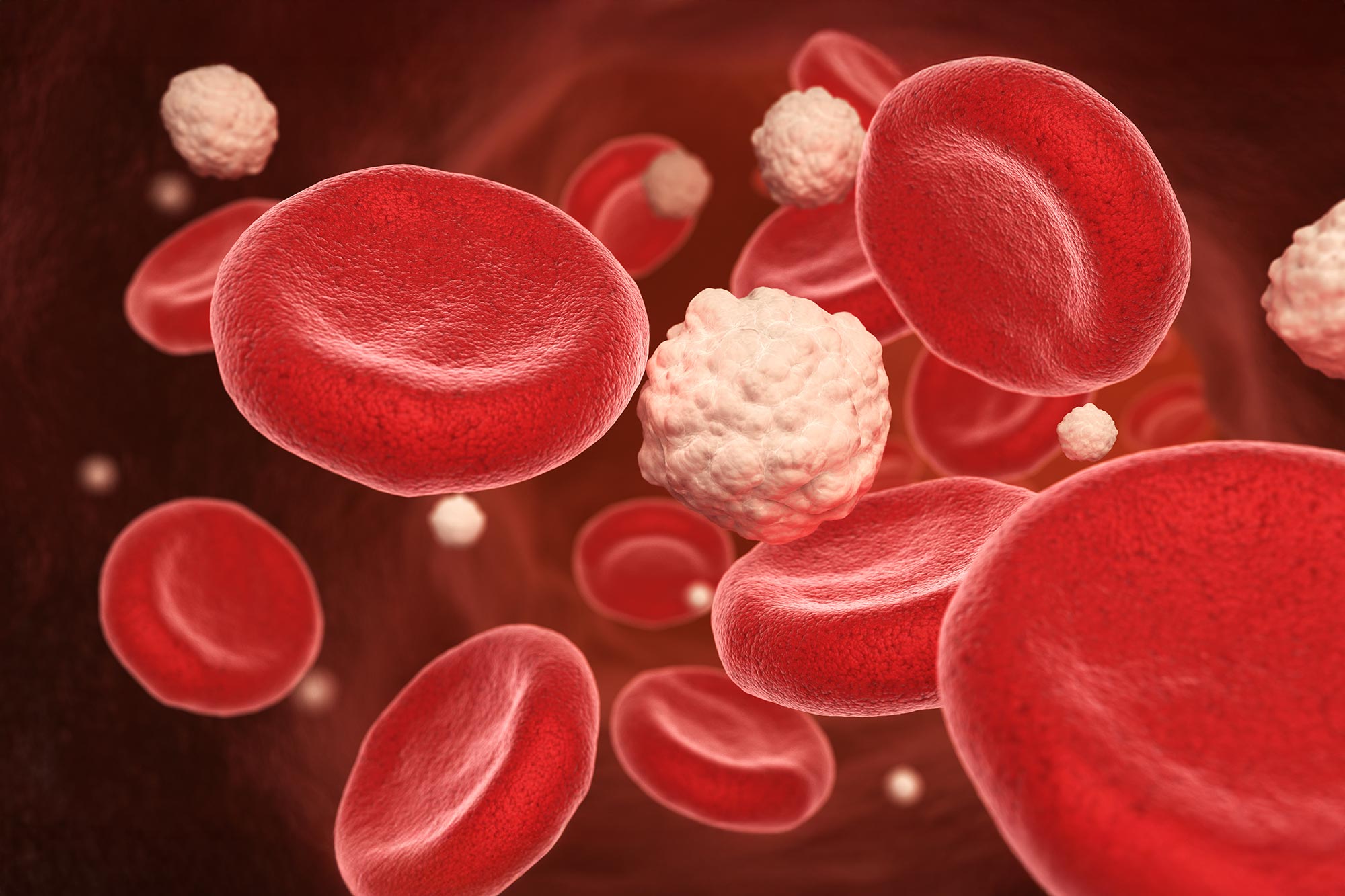
Continuous glucose monitoring may offer clues to heart and metabolic health in people without diabetes, though its role in risk assessment remains uncertain.
Continuous glucose monitoring (CGM), which tracks blood sugar as it changes over time, may offer clues to heart and metabolic health in people without diabetes. In a study of approximately 1,300 adults, researchers found that higher average glucose and more time spent above 140 milligrams per deciliter (mg/dL) were associated with a greater likelihood of high blood pressure, as well as differences in cholesterol levels.
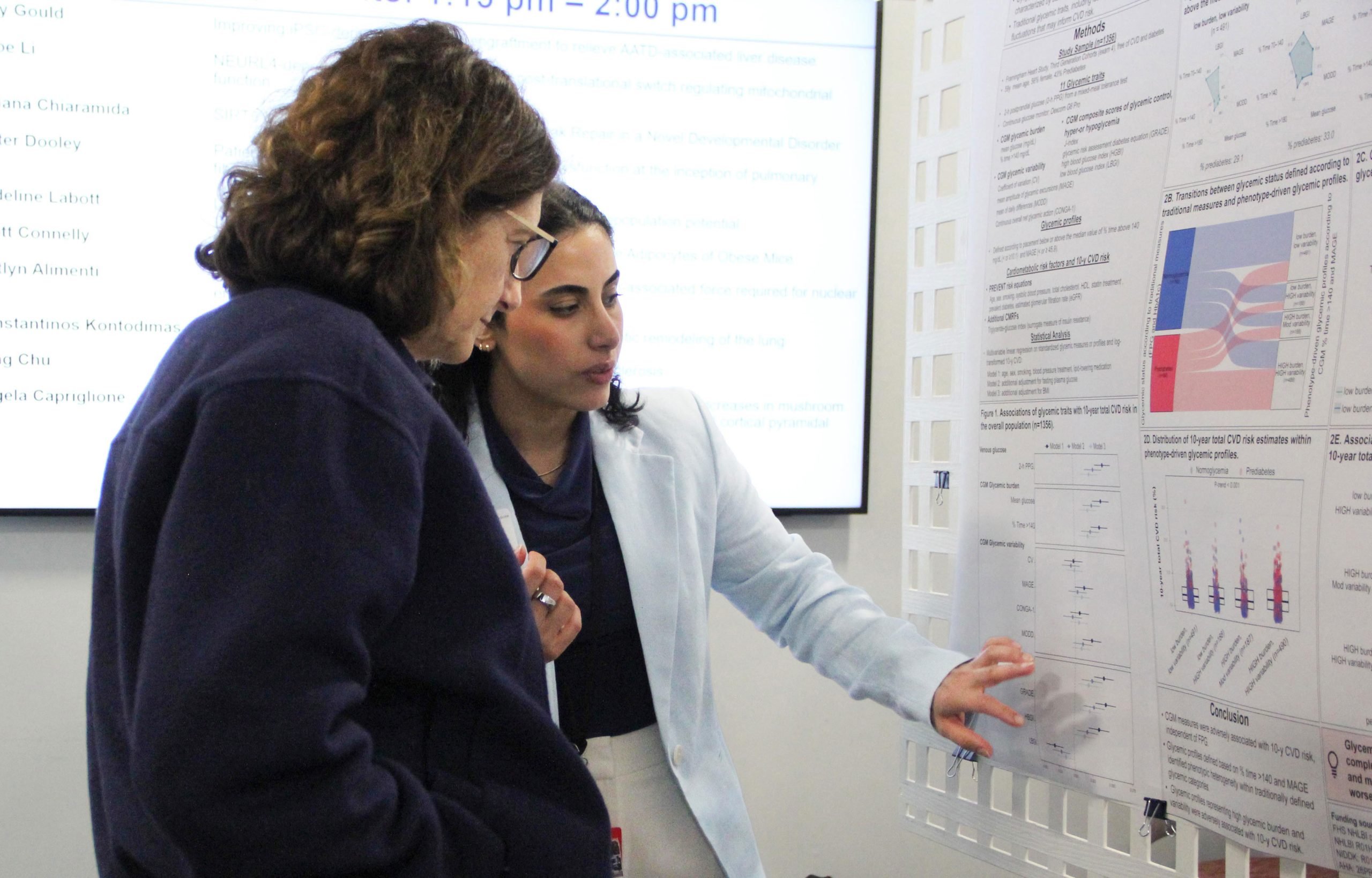
Researchers at Boston University Chobanian & Avedisian School of Medicine analyzed glucose monitoring data from Framingham Heart Study participants who had neither diabetes nor cardiovascular disease. They examined average glucose, how much glucose levels fluctuated, and periods of elevated blood sugar, comparing those patterns with markers of cardiovascular and metabolic health. Their findings were published in Diabetes Care.
Can glucose patterns predict future disease?
The analysis examined associations at a single point in time, so it could not establish whether the glucose patterns predicted future disease in these participants. Other research has begun exploring that longer-term relationship.
“Our findings align with a small but growing body of literature characterizing the cross-sectional associations of CGM measures and health outcomes. Emerging studies have also reported that a higher percentage of time spent at glucose levels >140 mg/dL is longitudinally associated with the development of cardiometabolic outcomes, including type 2 diabetes, among individuals without type 2 diabetes,” says lead author Bahar Bakhshi, MS, a PhD candidate in the school’s Molecular & Translational Medicine Program.
Blood sugar fluctuations standard tests miss
Continuous monitoring provides a different view of blood sugar than the standard screening tests. Fasting plasma glucose (FPG) measures glucose after a period without food, while hemoglobin A1c (HbA1c) reflects average blood sugar over the preceding few months. Both are clinical gold standards, but neither captures the fluctuations that can reveal how blood sugar regulation differs from person to person.
CGM is already used to manage diabetes. Studying its measurements in people without diabetes could help researchers identify distinct patterns of abnormal blood sugar regulation, known as dysglycemia. Grouping people by measurable characteristics such as these patterns is called phenotyping.
“Understanding temporal glucose patterns may be pivotal in uncovering early or intermittent dysglycemia and its downstream cardiometabolic risks. Continuous glucose monitoring may aid this in characterizing the heterogeneity underlying dysglycemia by enabling phenotyping of individuals across the blood sugar continuum,” explains corresponding author Nicole Spartano, PhD, an assistant professor of medicine.
Additional studies are needed to determine how these measurements might inform cardiovascular risk assessment in people without diabetes. The findings could also guide research on preventing diabetes and cardiovascular disease.
Reference: “Beyond Traditional Glycemic Measures: CGM Glycemic Profiles Reveal Associations With Cardiometabolic Risk in Individuals Without Diabetes” by Bahar Bakhshi, Honghuang Lin, Naznin Sultana, Elizabeth Healey, Havelah Queen, Ge Gao, Sophie E. Claudel, Erika T. Minetti, Gary F. Mitchell, Joanne M. Murabito, Donald M. Lloyd-Jones, Michael C. Cheney, Devin W. Steenkamp, Matthew Nayor, Vanessa Xanthakis, Maura E. Walker and Nicole L. Spartano, 17 September 2026, Diabetes Care.
DOI: 10.2337/dc26-1197
This investigation was supported by Framingham Heart Study contracts with the National Heart, Lung and Blood Institute (NHLBI) (N01-HC25195,HHSN268201500001I, and 75N92019D00031), with additional support from the National Institute of Diabetes and Digestive and Kidney Diseases (R01DK129305) (N.L.S.) and NHLBI (R01HL156975) (M.N.). B.B. is supported by a predoctoral fellowship from the American Heart Association (26PRE1564902). E.H. is supported by the Eunice Kennedy Shriver National Institute of Child Health and Human Development (T32HD040128). Dexcom, Inc., provided CGM devices at a discounted rate.
Never miss a breakthrough: Join the SciTechDaily newsletter.
Follow us on Google and Google News.