
Close Menu
    Facebook X (Twitter) Instagram
    SciTechDaily
    • Biology
    • Chemistry
    • Earth
    • Health
    • Physics
    • Science
    • Space
    • Technology
    Facebook X (Twitter) Pinterest YouTube RSS
    SciTechDaily
    Home»Health»Yale Cardiologists Identify a Potential Therapeutic Target for Pulmonary Hypertension
    Health

    Yale Cardiologists Identify a Potential Therapeutic Target for Pulmonary Hypertension

    By Ziba Kashef, Yale UniversityOctober 8, 20151 Comment2 Mins Read
    Facebook Twitter Pinterest Telegram LinkedIn WhatsApp Email Reddit
    Share
    Facebook Twitter LinkedIn Pinterest Telegram Email Reddit
    Cardiologists Identify Potential Therapeutic Target for Pulmonary Hypertension
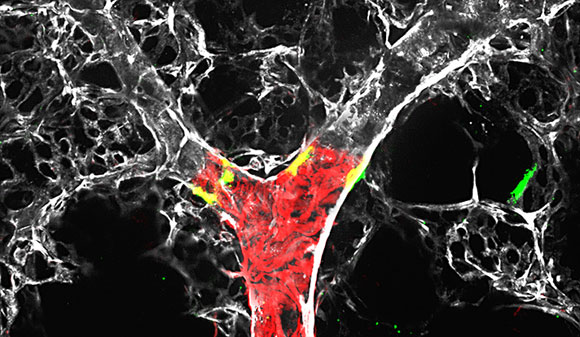
    Progenitor smooth muscle cells are located at the muscular border in normal lung blood vessels.

    In a newly published study, Yale scientists detail the discovery of a novel cell type that is essential to the development of pulmonary hypertension and promises to lead to improved therapies.

    Cardiovascular diseases are the leading cause of death worldwide. As a prime example, pulmonary hypertension is especially lethal, with one-half of patients dying within three years of being diagnosed. New research aims to change that by finding a therapeutic target for pulmonary hypertension.

    Pulmonary hypertension is a form of high blood pressure that affects arteries in the lungs. The molecular and cellular events leading to the development of the disease are not well understood. To gain further insight, scientists in the Yale Cardiovascular Research Center studied human lung samples and a mouse model of this devastating disease.
    A Potential Therapeutic Target for Pulmonary Hypertension
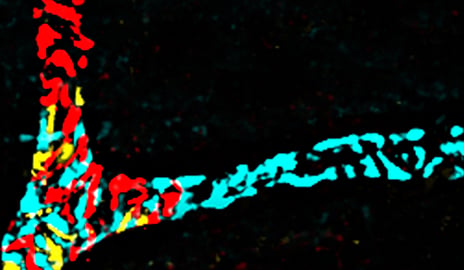
    A single progenitor cell identified in normal lung blood vessels migrates and multiplies in pulmonary hypertension.

    The researchers found specialized cells in the smooth muscle of lung blood vessels that proliferate in pulmonary hypertension. “It is remarkable that these progenitor cells are present in the normal lung — almost sitting there poised to multiply and migrate in disease,” said Dr. Daniel M. Greif, senior author and assistant professor of cardiology. They also discovered the molecular signals, including the protein KLF4, that regulate these cells.

    Greif and his co-authors plan to further classify the progenitor cells in order to devise novel therapies to benefit patients with pulmonary hypertension. “If a patient is diagnosed early, and these cells could be targeted and manipulated, we could potentially attenuate the course of the patient’s disease,” he said.

    The research was published October 7 in Science Translational Medicine.

    Reference: “Smooth muscle cell progenitors are primed to muscularize in pulmonary hypertension” by Abdul Q. Sheikh, Ashish Misra, Ivan O. Rosas, Ralf H. Adams and Daniel M. Greif, 7 October 2015, Science Translational Medicine.
    DOI: 10.1126/scitranslmed.aaa9712

    Never miss a breakthrough: Join the SciTechDaily newsletter.
    Follow us on Google and Google News.

    Cardiology Disease Hypertension Pulmonary Yale University
    Share. Facebook Twitter Pinterest LinkedIn Email Reddit

    Related Articles

    New Research Shows Thyroid Hormone Therapy Heals Lung Fibrosis

    Trans-Fatty Acid Ban Results in Reduced Heart Attacks and Stroke

    Yale Study Probes the Link Between Common Blood Clotting Conditions

    New Yale Study Pinpoints Key Protein in Severe Vascular Disease

    New Treatments for Pulmonary Arterial Hypertension

    Intensive Glycemic Control Does Not Definitively Reduce the Risk of Impaired Kidney Function

    Survival Rates for Mitral Valve Surgery Patients Improve

    Obese Children with Genetic Variants Susceptible to Fatty Liver Disease

    Ticks, Lyme Disease and Public Health

    1 Comment

    1. Adam on January 11, 2021 2:45 am

      To maintain health, it is advisable to undergo preventive examinations with a cardiologist https://www.biospace.com/article/releases/ninety-one-inc-names-andrea-natale-md-facc-fhrs-as-chief-medical-and-research-advisor/ once a year, even in the absence of complaints. And if the heart begins to bother, then you need to see a doctor as soon as possible. Timely diagnosis and treatment help not only to maintain health, but also to prolong life.

      Reply
    Leave A Reply Cancel Reply

    • Facebook
    • Twitter
    • Pinterest
    • YouTube

    Don't Miss a Discovery

    Subscribe for the Latest in Science & Tech!

    Trending News

    Largest-Ever Study Finds Medicinal Cannabis Ineffective for Anxiety, Depression, PTSD

    250-Million-Year-Old Egg Solves One of Evolution’s Biggest Mysteries

    Living With Roommates Might Be Changing Your Gut Microbiome Without You Knowing

    Century-Old Cleaning Chemical Linked to 500% Increased Risk of Parkinson’s Disease

    What if Your Memories Never Happened? Physicists Take a New Look at the Boltzmann Brain Paradox

    One of the Universe’s Largest Stars May Be Getting Ready To Explode

    Scientists Discover Enzyme That Could Supercharge Ozempic-Like Weight Loss Drugs

    Popular Sweetener Linked to DNA Damage – “It’s Something You Should Not Be Eating”

    Follow SciTechDaily
    • Facebook
    • Twitter
    • YouTube
    • Pinterest
    • Newsletter
    • RSS
    SciTech News
    • Biology News
    • Chemistry News
    • Earth News
    • Health News
    • Physics News
    • Science News
    • Space News
    • Technology News
    Recent Posts
    • A Simpler Path to Super-Resolution: Scientists Reinvent Microscopy
    • Scientists Uncover Hidden Genetic Cause of Diabetes in Babies
    • Amazonian Chocolate Could Become the Next Superfood, Scientists Say
    • Challenging the Narrative: New Study Shows U.S. Life Expectancy Is Rising Across All States
    • Mystery Illness Kills 5 in Burundi As Doctors Scramble for Answers
    Copyright © 1998 - 2026 SciTechDaily. All Rights Reserved.
    • Science News
    • About
    • Contact
    • Editorial Board
    • Privacy Policy
    • Terms of Use

    Type above and press Enter to search. Press Esc to cancel.