
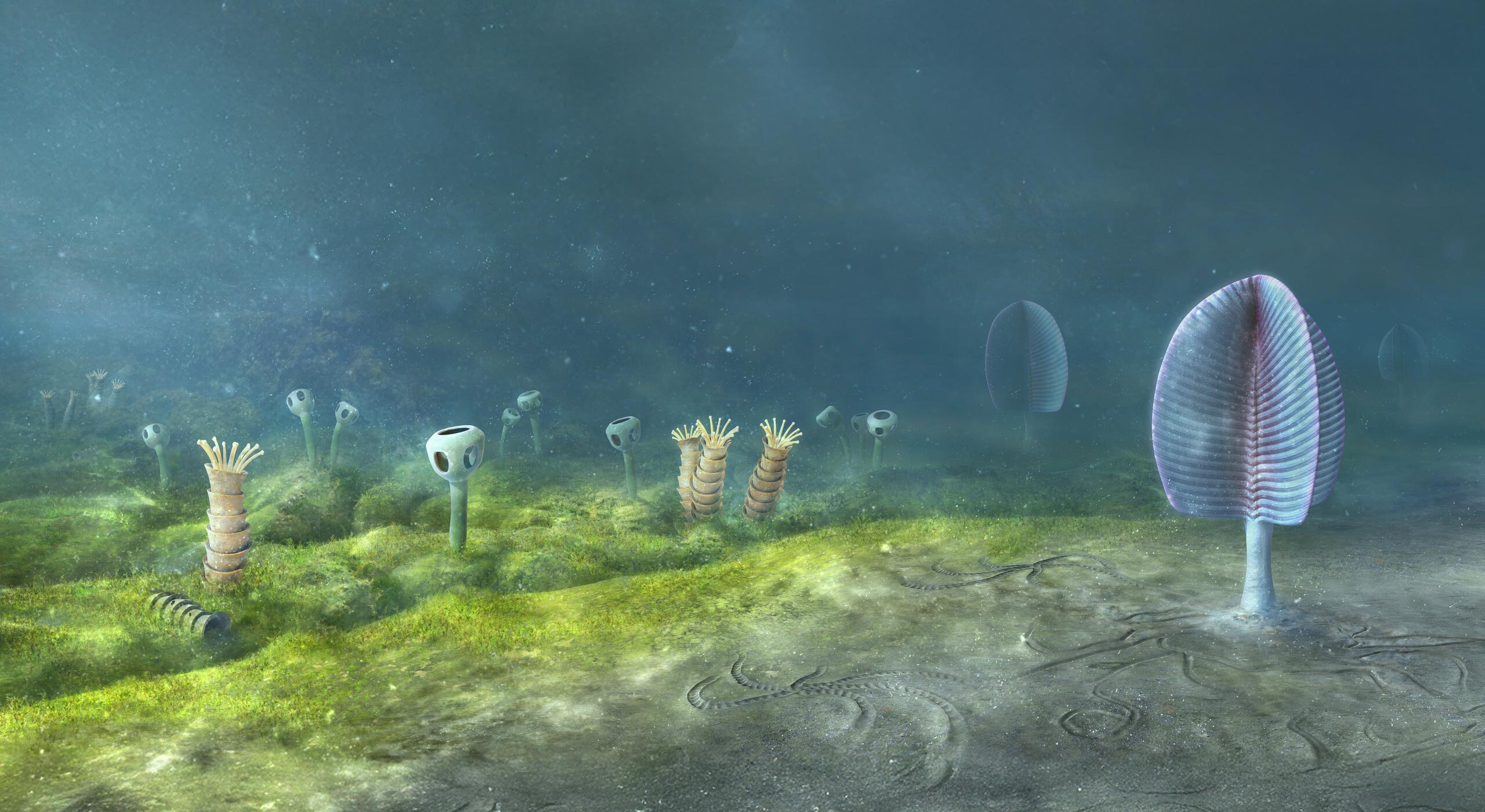
By the time animals left their first unmistakable fossils, they may already have had up to 200 million years of evolutionary history behind them.
A fossil deposit in Mongolia preserves microscopic organisms in extraordinary detail, down to cells inside specimens that resemble embryos. Yet none of the fossils examined can confidently be identified as an animal, even though fossils from Namibia and South China show that animals already existed when the Mongolian deposit formed.
That gap challenges an assumption researchers have used to date the origins of animal life. If a deposit preserves tiny organisms exceptionally well, can scientists conclude that any animals alive at the time would also have been preserved? A new study led by the University of Oxford, published in Science Advances on October 2, suggests the answer is no. Revisiting that assumption pushes the possible origin of animals up to 200 million years before their first unmistakable fossils.
Exceptional preservation can still miss animals
Animal fossils seem to appear relatively suddenly just before the Cambrian Period, which lasted from 539 to 487 million years ago, despite other evidence pointing to an earlier evolutionary history. Researchers have recently used the roughly 590-million-year-old Weng’an Biota in China to limit how far back that history could extend. Its rocks, dating to the Ediacaran, preserve microscopic organisms in exceptional detail, but none are definitive animals. Scientists therefore inferred that animals must have originated after the deposit formed, reasoning that it would have preserved them had they existed.
The Mongolian deposit, known as the Kheseen Biota, offers a way to examine that reasoning. It is more than 40 million years younger than Weng’an, although the two share some species, and dates to a time when animals are known from elsewhere. The research team, which included scientists from the University of California, Berkeley, ETH Zürich, and Yale University, conducted a comprehensive survey of its exceptionally preserved microfossils.
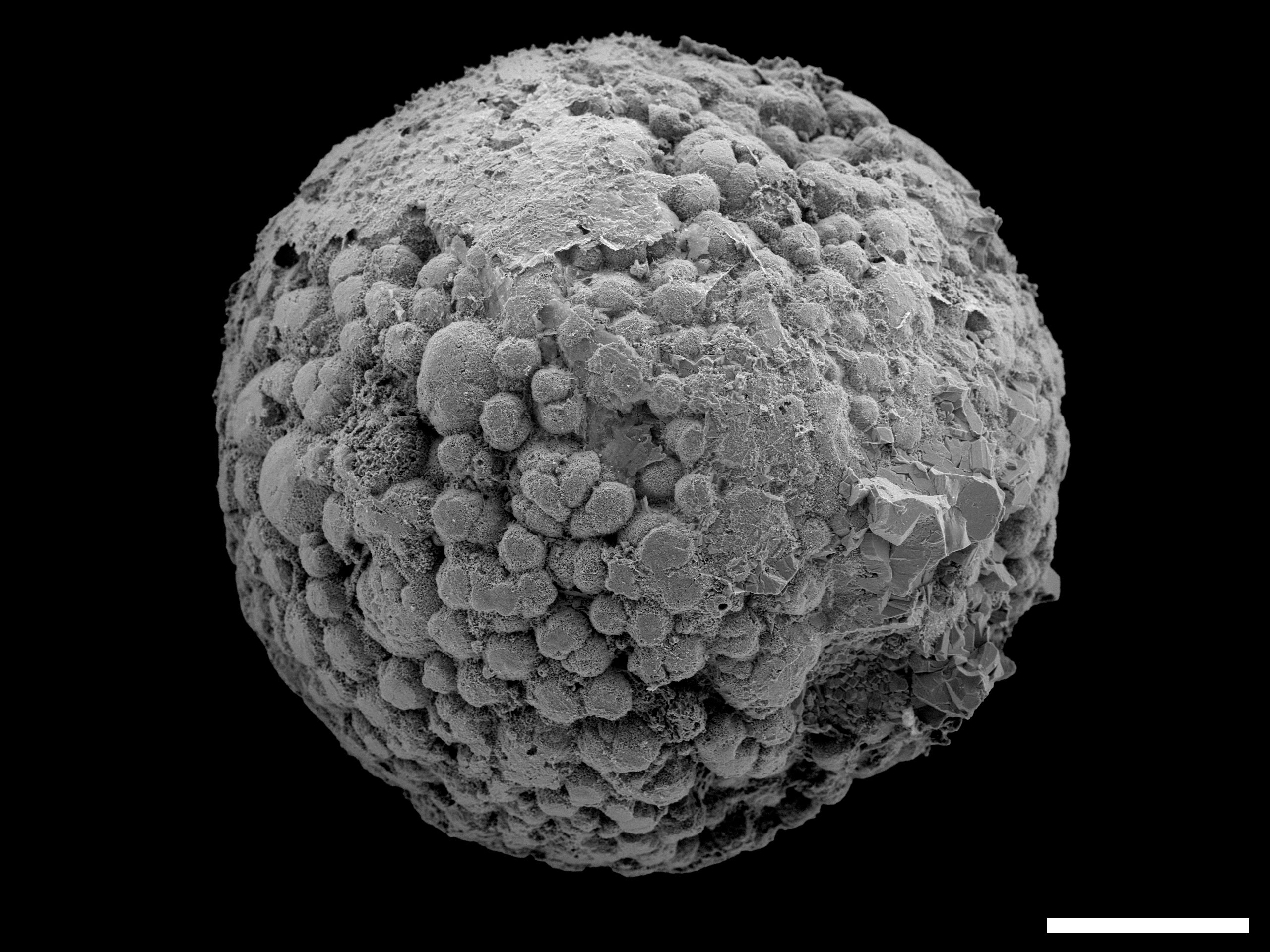
They examined more than 140 samples, including material from previously undocumented localities, using scanning electron microscopy. Alongside the embryo-like fossils with internal cells, they identified new microfossil species, including acritarchs, tiny spherical organisms with spines and branching projections.
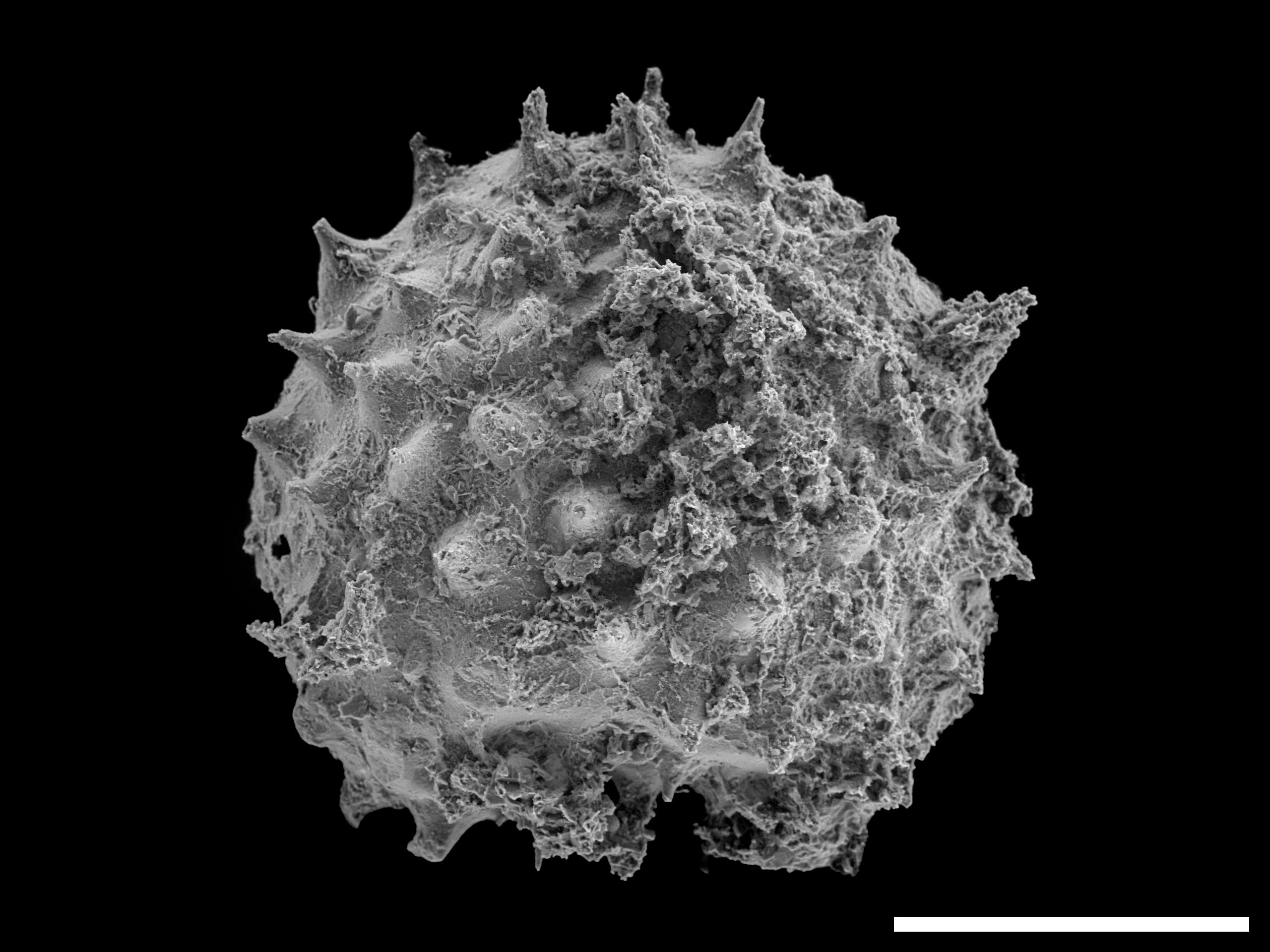
Senior author Associate Professor Ross Anderson, of the University of Oxford’s Museum of Natural History, said, “The Kheseen Biota breaks the argument that the exceptional microfossils of Weng’an mean we would have seen animal fossils in the assemblage had they existed at the time. The Kheseen microfossils are just as well-preserved, yet animals continue to be absent—despite the fact we know at that point they existed.”
The earliest animals would have been small and soft-bodied, lacking the shells, bones, and other hard structures that make later animals easier to preserve. Fossilization would have depended on their environment and an unusual combination of chemical conditions after death. The researchers argue that animals either lived in environments different from those represented in the Kheseen Biota or that the chemical conditions there failed to preserve their remains. Either possibility weakens the use of Weng’an’s missing animals as evidence that animal life had not yet begun.
Chemical traces offer another way to look for creatures whose bodies have disappeared. Biomarkers preserved in ancient rocks provide evidence consistent with sponges living at least 650 million years ago, tens of millions of years before the oldest definitive macroscopic animal fossils, those large enough to see without a microscope.
Molecular clocks point to earlier animals
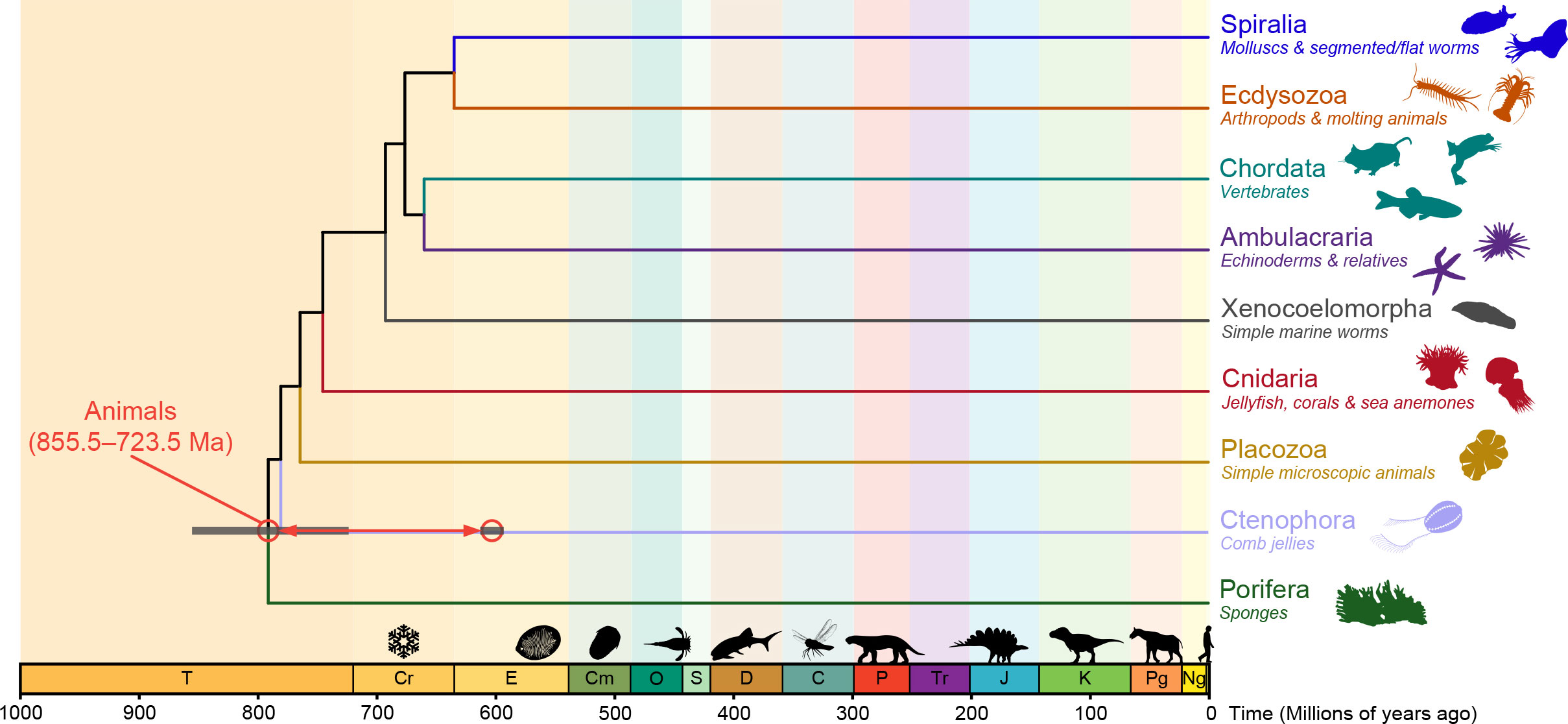
To estimate how much further back animal origins might reach, the team used molecular clock analysis. This technique compares genetic differences between living species and combines rates of evolution with fossil dates as reference points to estimate when their ancestors lived. The dates supplied by the fossil record help constrain those estimates, so changing them can alter the inferred evolutionary timeline.
Instead of treating Weng’an as the maximum age for animal origins, the researchers drew on several older deposits dating from roughly 850 to 730 million years ago. These included the Svanbergfjellet Formation in Norway, the Bitter Springs Group in Australia, and the Chuar Group in Arizona, United States. All are rich in fossils and have the potential to preserve animals, although animal fossils have eluded discovery in them. These deposits have previously been used to set maximum dates for animal origins.
Using those older geological constraints shifted the estimated origin of animals back by around 200 million years compared with analyses constrained by the younger Ediacaran Weng’an deposit. The resulting estimate, between 800 and 700 million years ago, places their possible beginnings deep in the Neoproterozoic Era.

Animals may predate Snowball Earth
That interval spans the beginning of the Cryogenian Period, around 720 million years ago. During the Cryogenian, enormous glaciers spread across the planet in episodes commonly known as Snowball Earth. Animals could therefore have evolved before some of Earth’s most extreme ice ages or appeared during that inhospitable interval. The findings reopen questions about whether conditions associated with Snowball Earth helped shape the origin and early evolution of animal life.
First author Orin Lole Durbin, now a PhD student at Virginia Tech and an undergraduate at the University of Oxford at the time of the study, said, “Pre-Ediacaran animal body fossils still elude us, and this analysis does not prove that animals existed 800 million years ago. However, our new fossil evidence from Mongolia undermines one of the main arguments for restricting animal origins to the Ediacaran interval. Meanwhile, our molecular-clock analyses show how much further back their evolutionary history could extend.”
The researchers recommend searching deposits from different parts of the world that represent varied environments and ways of preserving fossils. That search should consider all available evidence, including animal bodies, traces of their activity, and chemical biomarkers.
Anderson added, “Until that evidence becomes available, the precise birth date of the animal kingdom remains uncertain.”
Reference: “Re-evaluating molecular clock maximum age calibrations revives pre-Ediacaran divergence estimates for animals” by Orin M. Lole Durbin, Eliel S.C. Anttila, Derek E.G. Briggs, Francis A. Macdonald and Ross P. Anderson, 2 October 2026, Science Advances.
DOI: 10.1126/sciadv.aeg6289
Never miss a breakthrough: Join the SciTechDaily newsletter.
Follow us on Google and Google News.