
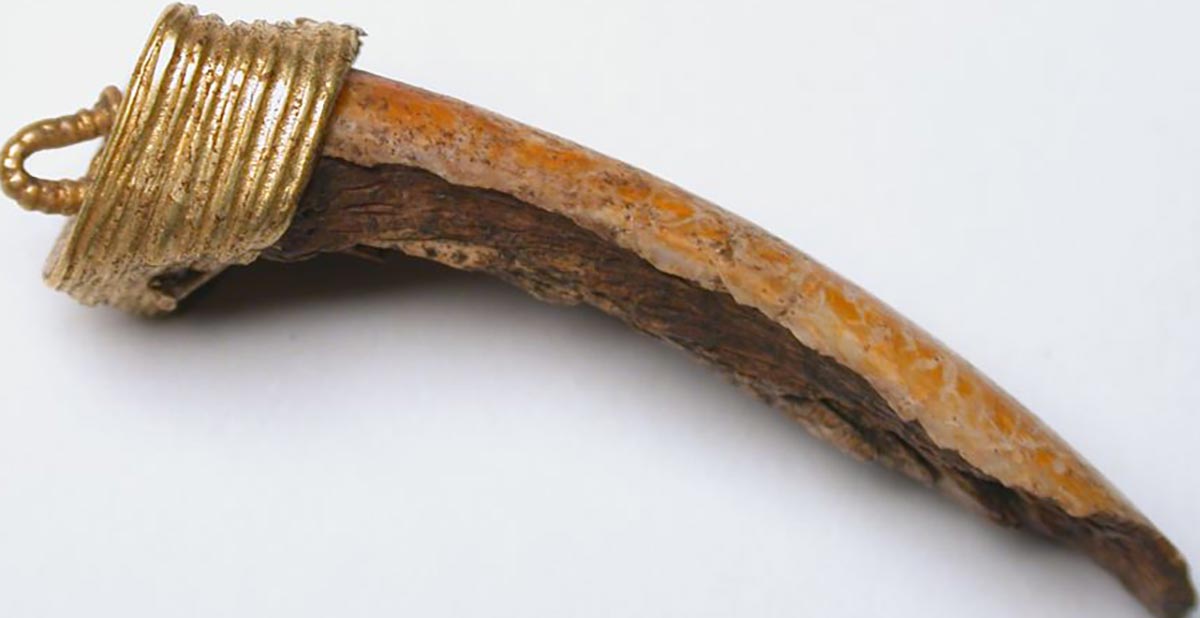
Children in medieval English mining communities faced lead exposure matching or exceeding that in Industrial Revolution cities, with social standing apparently shaping who bore the greatest burden.
Between the 16th and 19th centuries, lead producers in the Derbyshire Peak District of central England repeatedly remelted waste left by Roman and medieval workings. Reusing that material erased many of the industrial traces archaeologists would normally examine to establish when mining and smelting resumed after Roman Britain. A record survived, however, in the teeth of the people who lived there.
Lead preserved in tooth enamel has now provided the first definitive evidence that production was established by the middle of the seventh century AD. It also reveals the extent of childhood exposure. Even in the seventh century, lead concentrations in the mining communities matched or exceeded those found in people from industrial cities around 1750 to 1850.
A mining history preserved in teeth
Mining and smelting exposed communities to lead through contaminated dust, fumes, and materials. Tooth enamel forms during childhood and does not remodel later in life, preserving a record of the lead absorbed while a person was growing up. Measuring the metal locked within enamel allowed researchers to reconstruct childhood exposure from about 650 to 1500 and compare its extent across individuals and communities.
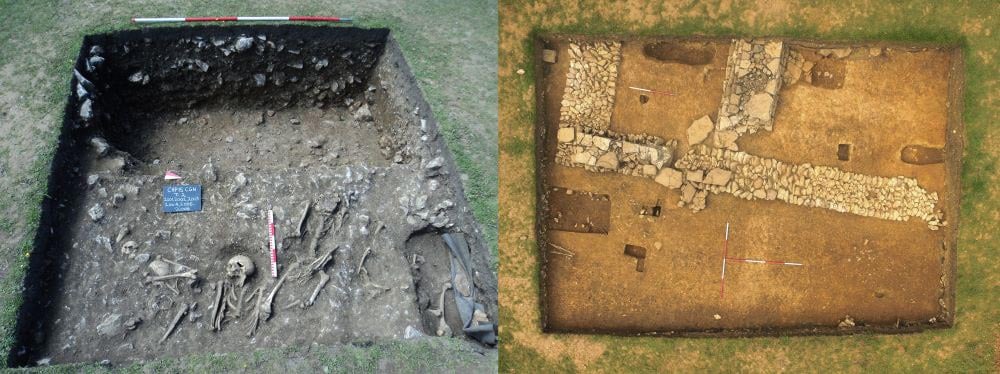
The research was led by the University of Nottingham in collaboration with the British Geological Survey, the University of Sheffield, York Archaeology, and Castleton Historical Society. Combining archaeology, history, chemistry, and environmental science, it is the first study to analyze lead contamination in people who mined and smelted the metal in western Europe’s largest medieval lead-producing region.
The samples came from three cemetery populations spanning the industry’s revival and expansion. Wigber Low, in the Derbyshire White Peak, dates to the seventh century. At Castleton, Joule Yard dates from the seventh to 11th centuries, while Spital Field dates from the 12th to 15th centuries. The research builds on decades of archaeological investigation, including earlier work by Colin Merrony at the University of Sheffield, who identified and excavated key medieval burial sites in the region.
To place the measurements in context, the researchers compared these communities with populations elsewhere in Britain, ranging from the Neolithic period through the Industrial Revolution. This comparison revealed how high childhood exposure already was during the early medieval period, long before the industry reached its greatest scale.
Lead author Christopher Loveluck, Professor of Medieval European Archaeology at the University of Nottingham’s Department of Classics and Archaeology, said, “The team is delighted to have finally confirmed definitively the date by which the early medieval lead industry was established in the Peak District, by the mid-7th century AD, through evidence provided by the people themselves, providing the foundations of western Europe’s largest lead-producing region between the late 12th and 16th centuries.”
Medieval pollution peaks around 1200
By the middle of the eighth century, large-scale production had contaminated the wider environment around mining centers such as Castleton. Childhood lead exposure remained high throughout the medieval period, reaching its greatest levels in the late 12th and early 13th centuries. Historical records place the medieval peak of Peak District lead production in the same period.
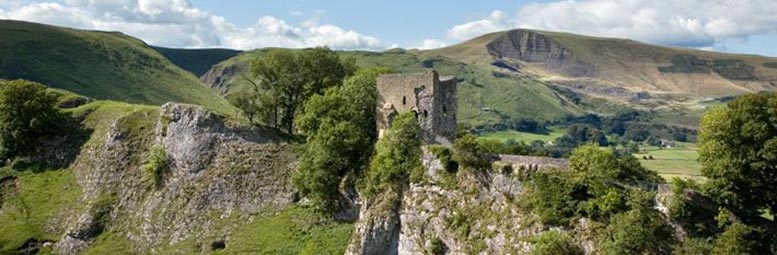
That timing also connects the people’s teeth with evidence collected far beyond their communities. Previous studies of Alpine ice cores and sediment cores from river channels, lakes, and peat bogs across western Europe identified a rise in atmospheric lead pollution around 1200, attributed especially to British production. The enamel findings provide a direct link between those environmental records and the people living and working in one of Europe’s major lead-producing landscapes.
Higher status, lower lead exposure
Within the mining communities, exposure varied with apparent social standing. People buried with high-status grave goods, including weapons, generally had much lower lead concentrations than those whose burials were less richly furnished. The pattern suggests that elites may have controlled or benefited from lead production while lower-status households worked more directly with ore processing and smelting. Children growing up in those households would consequently have faced greater exposure.
Isotopic analysis indicated that most of the individuals studied had grown up locally. This suggests that mining and smelting knowledge passed through generations within relatively stable communities, rather than the industry depending on large numbers of incoming workers.
Merrony said, “Our recent excavations in Castleton have provided a lot of new information about the people living in the Hope Valley during the medieval period. We now understand more about the size of the population in the valley, and we can see from the archaeological evidence that these working communities were involved in industries that required hard physical labor. However, this study has enabled us, for the first time, to see beyond this broader understanding and to look more deeply into the profound impact lead production had on individuals and the communities they lived in.”
Lead’s possible toll on young women
Lead can damage the nervous system, kidneys, and reproductive system, making the childhood exposures a concern even for people who survived for many years afterward. Three women analyzed in the study had elevated childhood lead exposure and died between approximately 17 and 25 years of age. The relationship between childhood exposure and premature death is complex, so these findings suggest a possible association with increased health risks without establishing that lead caused their deaths. Pregnancy may have been a particularly vulnerable time because lead stored in the body can be released back into the bloodstream.
Dr. Anna Bloxam, co-director of the Castleton excavations, said, “We know from modern studies that lead can have profoundly harmful effects on the health and development of children: there is no safe level of exposure. All the individuals included in our study survived into adulthood, but they were exposed to lead while they were young and growing. We can tell from their skeletons that most of the men we studied lived until middle or old age, whereas the women primarily died much earlier, in young adulthood.
“Our results indicate that in these mining communities, girls and boys alike were raised in dangerously polluted home environments. This exposure will likely have caused negative health effects in life, and perhaps contributed to higher rates of premature death among women of childbearing age.”
The findings concern medieval mining and smelting between the seventh and 15th centuries and do not describe modern environmental conditions. The legacy of historic mining in the Peak District is now well understood and carefully monitored, with land management, conservation, and environmental regulation helping to minimize risks associated with former mining activity.
The results will contribute to the developing medieval archaeological research agenda for the Peak District National Park. A temporary display in the region during fall and winter 2026–27 will present the research alongside archaeological discoveries from the Castleton excavations.
Reference: “Social dynamics of toxic metal industry in medieval Europe: Peak District lead production, AD 600–1500” by Christopher P. Loveluck, Hannah J. O’Regan, Anna Bloxam, Catrin Fear, Jane Evans, Simon Chenery, Carolyn Chenery, Colin Merrony, Fiona E. Moore and Angela Darlington, 13 October 2026, Antiquity.
DOI: 10.15184/aqy.2026.10416
The research was funded and supported by the University of Nottingham, the Peak District National Park Authority, Castleton Historical Society, the University of Sheffield, Sheffield Museums and Historic England.
Never miss a breakthrough: Join the SciTechDaily newsletter.
Follow us on Google and Google News.