

An unusual bacterial defense uses DNA to switch on toxin production, suggesting a new way to build molecular tools that control genes.
nb
An infected bacterium can protect its neighbors by destroying itself before the virus inside it has a chance to multiply. Bacterial immune systems called retrons trigger this sacrifice when they detect particular strains of phages, the viruses that infect bacteria.
Decades of research have established a familiar explanation for how this works. A toxin stays ready inside the cell, restrained by small, single-stranded DNA molecules. An invading phage disturbs that DNA, releasing the toxin to kill the cell and stop the infection from spreading through the colony.
Researchers at Gladstone Institutes have now discovered a class of retrons that reverses the relationship between DNA and the toxin. In type VI retrons, DNA switches toxin production on rather than holding an existing toxin in check. The study, published in Molecular Cell, comes from the team of Gladstone Investigator Seth Shipman, PhD, its senior author.
“The way we typically detect retrons inside uninfected cells is by looking for this single-stranded DNA,” says Karen Zhang, a PhD student in Shipman’s lab and lead author of the study. “But type VI retrons caught our attention because they didn’t appear to have this signature. It was very odd, and we wondered if they might be broken.”
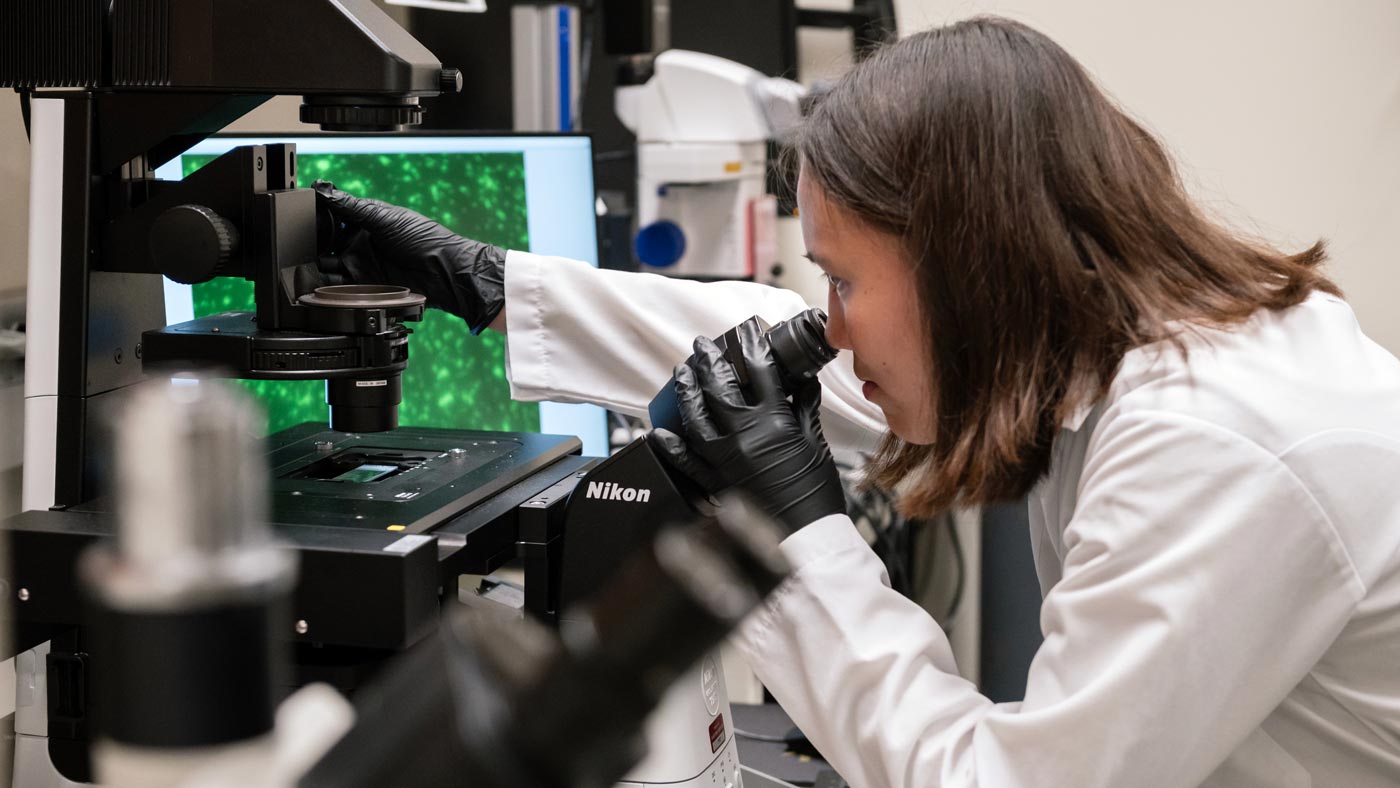
Tests in bacteria carrying type VI retrons showed that the defenses still worked against phages, leaving the researchers to explain how a functioning system could lack its expected DNA signal.
“That kicked off a long molecular odyssey,” Shipman says. “Whenever we tried the experiments we normally use to study retrons, they would fail, so we kept having to think of new ways to figure out how these retrons work.”
The DNA that standard tests missed
One early breakthrough came from Spacer-seq, a tool previously developed in Shipman’s lab. It uses molecular components of CRISPR-Cas, another bacterial immune system, to create a record of gene activity inside a cell. After standard methods repeatedly failed to detect DNA made by type VI retrons in uninfected cells, the team turned to this alternative approach.
“We had just about given up hope that any DNA was being made when this approach finally revealed a very, very low level of production in uninfected cells,” Zhang says.
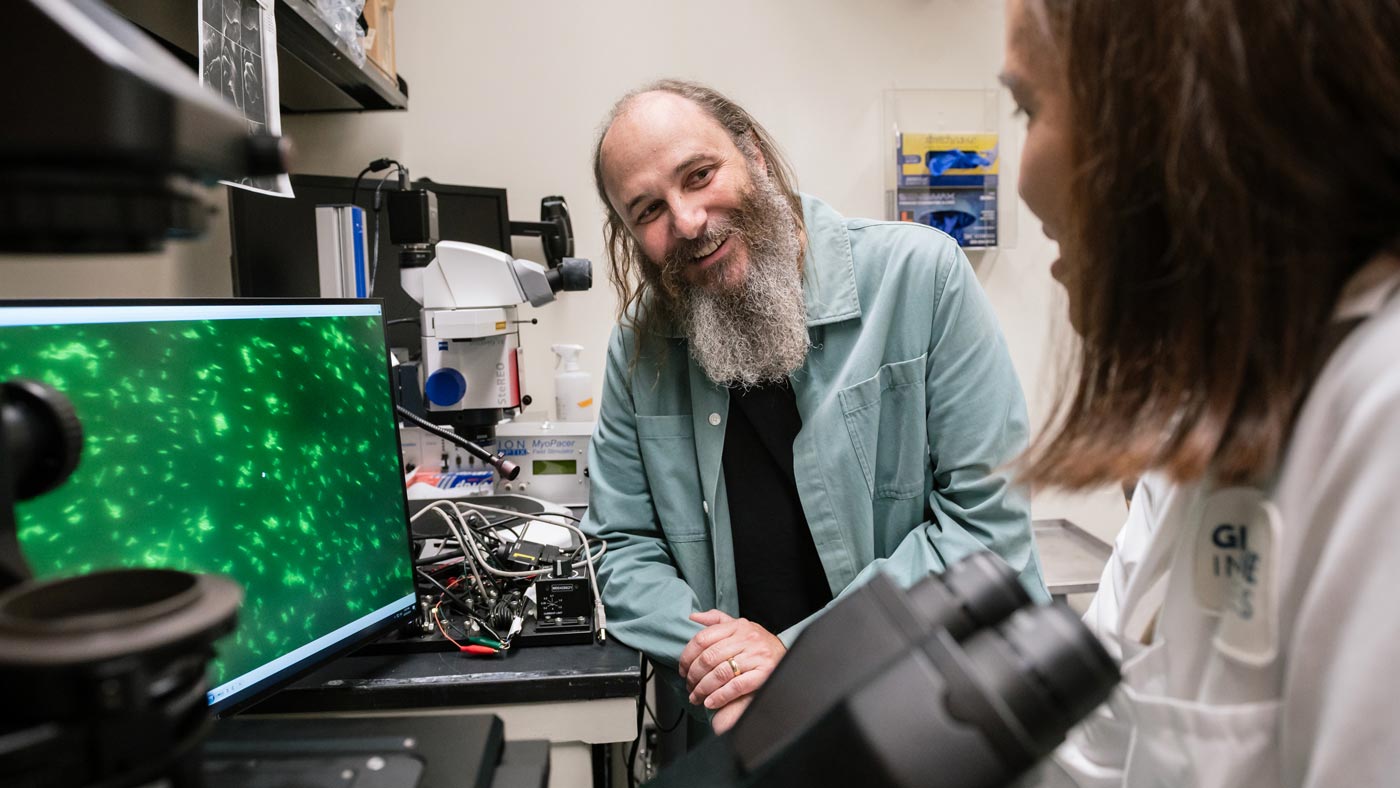
That trace gave the researchers a reason to keep investigating. Further experiments showed that type VI retrons produced no noticeable levels of toxin in uninfected cells, either. Phage entry triggered single-stranded DNA production to rise to the levels needed for defense. As the DNA accumulated, it interacted with an RNA molecule that had been blocking toxin production. This interaction removed the block, allowing toxin production to ramp up.
The toxin appears to be a tiny protein that embeds itself in the membrane surrounding the bacterial cell. By destabilizing that membrane, it kills the infected cell.
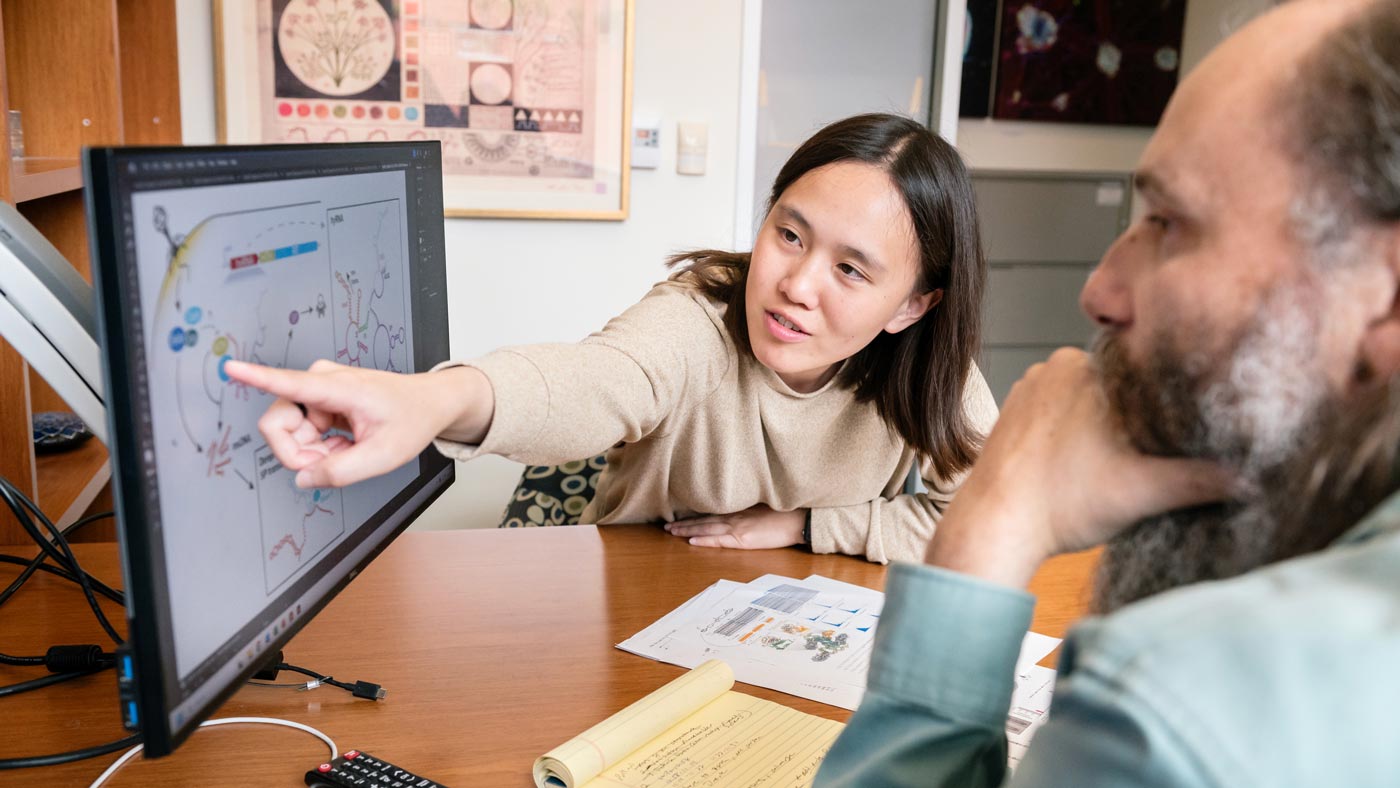
“It’s almost the mirror-image version of how we traditionally view retrons, because the DNA switches on toxin production instead of inhibiting an already-produced toxin,” Zhang says. “It would be fascinating to explore how bacterial evolution could have resulted in such a complex molecular system—whether type VI retrons are older or newer than other retrons, or whether they’re a stepping stone between different types.”
Bacterial defenses inspire gene-control tools
Retrons can also efficiently modify and deliver single-stranded DNA, capabilities that have drawn the attention of researchers developing DNA-editing tools. Shipman and his team are working to harness those abilities to rewrite disease-causing mutations inside human cells with unprecedented precision. Understanding the machinery of different retrons provides molecular designs they could adapt for that work.
“This is, by far, the strangest of the retron systems that we or anyone else has come across,” Shipman says. “These retrons operate with Rube Goldberg-level complexity, using molecular mechanisms that we would never have thought to invent, but that we’ll use in future technologies.”
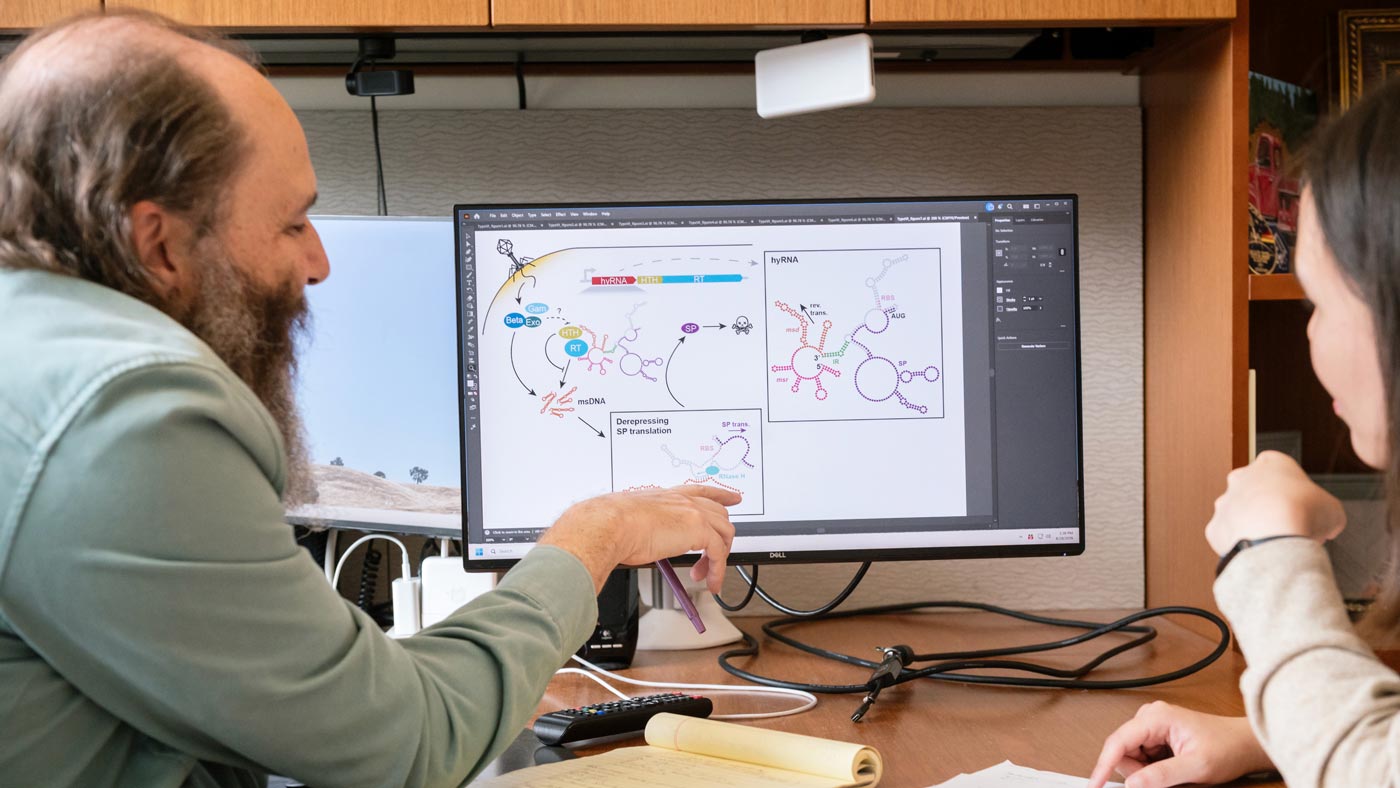
The type VI machinery is already inspiring work in Shipman’s lab on synthetic sensors and switches that could control gene activity.
“This system represents a unique way to potentially build a molecular sensor and switch encoded in DNA and RNA, that no one has thought of before,” Zhang says. “Synthetic sensors and switches have many possible applications, both in treating disease and in designing experiments to better understand how certain diseases operate.”
The tiny, highly potent toxins could have medical uses as well. The scientists are working on ways to incorporate them into new antimicrobial therapies that could target and kill bacteria responsible for human disease.
“This study highlights why it’s so important for a molecular technology development lab like ours to keep looking to nature for inspiration,” Shipman says. “We can use what evolution has given us as starting points to build complex machines that would have been tremendously hard to even conceptualize.”
Reference: “Reverse transcribed ssDNA derepresses translation of a retron antiviral protein” by Karen Zhang, Matías Rojas-Montero, Darshini Poola, Josepha M. Klas, Arturo Carabias, Dennis J. Zhang, Mario R. Mestre, Ruiliang Zhao, Ana Dávila-Hidalgo, Lieza Chan, Kliment A. Verba, Guillermo Montoya, Rafael Pinilla-Redondo, Alejandro González-Delgado and Seth L. Shipman, 13 October 2026, Molecular Cell.
DOI: 10.1016/j.molcel.2026.09.026
The work was supported by the National Science Foundation, the Robert J. Kleeberg Jr. and Helen C. Kleberg Foundation, the Gordon and Betty Moore Foundation, the Lundbeck Foundation, the Fulbright U.S. Student Program, the Junta de Castilla y León and European Social Fund Plus, the European Molecular Biology Organization, the Novo Nordisk Foundation, the European Research Council, and the Villum Foundation.
Never miss a breakthrough: Join the SciTechDaily newsletter.
Follow us on Google and Google News.