
Close Menu
    Facebook X (Twitter) Instagram
    SciTechDaily
    • Biology
    • Chemistry
    • Earth
    • Health
    • Physics
    • Science
    • Space
    • Technology
    Facebook X (Twitter) Pinterest YouTube RSS
    SciTechDaily
    Home»Health»Drinking Tea May Lower Your Risk of Vascular Disease – but There’s a Catch
    Health

    Drinking Tea May Lower Your Risk of Vascular Disease – but There’s a Catch

    By WileyOctober 27, 2026No Comments3 Mins Read
    Facebook Twitter Pinterest Telegram LinkedIn WhatsApp Email Reddit
    Share
    Facebook Twitter LinkedIn Pinterest Telegram Email Reddit
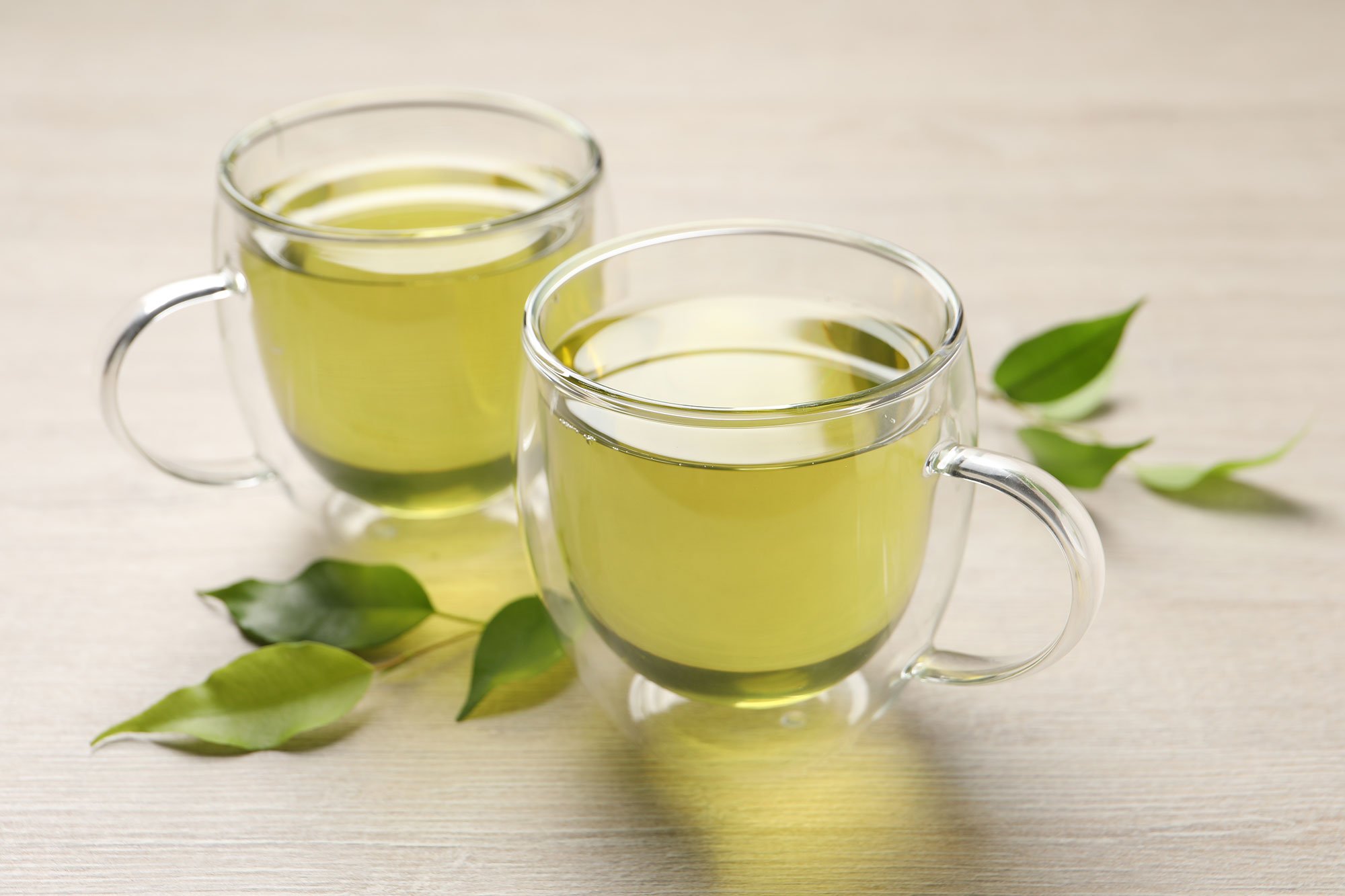
    Cups of Green Tea
    Tea is one of the world’s most widely consumed beverages, enjoyed for its diverse flavors and potential health benefits. Rich in natural compounds such as polyphenols and antioxidants, tea has attracted scientific interest for its possible effects on heart health, metabolism, and overall well-being. Credit: Shutterstock

    Not all tea-drinking habits were associated with the same health benefits. Researchers found that tea type, strength, and temperature were linked to notable differences in vascular disease risk.

    People who regularly drank tea had a lower risk of diseases affecting the heart and blood vessels in a large study in China. However, the pattern varied with the type, strength, and temperature of the tea, with “burning hot” tea associated with elevated risk.

    The study, published in the Journal of Internal Medicine, followed 485,934 adults for a median of 9.05 years. Researchers recorded 14,863 cases of cardiovascular disease, cerebrovascular disease, pulmonary heart disease, and peripheral artery disease. These conditions involve the heart and circulation, including blood vessels in the brain, heart problems related to lung disease, and reduced blood flow through arteries supplying the limbs. Regular tea consumption was associated with an 11% lower risk of these outcomes compared with not drinking tea.

    Tea drinking was also considered alongside smoking and physical activity, providing context for how it fit into a broader pattern of habits.

    “Joint analyses showed that tea consumption, smoking status, and physical were collectively associated with vascular risk, with the favorable combination of habitual tea consumption, non-current smoking and high physical activity associated with the lowest risk,” the authors wrote.

    Tea type, strength, and temperature matter

    Among weekly tea drinkers, the lowest risk was estimated at approximately 6 to 8 cups per day. Black tea showed more consistent associations with lower vascular disease risk than green tea, while moderate-strength tea was associated with the lowest risk. These findings describe associations, rather than establishing that a particular amount or preparation of tea prevents disease.

    The elevated risk associated with “burning hot” tea contrasts with the lower risk linked to regular tea consumption overall. Temperature therefore matters when interpreting the findings, but the reported results do not explain why very hot tea was associated with higher risk or establish that heat itself caused the increase.

    Reference: “Habitual tea consumption is associated with lower cardiovascular disease risk” by Zichen Ye, Yawen Wang, Yimin Qu, Manman Chen, Jinming Fan, He Zhu, Keyu Han, Yuankai Zhao, Jiahui Wang, Qu Lu, Dianjianyi Sun, Canqing Yu, Jun Lv, Yu Guo, Yu Jiang, Liming Li and , 21 October 2026, Journal of Internal Medicine.
    DOI: 10.1111/joim.70172

    Never miss a breakthrough: Join the SciTechDaily newsletter.
    Follow us on Google and Google News.

    Cardiology Epidemiology Nutrition Public Health Wiley
    Share. Facebook Twitter Pinterest LinkedIn Email Reddit

    Related Articles

    Is Your “Healthy” Plant-Based Diet Secretly Harming Your Heart?

    From Prescription Pills to Prescription Produce: Health Flourishes With Fruits and Veggies

    Coffee’s Link to Raised Cholesterol Depends on Drinker’s Sex Plus Brewing Method

    Higher Olive Oil Consumption Linked With Lower Risk of Dying From Heart Disease or Cancer

    New Research Finds Eating Lots of Avocados Has Public Health Benefits for Issues Like Obesity

    Popular Energy Drinks’ Harmful Effects on Heart Revealed in New Research

    Scientists Investigate the Health Risks Raised by Ultra-Processed Foods

    New Analysis of Pre-COVID-19 Reports Reveals Heart-Related Side Effects of Hydroxychloroquine and Chloroquine

    New Study Makes Clear: Meat Isn’t Good for You

    Leave A Reply Cancel Reply

    • Facebook
    • Twitter
    • Pinterest
    • YouTube

    Don't Miss a Discovery

    Subscribe for the Latest in Science & Tech!

    Trending News

    Just Two Days on a Vegan Diet Triggered Unexpected Changes in the Liver

    Antarctica’s “Doomsday Glacier” Could Raise Sea Levels Twice As Much as Scientists Feared

    Snakebites Are Far Deadlier Than We Thought, New Study Reveals

    Scientists Studied 865 Humpback Whales and Found They Grow Faster Than Expected

    Archaeologists May Have Just Discovered the World’s Oldest Shipwreck

    Researchers Find That Arthritis May Leave a Hidden Memory in Your Joints

    These Giant-Headed Ants Are Breaking a Fundamental Rule of Biology

    Scientists Discover a Hidden Cholesterol Switch That Could Change How We Treat Heart Disease

    Follow SciTechDaily
    • Facebook
    • Twitter
    • YouTube
    • Pinterest
    • Newsletter
    • RSS
    SciTech News
    • Biology News
    • Chemistry News
    • Earth News
    • Health News
    • Physics News
    • Science News
    • Space News
    • Technology News
    Recent Posts
    • Drinking Tea May Lower Your Risk of Vascular Disease – but There’s a Catch
    • A Routine Blood Test Could Predict Dementia Risk 15 Years in Advance
    • A New Chemistry Breakthrough Could Change How Scientists Build Quantum Computers
    • The Ocean’s Mysterious “Snow” Could Be Hiding a Powerful Climate Secret
    • Aging’s “Zombie Cell” Problem May Have a Solution, Scientists Discover
    Copyright © 1998 - 2026 SciTechDaily. All Rights Reserved.
    • Science News
    • About
    • Contact
    • Editorial Board
    • Privacy Policy
    • Terms of Use

    Type above and press Enter to search. Press Esc to cancel.