
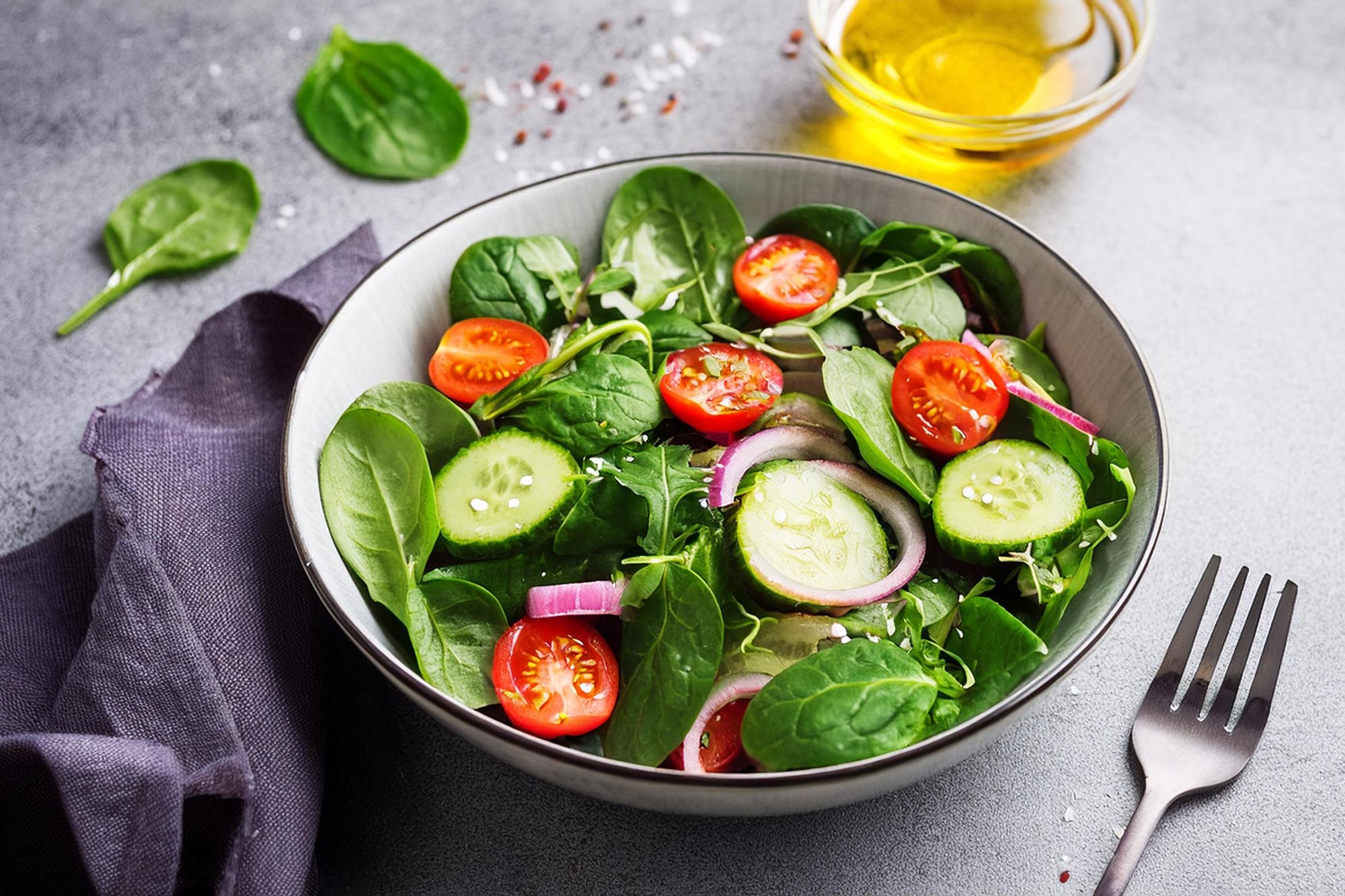
Only unprocessed, nutrient-rich plant foods protect the heart. Ultra-processed options offer no benefit.
Eating more plant-based foods is linked to better cardiovascular health, but only when those foods are high in nutritional quality and minimally processed. This conclusion comes from a team of researchers at INRAE, Inserm, Université Sorbonne Paris Nord, and Cnam, who analyzed health data from 63,835 adults. Their findings were published in The Lancet Regional Health – Europe.
Earlier research has shown that consuming large amounts of ultra-processed foods increases the risk of cardiovascular disease, while other studies have found that diets rich in well-balanced, nutrient-dense plant-based foods can help lower that risk.
To better understand how diet affects heart health, the INRAE and Inserm team went beyond the basic comparison of plant-based versus animal-based diets. They examined not only the ratio of plant to animal foods but also their nutritional composition—such as levels of carbohydrates, fats, antioxidant vitamins, and minerals—and the extent to which they were industrially processed.
The study drew on data from participants in the French NutriNet-Santé cohort. On average, participants were followed for 9.1 years, with some tracked for up to 15 years. Dietary information, including foods and beverages consumed over at least three days, was gathered through online questionnaires. This detailed dataset allowed researchers to categorize diets based on the proportion of plant versus animal foods, their nutritional quality, and their level of processing.
Nutritional quality and degree of processing
The researchers discovered that adults who consumed more plant-based foods of high nutritional quality—those lower in fat, sugar, and salt and with minimal or no industrial processing—had about a 40% reduced risk of developing cardiovascular disease compared to individuals whose diets contained fewer of these plant-based foods and more animal-based products.
Adults whose diets were richer in plant-based products of higher nutritional quality but that were ultra-processed—such as industrial wholemeal breads, store-bought soups, ready-made pasta dishes, or commercially prepared salads with dressing—did not have a lower risk of cardiovascular risk compared to those whose diets were lower in such products and higher in animal-based foods.
The risk of cardiovascular disease was approximately 40% higher among adults who consumed a large proportion of plant-based products that were both of lower nutritional quality and ultra-processed—such as crisps, fruit-based sweetened drinks or sodas made from plant extracts, chocolate-based sweets or confectionery, sugary breakfast cereals and savory biscuits—compared to those whose diets were richer in plant-based products of good nutritional quality with little or no industrial processing.
Implications for public health and diet
These results highlight the need to consider both the nutritional quality and the degree of processing and formulation of foods—alongside the plant-to-animal balance in the diet—in order to better assess the links between nutrition and cardiovascular health.
They provide new arguments in support of public health and nutrition policies that promote plant-based foods, which are both of good nutritional quality with little or no industrial processing (such as fresh, frozen, or high-quality canned fruits and vegetables, for example, without added fats, salt, sugar, or additives).
Reference: “Cardiovascular disease risk and the balance between animal-based and plant-based foods, nutritional quality, and food processing level in the French NutriNet-Santé cohort: a longitudinal observational study” by Clémentine Prioux, Emmanuelle Kesse-Guyot, Bernard Srour, Léopold K. Fézeu, Julia Baudry, Sandra Wagner, Serge Hercberg, Mathilde Touvier and Benjamin Allès, 6 October 2025, The Lancet Regional Health – Europe.
DOI: 10.1016/j.lanepe.2025.101470
Never miss a breakthrough: Join the SciTechDaily newsletter.
Follow us on Google and Google News.
2 Comments
Blows my mind we need studies for what common sense and basic logic make obvious.
Common sense, the least common of all the senses.