
Close Menu
    Facebook X (Twitter) Instagram
    SciTechDaily
    • Biology
    • Chemistry
    • Earth
    • Health
    • Physics
    • Science
    • Space
    • Technology
    Facebook X (Twitter) Pinterest YouTube RSS
    SciTechDaily
    Home»Health»11-Year Study Reveals Eating These Plant Compounds Is Linked to Better Heart Health
    Health

    11-Year Study Reveals Eating These Plant Compounds Is Linked to Better Heart Health

    By King's College LondonDecember 2, 2025No Comments3 Mins Read
    Facebook Twitter Pinterest Telegram LinkedIn WhatsApp Email Reddit
    Share
    Facebook Twitter LinkedIn Pinterest Telegram Email Reddit
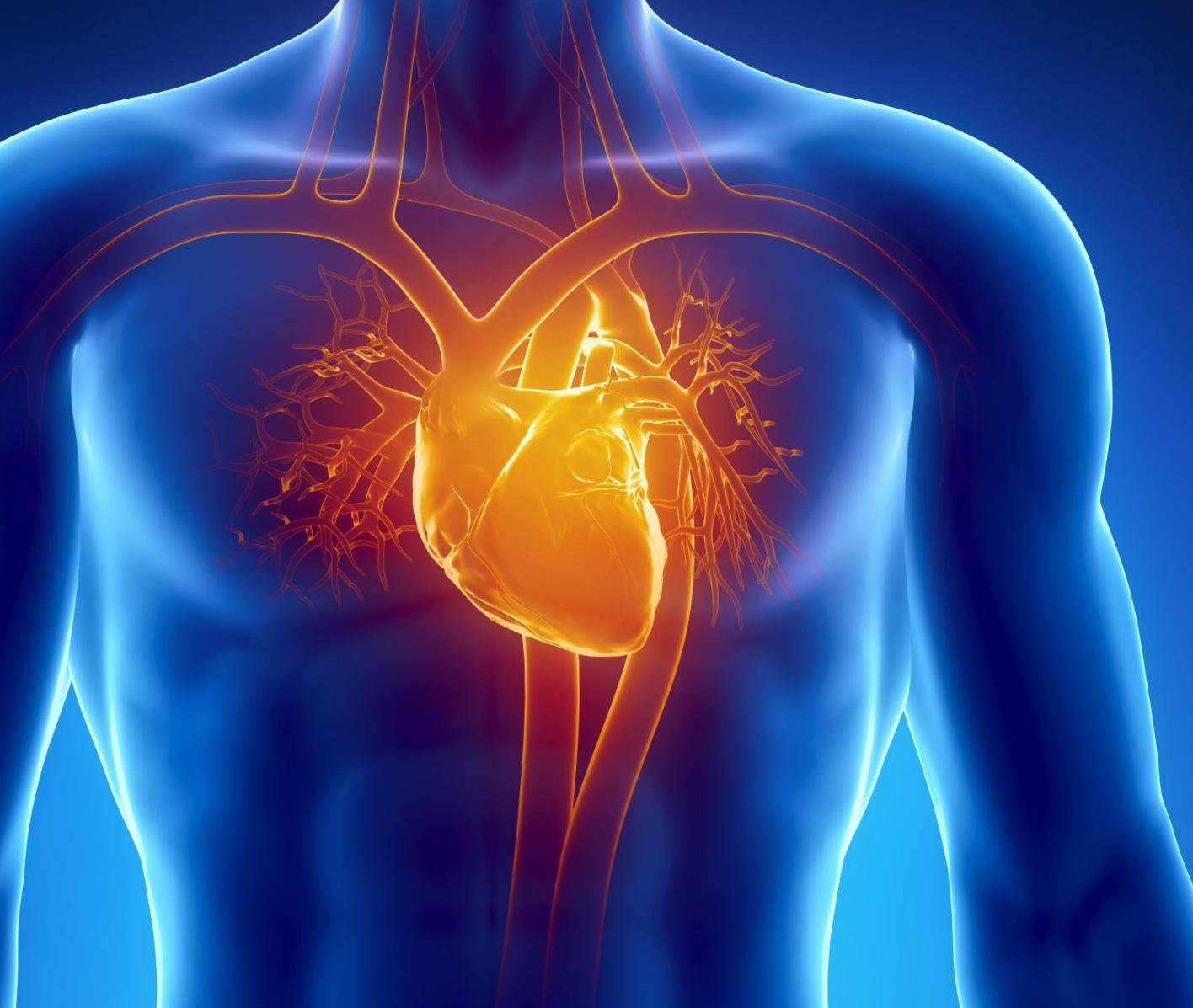
    Human Heart Anatomy
    A long-term study from King’s College London suggests that diets rich in polyphenol-containing foods—such as berries, tea, coffee, and whole grains—may help slow the progression of cardiovascular risk as people age. Credit: Stock

    A decade-long study links polyphenol-rich diets to slower increases in cardiovascular risk.

    People who often eat foods and drinks high in polyphenols, such as tea, coffee, berries, cocoa, nuts, whole grains and olive oil, may support better heart health over the long term.

    A research team from King’s College London reported that individuals who followed dietary patterns rich in polyphenols had lower predicted cardiovascular disease (CVD) risk.

    Polyphenols are naturally occurring plant compounds associated with a range of potential benefits for the heart, brain and digestive system.

    According to the study, released in BMC Medicine, more than 3,100 adults from the TwinsUK cohort were tracked for over ten years. The findings showed that people who consumed higher levels of certain polyphenol groups tended to have more favorable blood pressure and cholesterol levels, which contributed to lower CVD risk scores.

    For the first time, the team also examined a wide set of urinary metabolites created as the body breaks down polyphenols, offering additional insight into how these compounds may influence cardiovascular health.

    Biomarkers Confirm Protective Effects

    These biomarkers confirmed that individuals with higher levels of polyphenol metabolites—especially those derived from specific groups of polyphenols, flavonoids and phenolic acids—had lower cardiovascular risk scores. They also had increased HDL cholesterol, also know as ‘good’ cholesterol.

    The study used a newly developed polyphenol dietary score (PPS) to capture intake of 20 key polyphenol-rich foods commonly consumed in the UK, ranging from tea and coffee to berries, olive oil, nuts, and whole grains.

    This score showed stronger associations with cardiovascular health than estimates of total polyphenol intake, likely because it captures overall dietary patterns rather than individual compounds.This finding suggests that considering the whole diet provides a more accurate picture of how polyphenol-rich foods work together to support long-term heart health.

    Professor Ana Rodriguez-Mateos, senior author and Professor of Human Nutrition at King’s College London, said: “Our findings show that long-term adherence to polyphenol-rich diets can substantially slow the rise in cardiovascular risk as people age. Even small, sustained shifts towards foods like berries, tea, coffee, nuts, and whole grains may help protect the heart over time.”

    Practical and Accessible Dietary Strategy

    Dr Yong Li, first author of the study, added: “This research provides strong evidence that regularly including polyphenol-rich foods in your diet is a simple and effective way to support heart health. These plant compounds are widely available in everyday foods, making this a practical strategy for most people.”

    The researchers note that while cardiovascular risk naturally increases with age, higher polyphenol intake was associated with a slower progression of risk over the 11-year follow-up period. They also emphasize the need for future dietary intervention studies to further validate these associations.

    Reference: “Higher adherence to (poly)phenol-rich diet is associated with lower CVD risk in the TwinsUK cohort” by Yong Li, Xinyu Yan, Yifan Xu, Robert Pope, Tim D Spector, Mario Falchi, Claire J Steves, Jordana T Bell, Kerrin S Small, Cristina Menni, Rachel Gibson and Ana Rodriguez-Mateos, 27 November 2025, BMC Medicine.
    DOI: 10.1186/s12916-025-04481-5

    Never miss a breakthrough: Join the SciTechDaily newsletter.
    Follow us on Google and Google News.

    Cardiology Diet Heart King’s College London Nutrition Public Health
    Share. Facebook Twitter Pinterest LinkedIn Email Reddit

    Related Articles

    “Natural Experiment” Reveals Lifelong Cardiac Benefits of Early Sugar Limits

    New Study Challenges Common Beliefs About “Unhealthy” Processed Fats

    Long-Lasting Impact: Losing Weight May Benefit Your Heart, Even if Some Weight Is Regained

    Recent Research Reveals a Simple Trick To Lower Heart Disease Risk

    Coffee’s Link to Raised Cholesterol Depends on Drinker’s Sex Plus Brewing Method

    Heart Healthy Food: Eating Cranberries Daily Improves Cardiovascular Health

    Higher Olive Oil Consumption Linked With Lower Risk of Dying From Heart Disease or Cancer

    New Research Finds Eating Lots of Avocados Has Public Health Benefits for Issues Like Obesity

    Popular Energy Drinks’ Harmful Effects on Heart Revealed in New Research

    Leave A Reply Cancel Reply

    • Facebook
    • Twitter
    • Pinterest
    • YouTube

    Don't Miss a Discovery

    Subscribe for the Latest in Science & Tech!

    Trending News

    The Universe Is Expanding Too Fast and Scientists Can’t Explain Why

    “Like Liquid Metal”: Scientists Create Strange Shape-Shifting Material

    Early Warning Signals of Esophageal Cancer May Be Hiding in Plain Sight

    Common Blood Pressure Drug Shows Surprising Power Against Deadly Antibiotic-Resistant Superbug

    Scientists Uncover Dangerous Connection Between Serotonin and Heart Valve Disease

    Scientists Discover a “Protector” Protein That Could Help Reverse Hair Loss

    Bone-Strengthening Discovery Could Reverse Osteoporosis

    Scientists Uncover Hidden Trigger Behind Stem Cell Aging

    Follow SciTechDaily
    • Facebook
    • Twitter
    • YouTube
    • Pinterest
    • Newsletter
    • RSS
    SciTech News
    • Biology News
    • Chemistry News
    • Earth News
    • Health News
    • Physics News
    • Science News
    • Space News
    • Technology News
    Recent Posts
    • A Common Diabetes Drug May Hold the Key to Stopping HIV From Coming Back
    • Ancient “Syphilis-Like” Disease in Vietnam Challenges Key Scientific Assumptions
    • Drinking Alcohol To Cope in Your 20s Could Damage Your Brain for Life
    • Scientists Crack Alfalfa’s Chromosome Mystery After Decades of Debate
    • Ancient Ant-Plant Alliance Collapses As Predatory Wasps Move In
    Copyright © 1998 - 2026 SciTechDaily. All Rights Reserved.
    • Science News
    • About
    • Contact
    • Editorial Board
    • Privacy Policy
    • Terms of Use

    Type above and press Enter to search. Press Esc to cancel.