
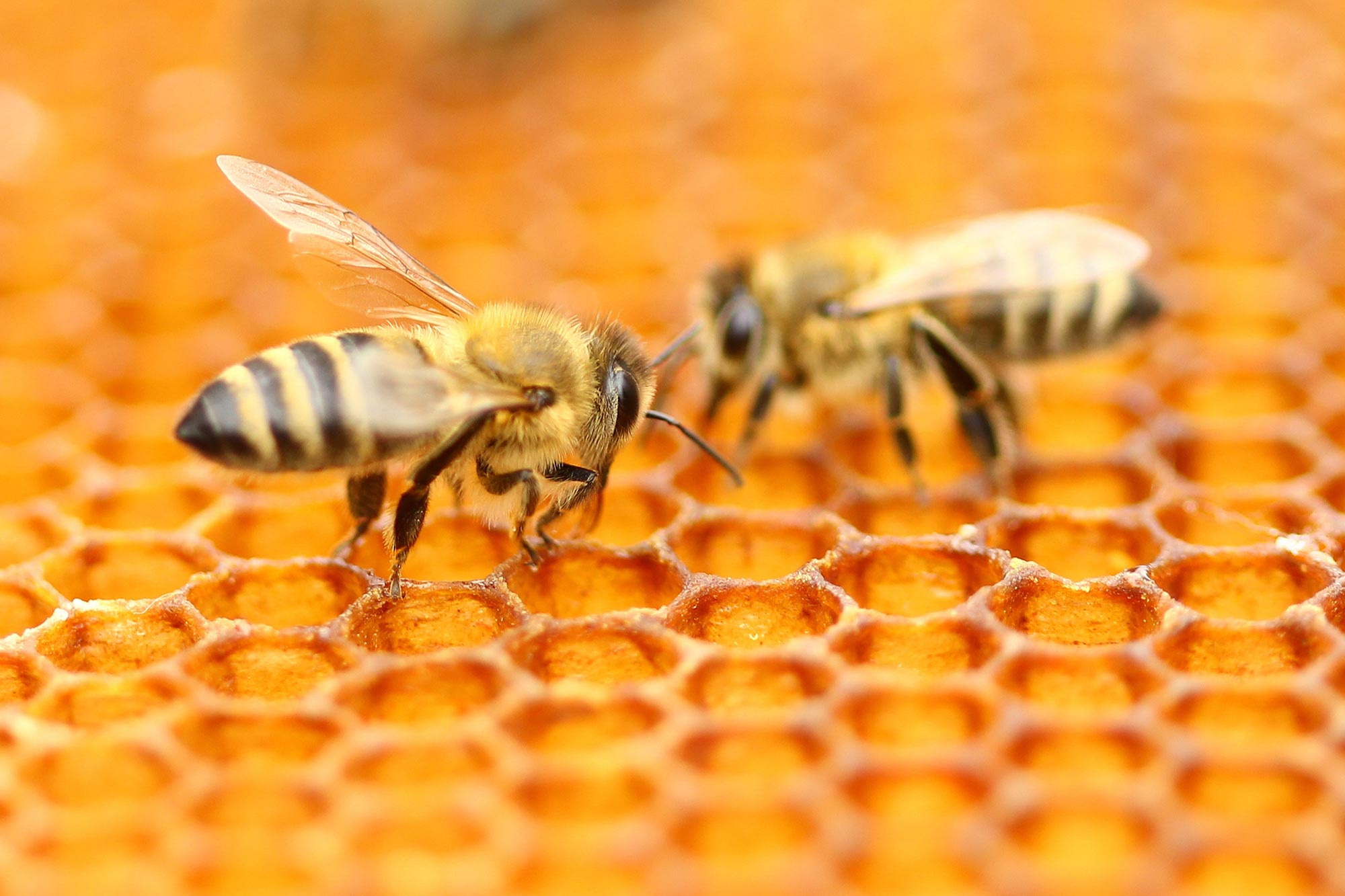
Scientists have discovered that honey beehives possess a surprisingly sophisticated system for protecting colonies against disease.
A honey bee colony relies on more than its workers to fight disease. The hive itself acts as a “living immune system,” using carefully arranged natural materials to create layers of antimicrobial protection around developing bees and stored food. New research shows that these defenses are closely linked to the surrounding landscape, with local vegetation influencing how effectively a colony can resist harmful microbes.
“Hives are not only homes for bees, but also act as their workplaces, restaurants, and hospitals, and now we can add immune systems to the list,” said lead researcher Dr. Kenya Fernandes.
How Beehives Build Layers of Protection
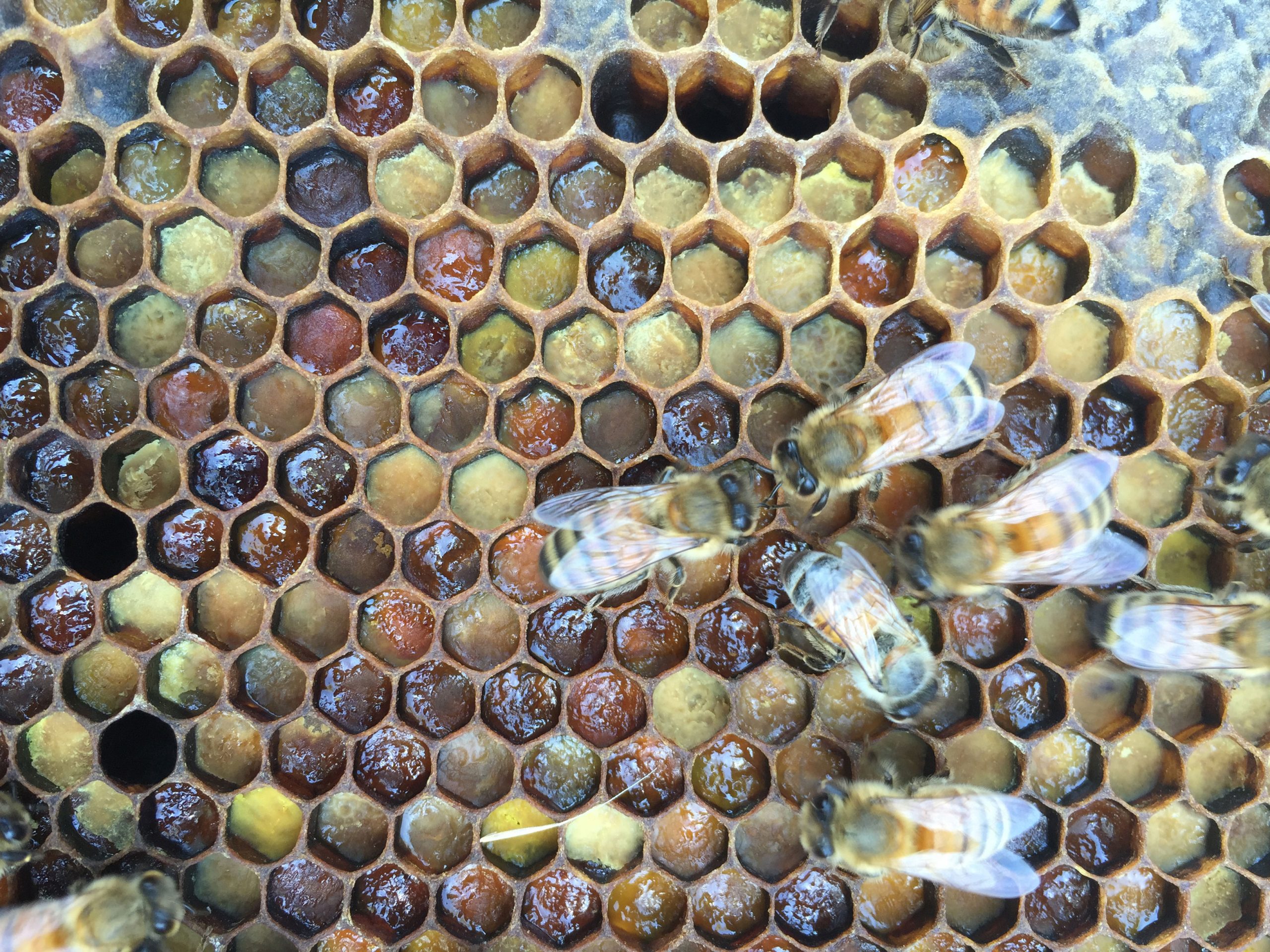
The strongest antimicrobial defenses were found in parts of the hive most exposed to the outside environment. Honey showed particularly powerful antimicrobial activity, while propolis, a sticky plant-derived substance bees use to seal cracks and openings, provided additional protection. Both materials contained biologically active compounds, including hydrogen peroxide in honey and plant chemicals called flavonoids in propolis.
Deeper inside the hive, where eggs and larvae develop, the defenses became more selective. Beeswax combs, stored pollen, and substances produced by the bees themselves helped suppress harmful bacteria and fungi while supporting beneficial microbial communities.
“As we travel closer to the hive center, the antimicrobial defenses became more targeted, with wax comb, stored pollen, and the bee’s own bodies helping to filter out harmful bacteria and fungi, while encouraging helpful species,” said Fernandes, a 2026 NSW Tall Young Poppy Award recipient.
“We already know honey, beeswax and propolis have antimicrobial properties independently. But what came as a surprise was how these materials were placed in the hive wasn’t random, but organized. The hive’s antimicrobial properties worked together to protect the eggs and larvae, as well as the fermented pollen the bees consume.”
Why the Surrounding Landscape Matters
For the study, published in ISME Communications, scientists examined 24 honey bee colonies across five apiaries at Tocal College in New South Wales, Australia. They analyzed the chemical composition and antimicrobial properties of honey, pollen, beeswax, and propolis. They also investigated microbes living in the bees’ digestive systems and tested the antimicrobial activity of their tissues and secretions.
The researchers found that many microorganisms in hive materials likely originated from floral nectar. Colonies located closer to native bushland also showed measurable differences in chemical defenses compared with those near agricultural land. These differences suggest that the plants available to foraging bees influence the protective properties of the materials they bring home.
“This shows healthy hives depend on and are influenced by healthy ecosystems. Land clearing and intensive farming could be quietly eroding the bees’ natural defenses. This builds a strong case for protecting diverse flowering habitats that support healthy hives,” said co-author Elizabeth Frost, Technical Specialist Bees at the NSW Department of Primary Industries and Regional Development (DPIRD).
Why Bacterial Diseases May Shape Hive Defenses
The hive’s protective system was generally more effective against bacteria than fungi. Researchers suggest this imbalance may reflect the greater threat posed by certain bacterial infections. One example is American foulbrood, a highly contagious disease that kills honeybee larvae and can destroy entire colonies.
“There are direct threats to bee populations such as the varroa mite, but many don’t realize the indirect threats: the shrinking of healthy ecosystems has a domino effect. Landscapes with diverse plant species can increase the bees’ chances of being resilient to disease.”
The findings also raise questions about other colony-building insects. Although the study focused on European honey bees, Fernandes hopes to investigate whether Australian native stingless bees have comparable nest-based defenses and whether similar systems occur in other social insects.
“I’d love to see if other social insects such as native stingless bees, ants, and termites, which also build incredibly complex homes, also have the same system,” Fernandes said.
Reference: “Spatially organized chemical defences shape microbial communities in honey bee colonies” by Kenya E Fernandes, Aviva Levina, Elizabeth A Frost and Dee A Carter, 19 October 2026, ISME Communications.
DOI: 10.1093/ismeco/ycag247
Funding: Australian Research Council, New South Wales Bushfire Industry Recovery Package Sector Development Grant
Never miss a breakthrough: Join the SciTechDaily newsletter.
Follow us on Google and Google News.