
World-first study shows episodic human events trigger animal movement.
For the first time, scientists have calculated the global impact of human activity on animal movement, revealing widespread impacts that threaten species survival and biodiversity.
While it has been shown that activities such as logging and urbanization can have big impacts on wildlife, the study by scientists at the University of Sydney and Deakin University in Australia shows that episodic events such as hunting, military activity and recreation can trigger even bigger changes in animal behavior.
“It is vital we understand the scale of impact that humans have on other animal species,” said lead author Dr. Tim Doherty, a wildlife ecologist at the University of Sydney. “The consequences of changed animal movement can be profound and lead to reduced animal fitness, lower chances of survival, reduced reproductive rates, genetic isolation, and even local extinction.”
The study is published today in Nature Ecology & Evolution.
Key findings include:
- Changes in animal movement in response to disturbance are common
- Episodic human activities such as hunting, aircraft use, military activity, and recreation can cause much greater increases in movement distances than habitat modification such as logging or agriculture
- Episodic disturbances force a 35 percent overall change in movement (increase and decrease); habitat modifications force a 12 percent change
- Increases in animal movement averaged 70 percent
- Decreases in animal movement averaged 37 percent
The study points to a global restructuring of animal movements caused by human disturbance, with potentially profound impacts on animal populations, species and ecosystem processes.
“Movement is critical to animal survival, but it can be disrupted by human disturbances,” Dr Doherty said. “Animals adopt behavioral mechanisms to adjust to human activity, such as by fleeing or avoiding humans, traveling further to find food or mates; or finding new shelter to avoid humans or predators.”
In some cases, human activity forced a reduction in animal movement, the study found, because of increased access to food in human locations, reduced ability to move from modified habitat or restrictions to movement by physical barriers.
“As well as the direct impact on animal species, there are knock-on effects,” Dr Doherty said. “Animal movement is linked to important ecological processes such as pollination, seed dispersal, and soil turnover, so disrupted animal movement can have negative impacts throughout ecosystems.”
Policy Implications
Dr. Doherty, who started this research at Deakin University before moving to the University of Sydney, has said the findings have important policy implications for managing animal biodiversity.
“In marine environments and landscapes relatively untouched by human impact, it is important that habitat modification is avoided,” said Dr Doherty from the School of Life and Environmental Sciences in the Faculty of Science.
“This could involve strengthening and supporting existing protected areas and securing more areas of wilderness for legal protection.”
The study says it might be easier to reduce the impacts of episodic disturbances by carefully managing certain activities, such as hunting and tourism, in wilderness areas, especially during animal breeding periods.
“Where habitat modification is unavoidable, we recommend that knowledge of animal movement behavior informs landscape design and management to ensure animal movement is secured,” Dr. Doherty said.
He said that reducing the negative impacts of human activity on animal movement will be vital for securing biodiversity in an increasingly human-dominated world.
“Further research is needed to better understand the impact of habitat modification on animal movement in rapidly developing parts of the world,” Dr Doherty said.
The research compiled and analyzed 208 separate studies on 167 animal species over 39 years to assess how human disturbance influences animal movement. In more than one-third of cases, animals were forced into changes that saw movement increase by more than 50 percent.
Species covered in the study range from the 0.05 gram sleepy orange butterfly to the more than 2000 kilogram great white shark. There were 37 bird species, 77 mammal species, 17 reptile species, 11 amphibian species, 13 fish species, and 12 arthropod (insect) species covered.
Reference: “Human disturbance causes widespread disruption of animal movement” by Tim S. Doherty, Graeme C. Hays and Don A. Driscoll, 1 February 2021, Nature Ecology & Evolution.
DOI: 10.1038/s41559-020-01380-1
Dr. Tim Doherty was funded by an Alfred Deakin Postdoctoral Research Fellowship from Deakin University and a Discovery Early Career Researcher Award from the Australian Research Council. The researchers acknowledge use of the University of Sydney’s high-performance computing cluster, Artemis.
The researchers acknowledge the Wurundjeri people of the Kulin nations as traditional custodians of the land on which the review was conducted.
Animal movement examples
Africa
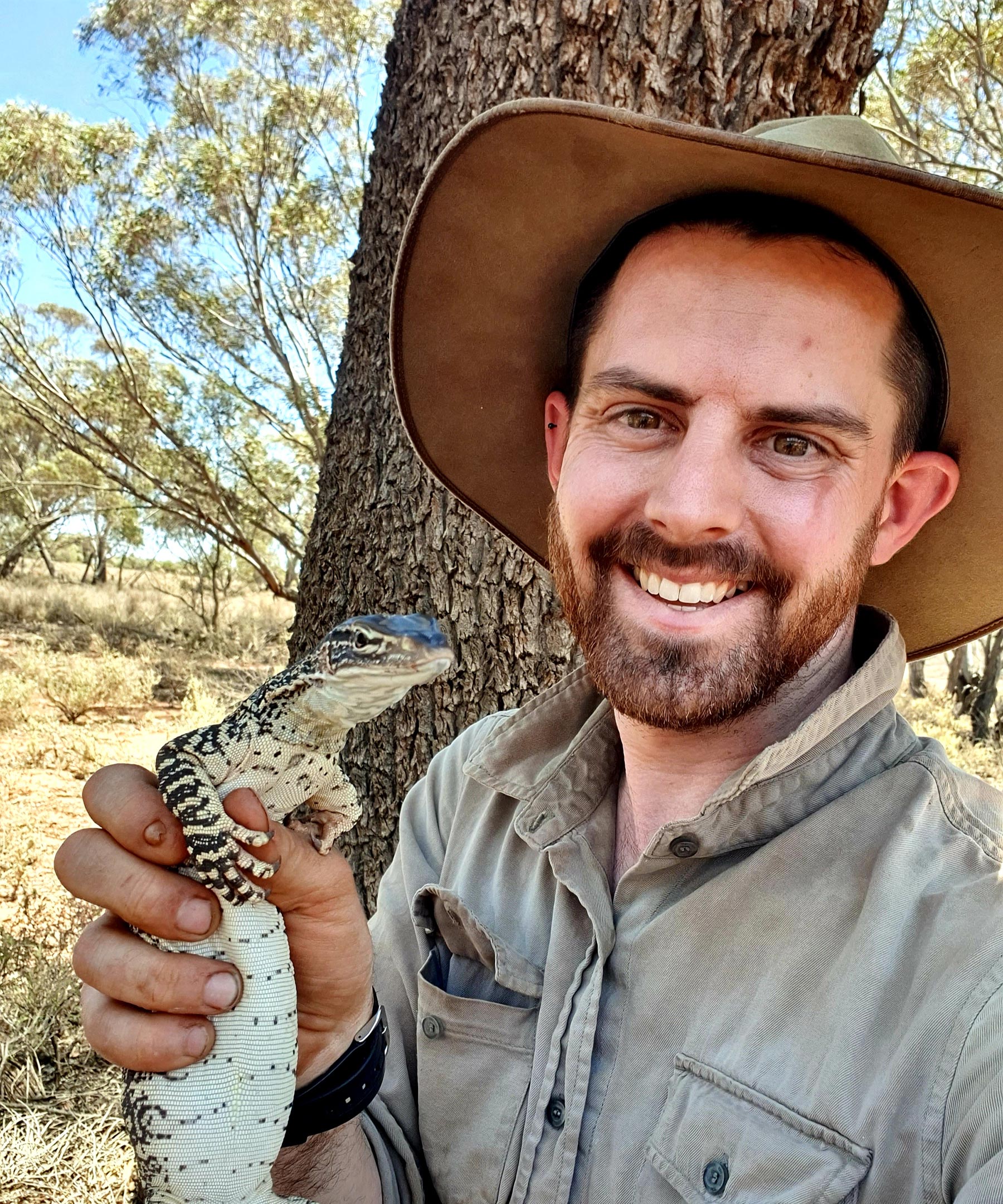
- Spotted sand lizard (Pedioplanis lineoocellata): in South Africa, lizards in overgrazed areas moved more frequently and over larger distances than those in less disturbed areas.
- Lemurs (Propithecus edwardsi): in Madagascar home range size of lemurs (Milne-Edwards’ Sifaka) was 56 percent higher in logged compared to unlogged forests.
Asia
- Golden jackal (Canis aureus): the home range size of jackals near villages was 68 percent smaller than those in more natural areas.
- Japanese squirrel (Sciurus lis): range size increased as the amount of suitable habitat in the landscape decreased.
Australia
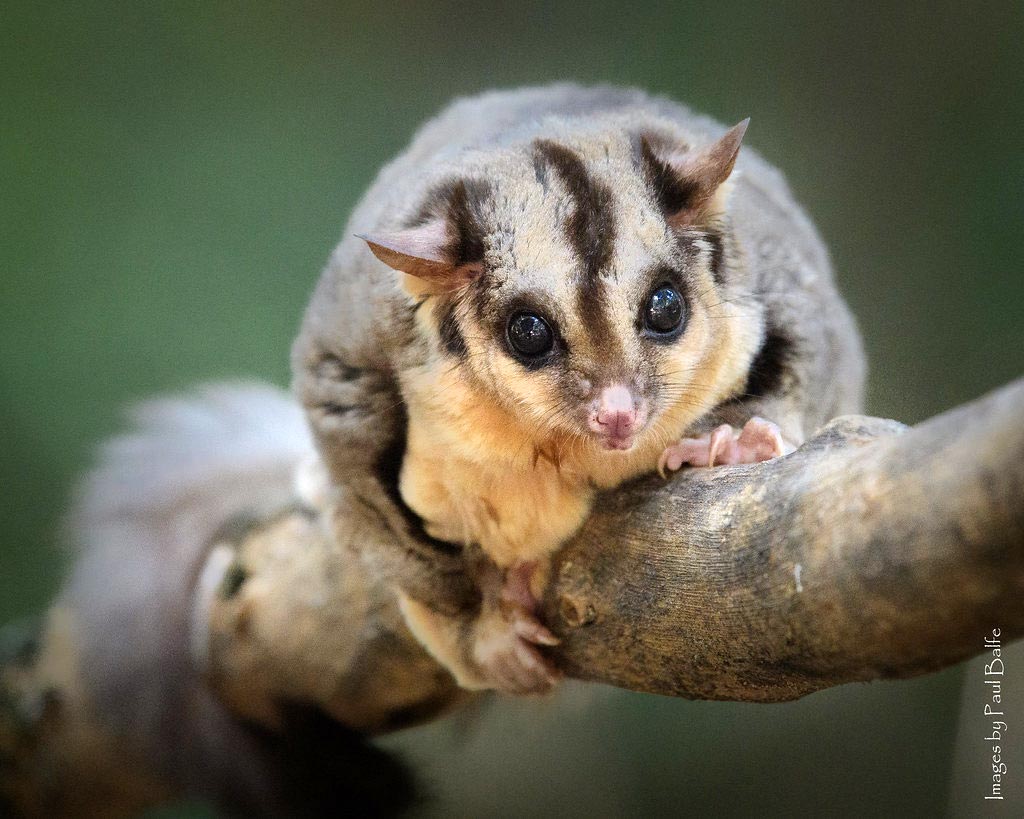
- Squirrel glider (Petaurus norfolcensis): in Brisbane gliders living near roads and residential areas had smaller home ranges than those living in the interior or remnant bushland.
- Mountain brushtail possum (Trichosurus cunninghami): in central Victoria daily movement distances of male possums were 57 percent higher in linear roadside remnants compared to large forest fragments.
- White-browed babbler (Pomatostomus superciliosus): in the WA Wheatbelt babblers living in linear remnants had smaller breeding ranges than animals living in larger patches.
Europe
- Moose (Alces alces): in Norway military maneuvers caused an average 84 percent increase in moose home ranges; exposure of moose in Sweden to back-country skiers caused a 33-fold increase in movement speeds in the first hour after disturbance.
- Badgers (Meles meles): in Britain, badgers increased their movements in response to a culling program.
North America USA
- Elk (Cervus canadensis): hunting caused increases in movement rates.
- Texas tortoises (Gopherus berlandieri): moved shorter distances and had smaller home ranges in response to livestock grazing.
- River otters (Lontra canadensis): had larger home ranges in areas polluted by an oil spill compared to those outside this area.
Canada
- Caribou (Rangifer tarandus), or reindeer: noise from petroleum exploration caused increases in movement speeds.
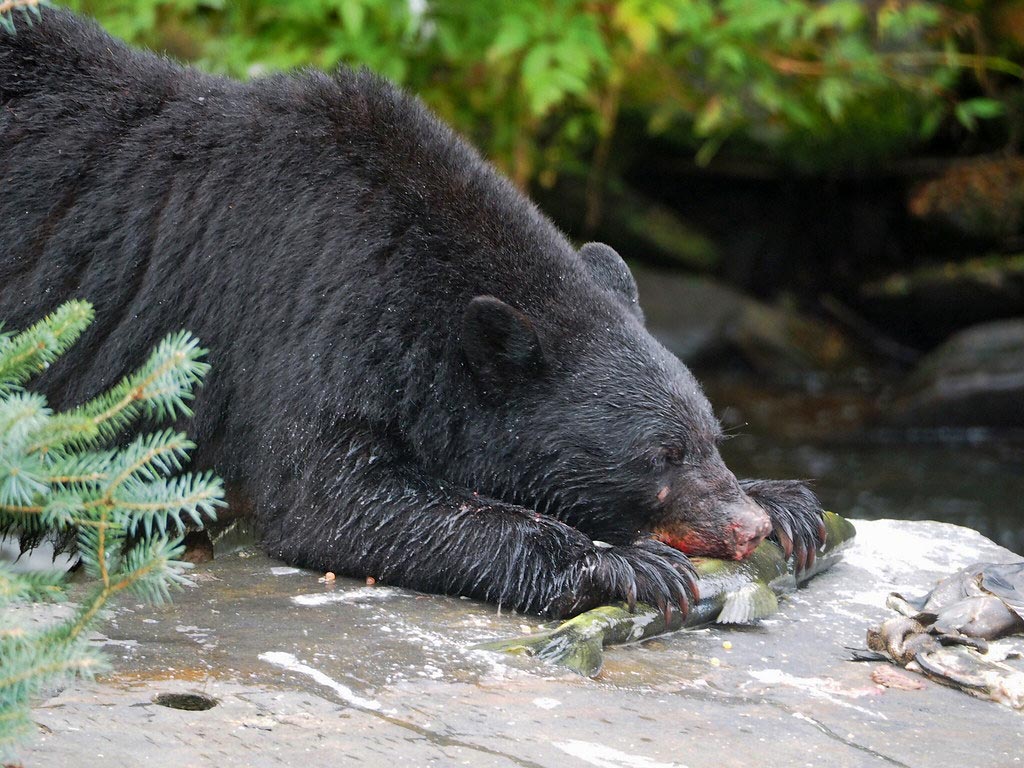
- Black bears (Ursus americanus): oil development in Alberta caused both increases and decreases in bear movement, depending on season and reproductive status.
South America
- Geoffroy’s cat (Leopardus geoffroyi): in Argentina daily movement rates of Geoffroy’s cats were higher on a livestock ranch compared to a national park.
- Northern bearded saki monkey (Chiropotes satanas chiropotes): in Brazil monkeys decreased their movement speeds and home ranges in response to forest fragmentation.
Never miss a breakthrough: Join the SciTechDaily newsletter.
Follow us on Google and Google News.
1 Comment
“The consequences of changed animal movement can be profound and lead to reduced animal fitness, lower chances of survival, reduced reproductive rates, genetic isolation and even local extinction.”
The other side of the coin is that movement may lead to improved animal fitness through genetic selection and exercise, increased genetic diversity by encountering mates that are genetically different from where they were born, and survival of the individuals and the species if they move away from humans. Then, there are animals such as the North American coyote that thrive in the changes made by urban humans!
The history of Earth and its biota is a history of change — even continents move and change their form, forcing the plant and animal life to adapt by moving and evolving. The tone of the article is that change is bad. It may be stressful for individual animals, but may actually be a driver of evolution.