

Conservationists see hopeful signs despite an overall decline in genetic diversity.
In the most extensive global analysis of genetic diversity to date, an international team of scientists has confirmed a worldwide decline in genetic diversity. However, their findings also highlight that conservation efforts are playing a crucial role in protecting species.
The groundbreaking study, published in the prestigious journal Nature, was led by Associate Professor Catherine Grueber from the School of Life and Environmental Sciences at the University of Sydney, in collaboration with researchers from the UK, Sweden, Poland, Spain, Greece, and China.
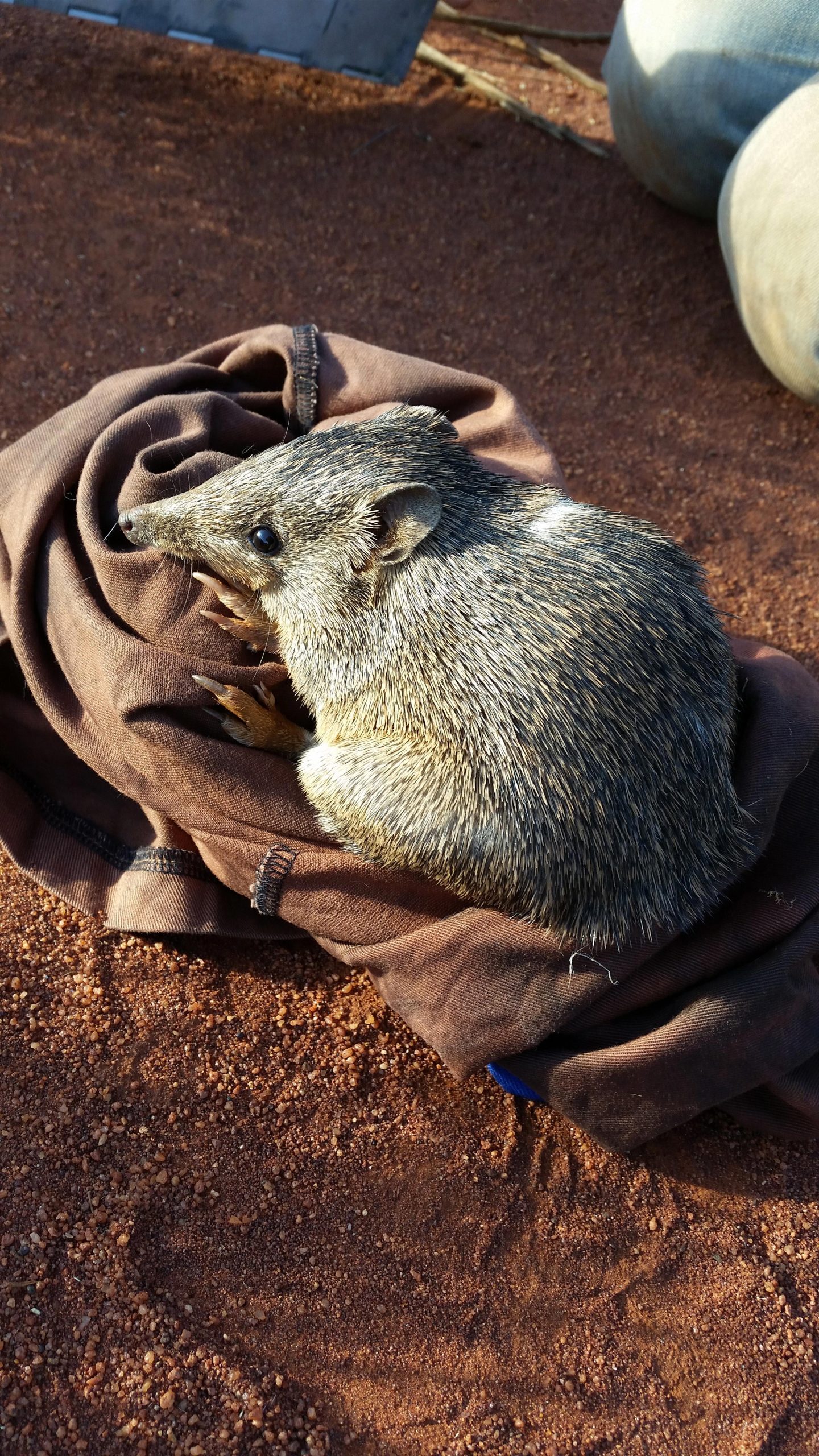
The data spans more than three decades (from 1985-2019) and looks at 628 species of animals, plants, and fungi across all terrestrial and most maritime realms on Earth.
Two-thirds of the populations analyzed are declining in genetic diversity but conservation efforts designed to improve environmental conditions, grow populations, and introduce new individuals for breeding – for example, habitat restoration and animal translocations – are sustaining, and in some cases increasing, genetic diversity in populations.
Hope Amidst Biodiversity Decline
Associate Professor Grueber said: “There is no getting around the fact that biodiversity is declining at unprecedented rates across the globe – but there are glimmers of hope. The action of conservationists is reversing these losses and helping to create genetically diverse populations that can better meet the challenges of the future.”
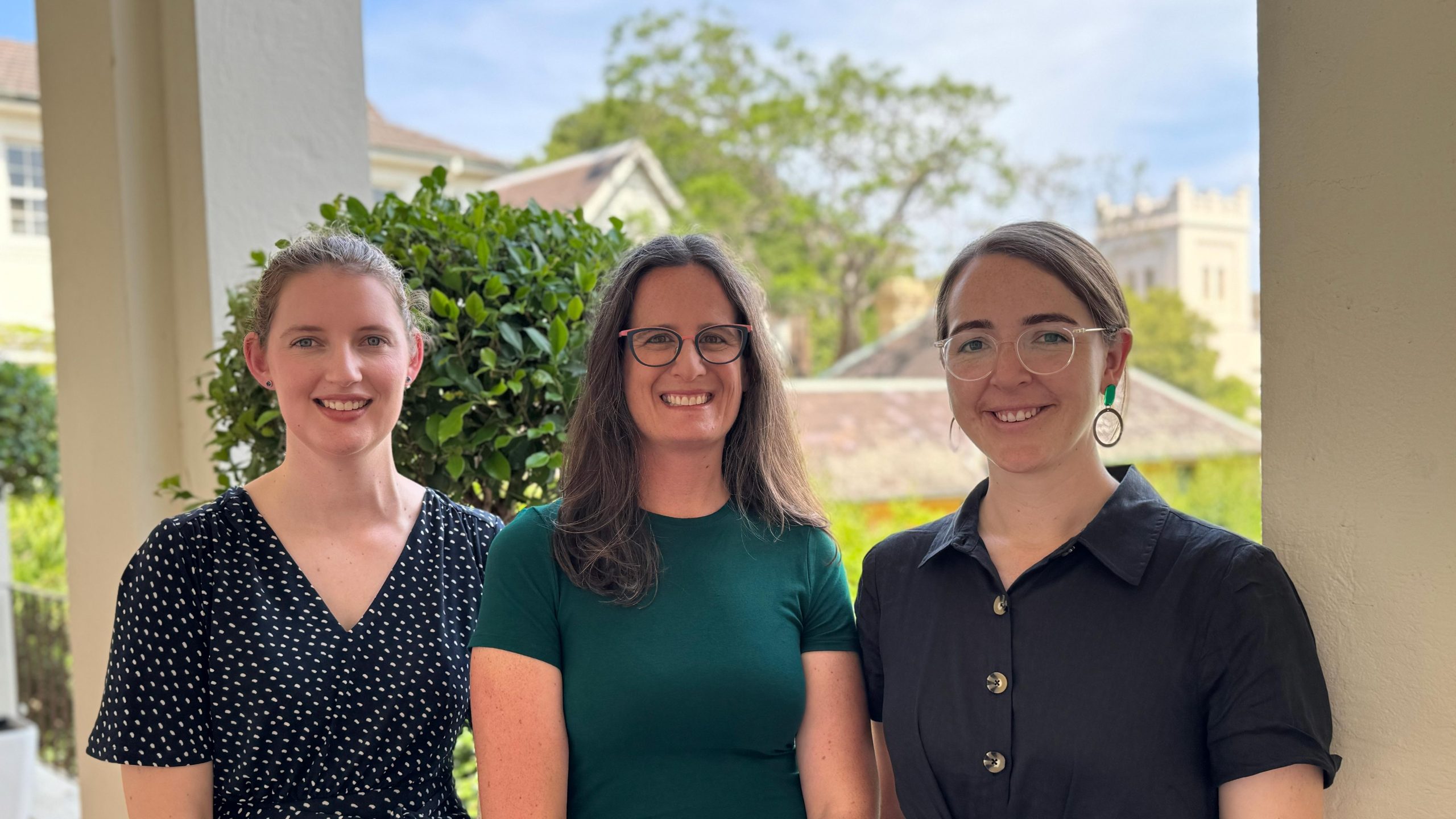
The team of scientists used innovations in genetic analysis to gain new insights from studies carried out decades ago. Creating a common measurement scale, they were able to make comparisons between studies, even when they used different methodologies and collected genetic data in different ways.
“This kind of comprehensive global study would not have been possible even 10 years ago,” Associate Professor Grueber said.
“Advances in genetics and statistics have given us new tools that mean we can continue to learn from studies long after they were carried out – a huge benefit when we are looking at populations and trends on a global scale.”
Conservation Strategies That Make a Difference
Conservation efforts that could improve or maintain genetic diversity include translocations – where animals are moved between populations to benefit a species or ecosystem – habitat restoration, population control – where some individuals are removed to improve conditions for those that remain – and controlling feral or pest species.
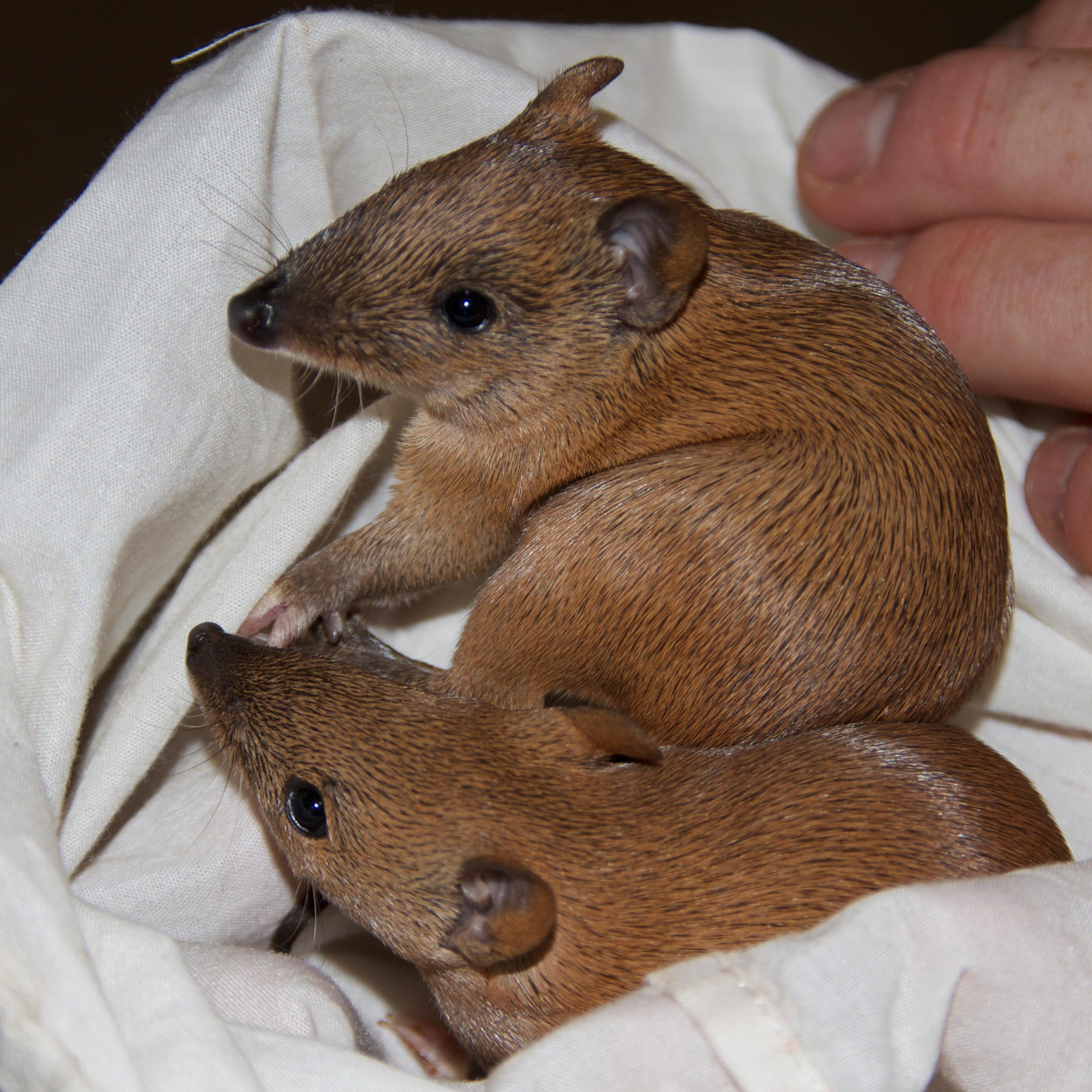
Successes include the reintroduction of the golden bandicoot into areas in Western Australia, the release of arctic foxes from captive breeding programs in Scandinavia, the translocation of greater prairie chickens into existing populations in North America, and the effective treatment of disease within black-tailed prairie dog populations, which has improved the health of colonies in north-central Montana in the US.
The authors hope the findings will encourage more conservation efforts and lead to increased protections for populations that are currently not managed.
Co-first author, Dr Robyn Shaw from the University of Canberra, said: “Despite successes, we can’t be complacent. Two-thirds of the populations analyzed are facing threats, and among these populations, less than half received any kind of conservation management. It’s vital that we learn from what is working so that we can protect species in the long term.”
Reference: “Global meta-analysis shows action is needed to halt genetic diversity loss” by Robyn E. Shaw, Katherine A. Farquharson, Michael W. Bruford, David J. Coates, Carole P. Elliott, Joachim Mergeay, Kym M. Ottewell, Gernot Segelbacher, Sean Hoban, Christina Hvilsom, Sílvia Pérez-Espona, Dainis Ruņģis, Filippos Aravanopoulos, Laura D. Bertola, Helena Cotrim, Karen Cox, Vlatka Cubric-Curik, Robert Ekblom, José A. Godoy, Maciej K. Konopiński, Linda Laikre, Isa-Rita M. Russo, Nevena Veličković, Philippine Vergeer, Carles Vilà, Vladimir Brajkovic, David L. Field, William P. Goodall-Copestake, Frank Hailer, Tara Hopley, Frank E. Zachos, Paulo C. Alves, Aleksandra Biedrzycka, Rachel M. Binks, Joukje Buiteveld, Elena Buzan, Margaret Byrne, Barton Huntley, Laura Iacolina, Naomi L. P. Keehnen, Peter Klinga, Alexander Kopatz, Sara Kurland, Jennifer A. Leonard, Chiara Manfrin, Alexis Marchesini, Melissa A. Millar, Pablo Orozco-terWengel, Jente Ottenburghs, Diana Posledovich, Peter B. Spencer, Nikolaos Tourvas, Tina Unuk Nahberger, Pim van Hooft, Rita Verbylaite, Cristiano Vernesi and Catherine E. Grueber, 29 January 2025, Nature.
DOI: 10.1038/s41586-024-08458-x
Funding was received, inter alia, from the University of Sydney Robinson Fellowship, the Australian Research Council, European Union, Croatian Science Foundation, Uppsala University, Institute of Nature Conservation, Polish Academy of Science, Swedish Research Council, Dutch Ministry of Agriculture, Slovenian Research and Innovation Agency, Italian Ministry of University and Research
Never miss a breakthrough: Join the SciTechDaily newsletter.
Follow us on Google and Google News.
5 Comments
Diversity is the only hedge against extinction – but we keep stirring things together, reducing long term viability. Oh well! I guess humans just aren’t as smart as they tell themselves.
assumptions. how many millions of years have we studied this? also, who defines what good is?
like the permian-triassic?
It is a completely scientific truth and fact the the human race is the leading cause of the overall massive loss in the genetic diversity of – Human Beings. The massive abortion rate in the US, which has led to the loss of sixty million mostly healthy, genetically viable human beings, followed by the rest of the Western world, and China et al, has contributed to the massive loss of genetic diversity of the species. Which is a sin, and big no-no both God, and to Darwin’s Evolution Theory of Evolution. And being a sin, and a big no-no to both, I’m sure that’s it’s being accounted for in the proponents of that activity in their DNA, at the very least, and are recorded as undesirable, and by either one, their actions will be accounted for.
Whether you agree with it or not, nature does control the growth of populations, including human populations. The control of last resort in any population is communicable disease, mass starvation, or both.