
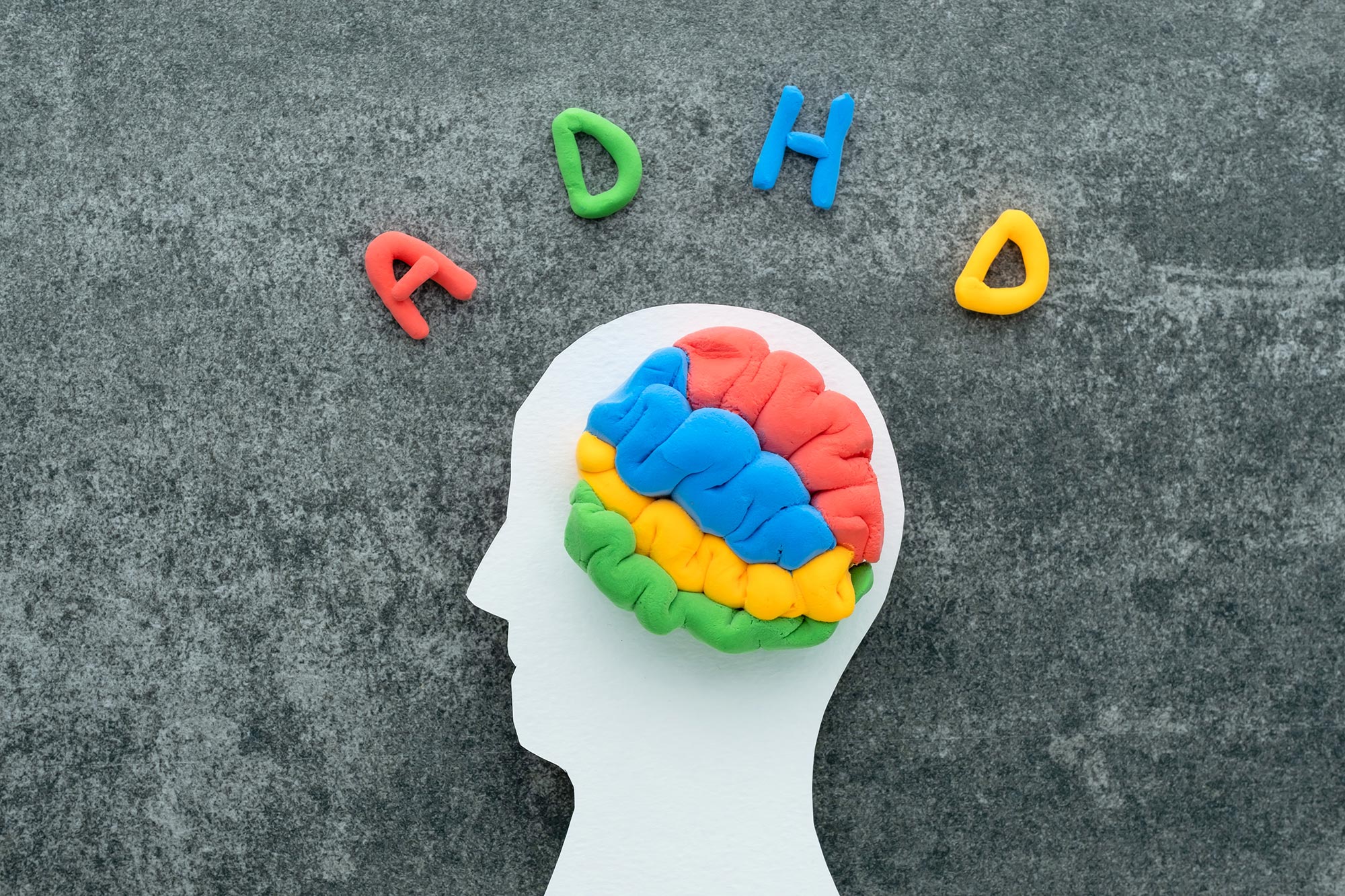
Scientists have identified three distinct patterns of brain activity in children with ADHD, anxiety, or both, revealing biological differences that traditional diagnoses often overlook.
Brain scans have uncovered three distinct patterns of disrupted brain activity in children with ADHD, anxiety, or both conditions. These patterns do not align neatly with conventional diagnoses, suggesting that children with similar symptoms may have different underlying neurological differences. Some patterns were even detectable years before children received a diagnosis.
The findings come from a Stanford Medicine-led study published October 16 in Nature Mental Health. By combining artificial intelligence with thousands of functional MRI (fMRI) scans, researchers identified three brain biotypes associated with different combinations of behavioral, emotional, and attention difficulties.
Why ADHD and Anxiety Are Difficult to Separate
ADHD and anxiety are among the most common childhood mental health disorders, and their symptoms frequently overlap. Clinicians typically diagnose these conditions using behavioral assessments and symptom checklists, but those categories may not fully capture the neurological differences between children.
“The high overlap between ADHD and anxiety actually hinders our understanding of the neurobiology underlying traditional, symptom-based diagnoses,” said Yu Zhang, PhD, assistant professor of psychiatry and behavioral sciences at Stanford Medicine and co-senior author of the study.
“We wanted to know whether the biological differences among children with ADHD and anxiety follow the diagnostic labels used in the clinic,” Zhang said.
The researchers found that children diagnosed with ADHD, anxiety, or both could belong to any of the three biotypes. Although particular brain patterns were more common with certain diagnoses, no biotype corresponded exclusively to a single disorder.
Three Brain Biotypes Linked to Different Symptoms
The researchers identified three neurological profiles, each associated with a distinctive combination of symptoms:
- Externalizing-disinhibited biotype: Children in this group showed greater impulsivity, hostility, defiance, aggression, and rule-breaking behavior. ADHD diagnoses were more common in this group.
- Internalizing-distressed biotype: This pattern was associated with guilt, tension, perfectionism, and symptoms of anxiety and depression. Children in this group were more likely to have an anxiety diagnosis.
- Mixed biotype: Children showed more attention problems, irritability, and self-injury. ADHD was also more frequently diagnosed in this group.
Each child belonged to just one biotype (each child was in only one biotype), but the three patterns appeared across all conventional diagnostic categories.
The model also identified two underlying dimensions of brain dysfunction: cognitive-behavioral dysfunction and emotion-attention dysfunction. Each involved different networks of brain regions, with the three biotypes reflecting distinct combinations of these disruptions. The findings suggest that differences in how brain circuits communicate may help explain variations in children’s symptoms.
How AI Revealed Hidden Patterns in Brain Scans
The researchers drew on the Adolescent Brain Cognitive Development study, a long-term investigation of more than 11,000 U.S. children who entered the project at ages 9 or 10.
Their analysis included 3,508 children initially diagnosed with ADHD, anxiety, or both; 693 children who received one or both diagnoses later; and 1,947 children who never received either diagnosis. The researchers also examined brain scans from 224 children with ADHD or anxiety in the separate Healthy Brain Network study to validate their findings.
An AI model examined functional connectivity, which describes how activity in different brain regions is coordinated. By combining these measurements with diagnostic records and cognitive and behavioral assessments, the researchers identified brain connectivity patterns associated with ADHD and anxiety that differed from those seen in children without either diagnosis.
Brain Differences Appeared Before Diagnosis
The researchers also detected the biotypes in initial brain scans from children who had not yet been diagnosed with ADHD or anxiety but developed one or both conditions later. This suggests that certain patterns of brain connectivity may emerge before symptoms lead to a clinical diagnosis.
“We think this means we may be able to use the biotypes as an early indicator of these conditions,” Zhang said. He identified the early appearance of these patterns as one of the study’s most surprising results.
“It could help us provide more timely intervention for these conditions and slow down or, we hope, even reverse their progression.”
The findings do not establish that brain scans can reliably predict which individual children will develop ADHD or anxiety. Further research is needed to determine whether the biotypes can serve as clinically useful biomarkers for early identification.
Could Brain Biotypes Lead to More Effective Treatments?
Beyond early detection, the researchers hope the findings could eventually help clinicians select treatments based on a child’s underlying brain activity rather than relying entirely on symptoms.
Current treatment decisions often involve considerable trial and error, particularly when medications do not produce the expected improvement.
“When doctors prescribe a new medication, it can take quite a long time, a couple of weeks or months, to see a response,” Zhang said. “If the first medication doesn’t work, they switch to a different one,” a process that can be costly, slow, and frustrating for families.
Zhang does not expect brain biotypes to replace existing diagnostic methods. Instead, he envisions using them alongside conventional assessments to provide a more detailed picture of each child’s condition.
Future clinical trials could investigate whether particular treatments improve the brain connectivity abnormalities associated with each biotype. Researchers could then examine whether these neurological patterns help predict treatment responses.
“We want to find biomarkers that can really inform the right treatment at the right time,” Zhang said.
Reference: “Deep learning of brain–behavior dimensions identifies transdiagnostic biotypes in youth with ADHD and anxiety disorders” by Yong Jiao, Xiaoyu Tong, Gregory A. Fonzo, Ian H. Gotlib, Kilian M. Pohl, Theodore D. Satterthwaite, Jing Jiang and Yu Zhang, 16 October 2026, Nature Mental Health.
DOI: 10.1038/s44220-026-00740-3
The research was supported by grants from the National Institutes of Health (grant numbers R01MH129694, R01MH136197, R01MH145082, R01MH140425, U24AA021697, R01DA057567, R37MH101495 and R01MH132784), the Eagles Autism Foundation, the Stanford Knight Initiative for Brain Resilience, the Rosenkranz Foundation, the Brain and Behavior Research Foundation, and the Effie and Wofford Cain Foundation.
Never miss a breakthrough: Join the SciTechDaily newsletter.
Follow us on Google and Google News.