
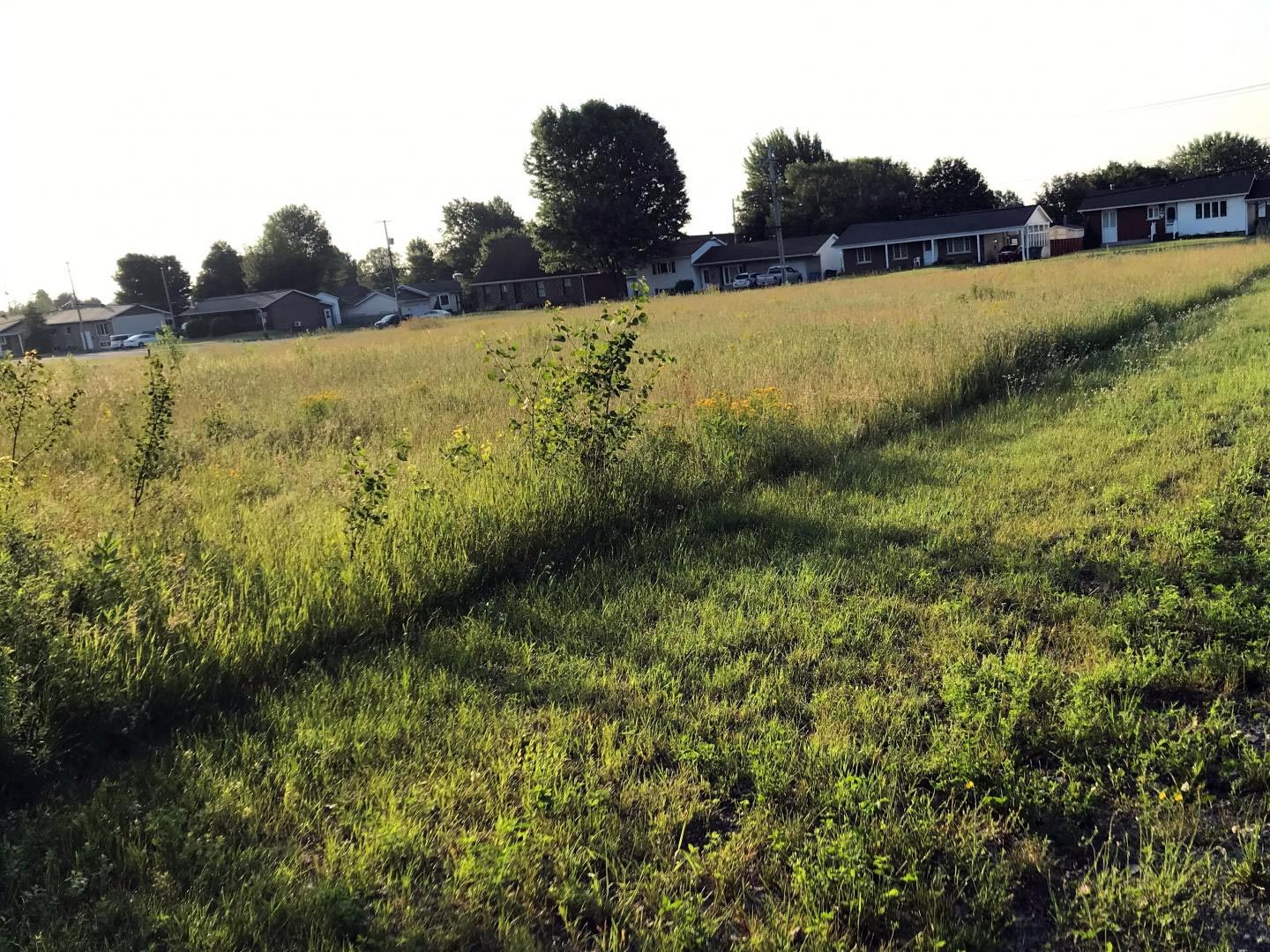
The researchers combined data across North America and Europe using a meta-analysis, a way of aggregating results from multiple studies to increase statistical strength. They found strong evidence that increased mowing intensity of urban lawns — which included parks, roundabouts, and road verges — had negative ecological effects, particularly on invertebrate and plant diversity. Pest species, on the other hand, benefitted from intense lawn management.
“Even a modest reduction in lawn mowing frequency can bring a host of environmental benefits: increased pollinators, increased plant diversity, and reduced greenhouse gas emissions. At the same time, a longer, healthier lawn makes it more resistant to pests, weeds, and drought events,” said Dr. Chris Watson, lead author of the study.
The issue with regular lawn mowing is that it favors grasses, which grow from the base of the plant, and low-growing species like dandelion and clover. Other species that have their growing tips or flowering stems regularly removed by mowing can’t compete. Allowing plant diversity in urban lawns to increase has the knock-on effect of increasing the diversity of other organisms such as pollinators and herbivores.
“Even a modest reduction in lawn mowing frequency can bring a host of environmental benefits: increased pollinators, increased plant diversity and reduced greenhouse gas emissions. At the same time, a longer, healthier lawn makes it more resistant to pests, weeds, and drought events.” — Dr. Chris Watson
The effect of intense lawn mowing on pest species was the least studied aspect of the research the authors looked at, featuring in seven datasets across three studies in Eastern Canada. However, in all of these studies they found that intensive lawn mowing resulted in an increase in the abundance of weeds and lawn pests.
“These findings support a lot of research done by the turfgrass industry that shows that the more disturbance a lawn gets, the higher the likelihood of pest and weed invasion,” said Dr. Chris Watson.
Common ragweed, which featured prominently in the studies, is one of the most allergenic plant species found in North America and Europe. Previous studies have estimated the cost of ragweed-based allergies to be CAD$155 million per year in Quebec and €133 million a year in Austria and Bavaria. Having a more rapid reproduction than other species, ragweed is able to colonize disturbances caused by intense mowing.
Chris Watson explained that “Certain lawn invaders, such as ragweed, can be decreased simply through reducing lawn mowing frequency. This will decrease the pollen load in the air and reduce the severity of hayfever symptoms, number of people affected, and medical costs.”
To understand the economic costs of intensely mowed lawns the researchers used a case study of the city of Trois-Rivières, Quebec, Canada. By using data on mowing contractor costs they estimated a 36% reduction of public maintenance costs when mowing frequency was reduced from 15 to 10 times per year in high-use lawn areas and 3 times to once a year in low-use areas.
“If citizens would like to see urban greenspace improvement, they have the ability to influence how governments go about this — especially if it does not cost more money!” said Dr. Chris Watson. “Likewise, complaints about long, messy lawns could quickly reduce the appetite of local government to trial these approaches — so it’s important to have some community information and education as well. We need to shake the outdated social stigma that comes from having a lawn a few centimeters longer than your neighbor’s”
The potential for long grass to harbor ticks and rodents is a common concern. However, Dr. Chris Watson said there is little evidence to support this. “The presence of ticks is more strongly related to host populations, like deer, than the type of vegetation. With respect to small mammals, some species prefer longer grass’ whereas others do not. The next phase of our research aims to explore these negative perceptions in more detail.”
For their meta-analysis the researchers identified studies in an urban setting that measured mowing intensity (either height or frequency) as an experimental factor. On top of the 14 studies they identified, which took place between 2004 and 2019, they also included three previously unpublished studies from their research group. A separate case study was used to estimate the economic costs of high-intensity lawn management.
On the reasons for conducting a meta-analysis, Chris Watson explained that: “Often, ecological studies are done over only one or two years and can be heavily influenced by the weather conditions during the period of study. A meta-analysis looks beyond individual years or locations to provide a broad overview of a research subject.”
The number of data sources from previous studies available to the authors ultimately limited the analysis. “In this case, all studies came from North America and Europe so there is a big opportunity in seeing if the trends we found are confirmed elsewhere. Likewise, all the studies used to explore pest species were from Eastern Canada, so it is important to do more research in other places before applying these results generally,” said Dr. Chris Watson.
When looking at the economic impacts of intense lawn management the authors were only able to incorporate contractor costs which included workers’ salaries, equipment operation, and fuel. They were unable to include the costs of pesticides and fertilizer or factor in indirect economic benefits from improved ecosystem services like pollination.
The researchers are now looking to expand the research and begin applying the findings to improve lawns. “We plan to conduct some larger trials in partnership with the City of Trois-Rivieres that expand the suite of pests and weeks that mowing may impact. At the same time we would like to investigate some of the negative perceptions of less-managed lawns and start working on some community outreach to promote low-intensity mowing for healthy lawns,” said Dr. Chris Watson.
Reference: “Ecological and economic benefits of low‐intensity urban lawn management” by Christopher J. Watson, Léonie Carignan‐Guillemette, Caroline Turcotte, Vincent Maire and Raphaël Proulx, 19 December 2019, Journal of Applied Ecology.
DOI: 10.1111/1365-2664.13542
Never miss a breakthrough: Join the SciTechDaily newsletter.
Follow us on Google and Google News.