
Close Menu
    Facebook X (Twitter) Instagram
    SciTechDaily
    • Biology
    • Chemistry
    • Earth
    • Health
    • Physics
    • Science
    • Space
    • Technology
    Facebook X (Twitter) Pinterest YouTube RSS
    SciTechDaily
    Home»Science»A Game Changer in Gut Health Research: Engineers Unveil Advanced Device for Microbiome Sampling
    Science

    A Game Changer in Gut Health Research: Engineers Unveil Advanced Device for Microbiome Sampling

    By Tufts UniversityAugust 15, 2024No Comments3 Mins Read
    Facebook Twitter Pinterest Telegram LinkedIn WhatsApp Email Reddit
    Share
    Facebook Twitter LinkedIn Pinterest Telegram Email Reddit
    Microbiome Sampling Pill Devices
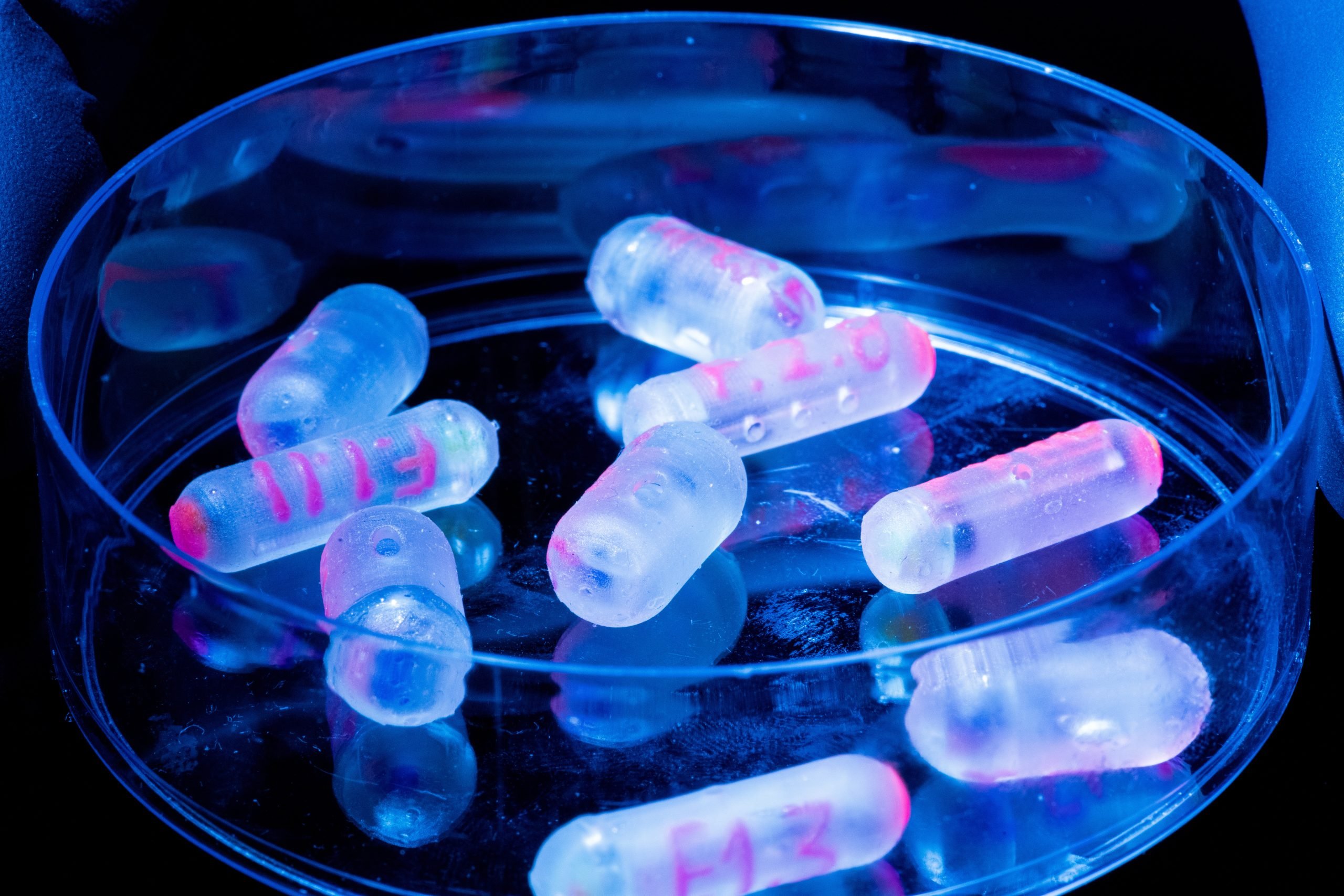
    The pill devices have a soft elastic exterior with sidewall inlets, which are triggered to open by pH levels in the small intestine environment. Elastic microvalves close the inlets once the intestinal microbiome content has been collected. Credit: Sameer Sonkusale, Tufts University Nano Lab

    Steps are being taken toward human clinical trials for the precision measurement of the intestinal microbiome.

    Researchers at Tufts University School of Engineering have made remarkable strides in developing a small, pill-sized device that can be swallowed to traverse the gastrointestinal tract, providing a comprehensive sampling of the microorganisms present within it.

    This device has the potential to advance research on the relationship between resident bacteria and a wide range of health conditions. It could also serve as a diagnostic tool for adjusting the microbiome or administering drugs to treat those conditions.

    The device has completed preclinical characterization – as presented in the journal Device – paving the way for upcoming human clinical trials. It is characterized by a 3D-printed soft elastic exterior with sidewall inlets that open in response to the changing acidity as the pill reaches the small intestine. The pill uses elastic microvalves with swellable polyacrylate beads that close the inlets once intestinal content has been collected.

    The technology was developed at Tufts Nano Lab by a team led by Professor Sameer Sonkusale, along with post-doctoral researcher Ruben Del-Rio-Ruiz who is lead author on the preclinical study. A second team of researchers led by Professor Giovanni Widmer at the Cummings School of Veterinary Medicine at Tufts University assisted by PhD candidate Debora Silva, performed the tests in animals and analyzed the samples collected by the pill.

    Technological Enhancements and Benefits

    Improvements over previous versions of the pill include using a soft elastic exterior rather than a rigid shell, to make it easier to ingest, and significantly improved control over localized sampling of the microbiome in the small intestine.

    Current techniques to study the intestinal microbiome primarily rely on fecal matter, This technology represents a significant advance in understanding the function of the thousands of microbial species populating the entire length of the gastrointestinal tract and their effects on health.

    Reference: “Soft autonomous ingestible device for sampling the small-intestinal microbiome” by Ruben Del-Rio-Ruiz, Debora Regina Romualdo da Silva, Hasika Suresh, Hannah Creasey, Cihan Asci, Danilo M. dos Santos, Atul Sharma, Giovanni Widmer and Sameer Sonkusale, 20 June 2024, Device.
    DOI: 10.1016/j.device.2024.100406

    The study was funded by the National Institutes of Health.

    Never miss a breakthrough: Join the SciTechDaily newsletter.
    Follow us on Google and Google News.

    Biomedical Engineering Microbiome Tufts University
    Share. Facebook Twitter Pinterest LinkedIn Email Reddit

    Related Articles

    New Quantum-Enhanced Microscopy Unveils Cellular Force Secrets

    Chlorinated Drinking Water Doesn’t Disrupt Healthy Gut Microbiomes in Young Children

    Can the US Supply Enough Natural Gas To Neutralize Russia’s Energy Leverage Over Europe?

    Good Bacteria Can Reduce Chemotherapy Side Effects – Clean Up Toxins in the Body

    New AI-Inspired Theory of Dreaming: Our Dreams’ Weirdness Might Be Why We Have Them

    Xenobots 2.0: Scientists Create the Next Generation of Living Robots

    Decellularized Spinach Serves as an Edible Platform for Growing Artificial Meat

    How to Speed Up Muscle Repair – Bioengineers Discover Factors to Trigger for “Rapid Growth”

    Our Gut-Brain Connection Revealed by “Organs-on-a-Chip” System

    Leave A Reply Cancel Reply

    • Facebook
    • Twitter
    • Pinterest
    • YouTube

    Don't Miss a Discovery

    Subscribe for the Latest in Science & Tech!

    Trending News

    Breakthrough Parkinson’s Drug Targets Disease at Its Genetic Roots

    Just 4 Weeks of Simple Diet Changes Reversed Signs of Aging in Older Adults

    Scientists May Have Finally Solved Why Humans Are Right-Handed

    NASA’s Hubble Accidentally Witnesses a Comet Shattering in Space

    Researchers Discover the Body’s Hidden “Off Switch” for Inflammation

    Scientists Discover Metformin Doesn’t Work the Way We Thought

    Tea or Coffee? Your Daily Choice Could Affect Osteoporosis Risk

    Vitamin C May Fight Cancer in a Surprising Way

    Follow SciTechDaily
    • Facebook
    • Twitter
    • YouTube
    • Pinterest
    • Newsletter
    • RSS
    SciTech News
    • Biology News
    • Chemistry News
    • Earth News
    • Health News
    • Physics News
    • Science News
    • Space News
    • Technology News
    Recent Posts
    • New Research Uncovers Lithium’s Surprising Effect on Alzheimer’s
    • New Anti-Clotting Medication Prevents Strokes Without the Usual Bleeding Risk
    • Simple Fiber Supplement Cuts Knee Arthritis Pain in Just 6 Weeks, Study Finds
    • Scientists Discover the Secret Bacteria Behind Artisan Cheeses – and They May Be Good for Your Health
    • Banned Antibiotic Discovered in Fish Raises Food Safety Concerns
    Copyright © 1998 - 2026 SciTechDaily. All Rights Reserved.
    • Science News
    • About
    • Contact
    • Editorial Board
    • Privacy Policy
    • Terms of Use

    Type above and press Enter to search. Press Esc to cancel.