
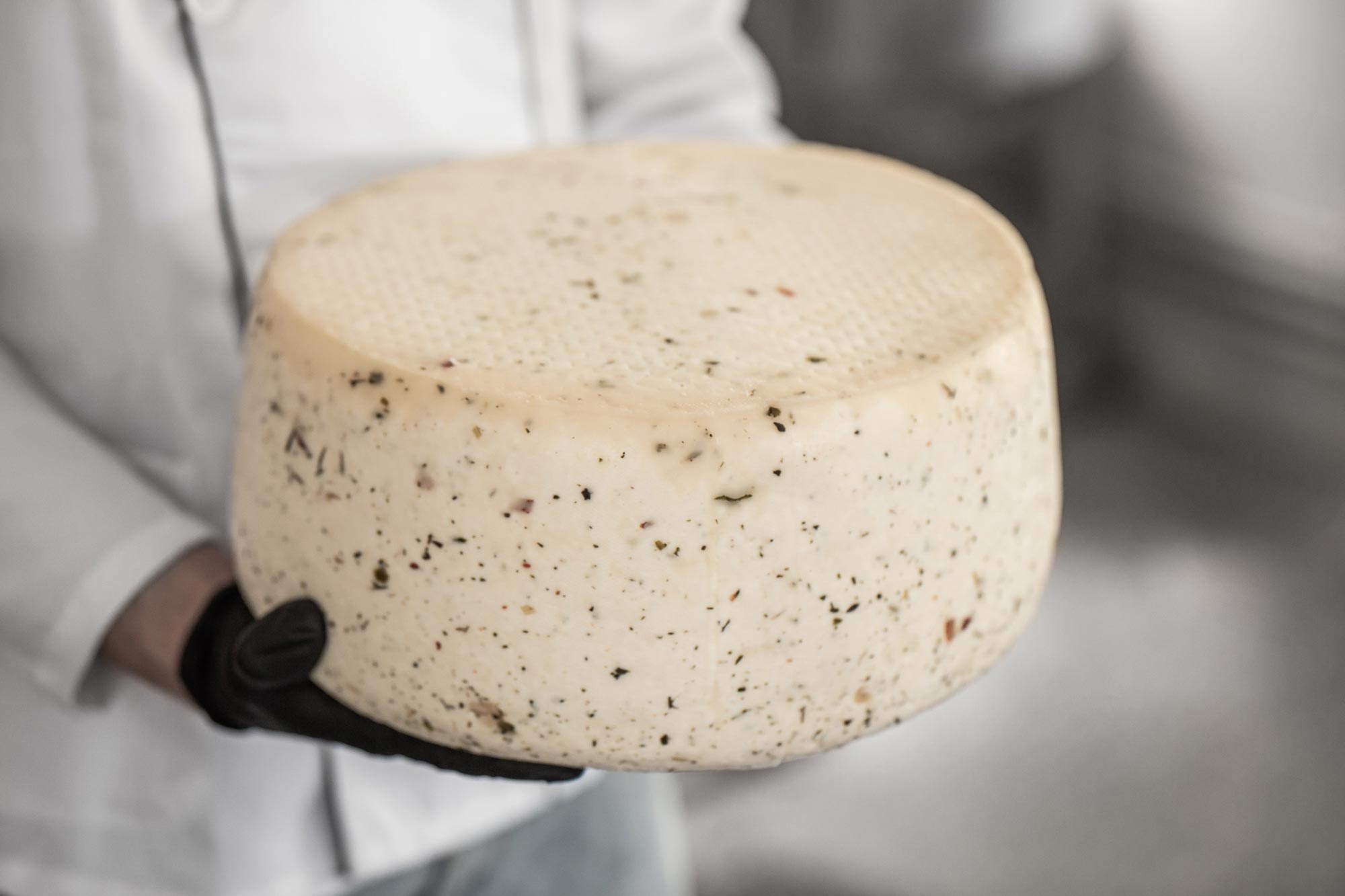
Scientists have traced the changing microbial communities inside three artisan British cheeses, revealing how bacteria shape their flavor, texture, and potential benefits for gut health.
Cheese can seem like a simple pleasure, but every bite is the result of a microscopic transformation. As milk becomes cheese, bacteria and fungi break down sugars, proteins, and fats, creating the flavors, aromas, and textures that make each variety distinct. New research suggests that some of these tiny cheesemakers may do more than shape flavor. They could also help explain why certain traditional cheeses may interact with the gut in potentially beneficial ways.
Scientists at the University of Reading studied three artisan cheeses made by Nettlebed Creamery in Oxfordshire to see how their microbial life changed as they matured. The team tracked both the bacterial communities and the chemical makeup of the cheeses during aging, revealing how fermentation helps build a cheese’s character from the inside out.
Published in ACS Food Science & Technology, the study examined a soft white-rind cheese aged for just over a week, a washed-rind semi-soft cheese matured over several weeks, and a semi-hard cheese aged in hay for about nine months.
Lead author Sabrina Longley, a PhD researcher in the Department of Food and Nutritional Sciences, said: “Good cheese is delicious, and the artisan varieties we studied are full of microbial life that could have benefits to your gut health.
“The aging process creates more complex aromas and textures through the work of an army of helpful bacteria. The matrix of fats and proteins in the cheese may also help protect the bacteria as they travel along the digestive tract, making cheese an excellent vehicle for delivery of probiotics to the gut.”
Beneficial Bacteria in Every Cheese
Researchers collected samples at several points during cheese maturation and analyzed their bacterial communities and chemical makeup.
Each cheese contained bacteria with recognized probiotic potential, which may help support beneficial bacteria in the gut. Streptococcus thermophilus, also used as a yogurt starter, remained dominant in the semi-soft and harder cheeses through maturity. Lactococcus lactis was found in all three cheeses throughout the process.
The washed-rind and hay-aged cheeses also contained Propionibacterium freudenreichii, which produces propionic acid, a compound linked to anti-inflammatory effects, reduced cholesterol synthesis, and appetite regulation.
People who eat cheese rind may have another reason to enjoy it. The white mold Penicillium candidum, used to create the rind of the soft cheese in the study, produces chitin, a dietary fiber that may act as a prebiotic. Prebiotics feed beneficial gut bacteria and can help encourage positive changes in the gut microbiota.
Hay Aging and Microbial Diversity
Aging the harder cheese in hay appeared to increase its microbial diversity as it matured. By the end of the process, the mature cheese contained nearly four times as many bacterial species as it had earlier in maturation.
The researchers also found that lactose, the sugar in cow’s milk that some people have difficulty digesting, was almost entirely gone from all three cheeses by the time they reached maturity. Lactic acid bacteria had broken it down during fermentation.
Longley is also a cheesemaker at the independent Nettlebed Creamery in Oxfordshire, which partly funded the study. She is completing her PhD part-time with support from a University of Reading regional bursary, a program that helps people from the local area pursue research studies.
The authors say more research (dietary intervention trials) is needed to determine how these bacteria behave in the gut after the cheese is eaten, how they affect the gut microbiota, and what their broader effects may be on the human body.
Reference: “Microbial and Biochemical Characterization of Three Artisan British Cheeses throughout the Maturation Process” by Sabrina Longley, Glenn Gibson and Anisha Wijeyesekera, 1 May 2026, ACS Food Science & Technology.
DOI: 10.1021/acsfoodscitech.5c01243
Never miss a breakthrough: Join the SciTechDaily newsletter.
Follow us on Google and Google News.