
Scientists from around the world have joined forces to uncover a remarkably detailed picture of how people lived in Arabia 125,000 years ago.
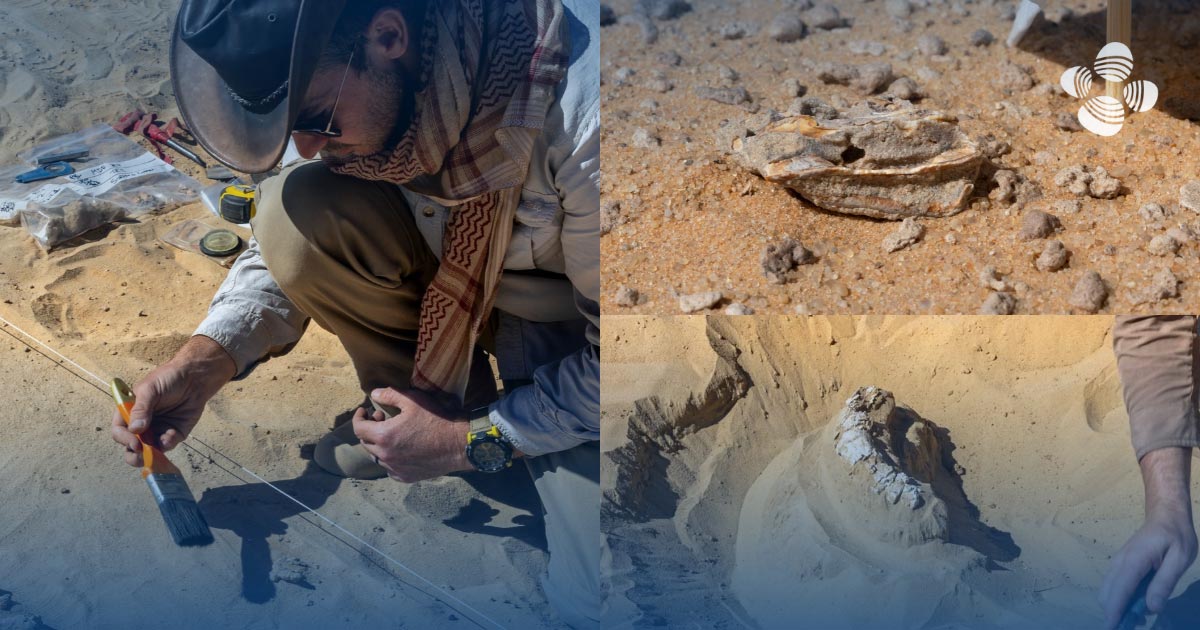
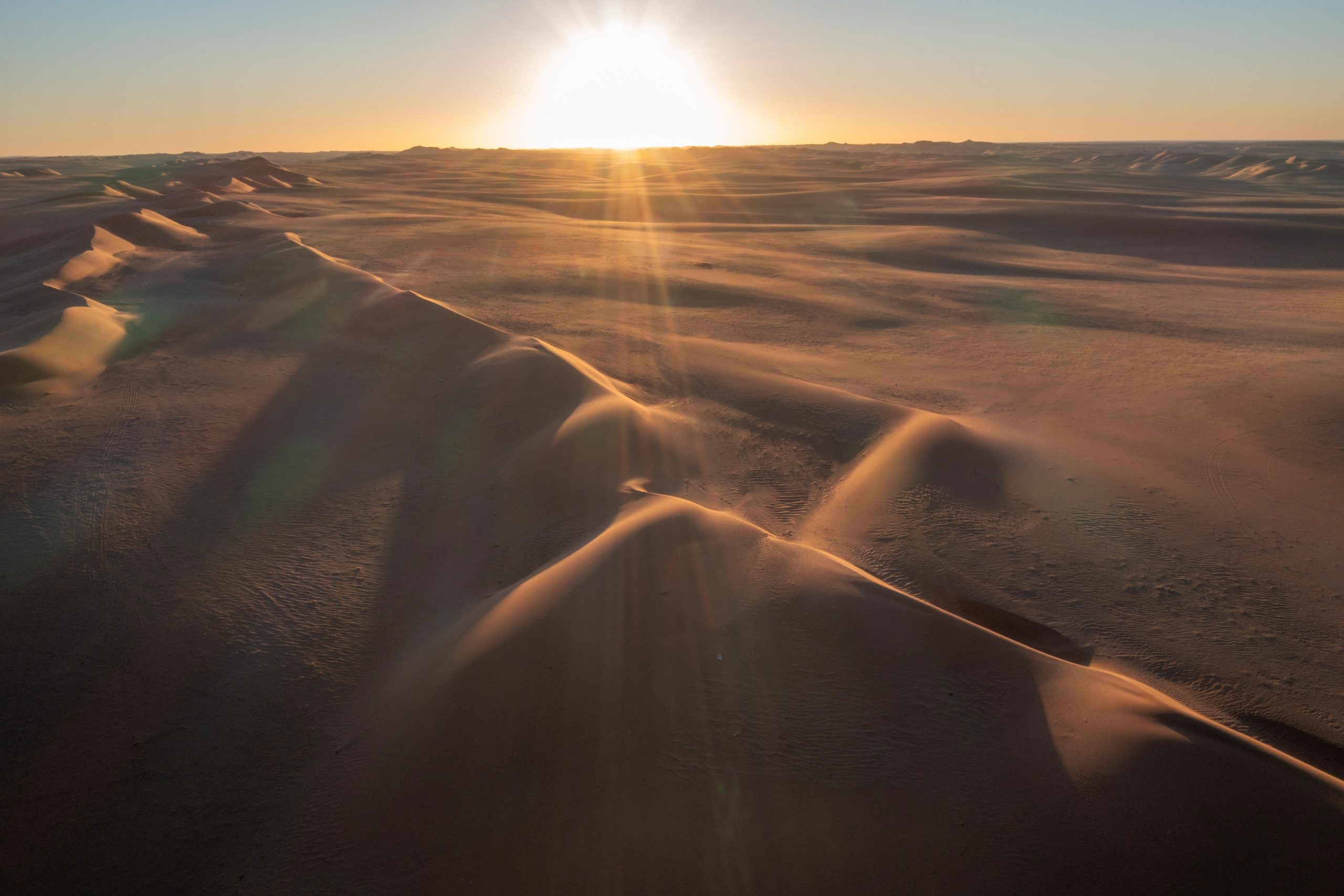
Around 125,000 years ago, the desert landscape of southern Saudi Arabia looked very different. A vast freshwater lake surrounded by vegetation and open grasslands provided an environment where early humans could live, hunt, and gather resources. Archaeologists have now uncovered an unusually detailed record of life along its shores, offering a glimpse into a period known as Green Arabia.
The discoveries come from Uruq al-Julaybah, an ancient lakeside site in Mundafan, within Saudi Arabia’s Empty Quarter. Published in Science, the study was jointly led by the Saudi Heritage Commission, King Abdullah University of Science and Technology (KAUST), and Griffith University, with contributions from several other international institutions. Specialists in geology, archaeology, botany, and micropaleontology combined their expertise to reconstruct the environment and human activities during the last Interglacial period, a warm, humid phase around 125,000 years ago.
A lake once supported hippos and buffaloes
Using satellite terrain modeling, researchers mapped an ancient lake covering approximately 340 square kilometers (131 square miles), with a maximum depth of 29 meters (95 feet). Sediments, landforms, and aquatic remains indicated that it was a relatively stable freshwater body surrounded by vegetation and grasslands.
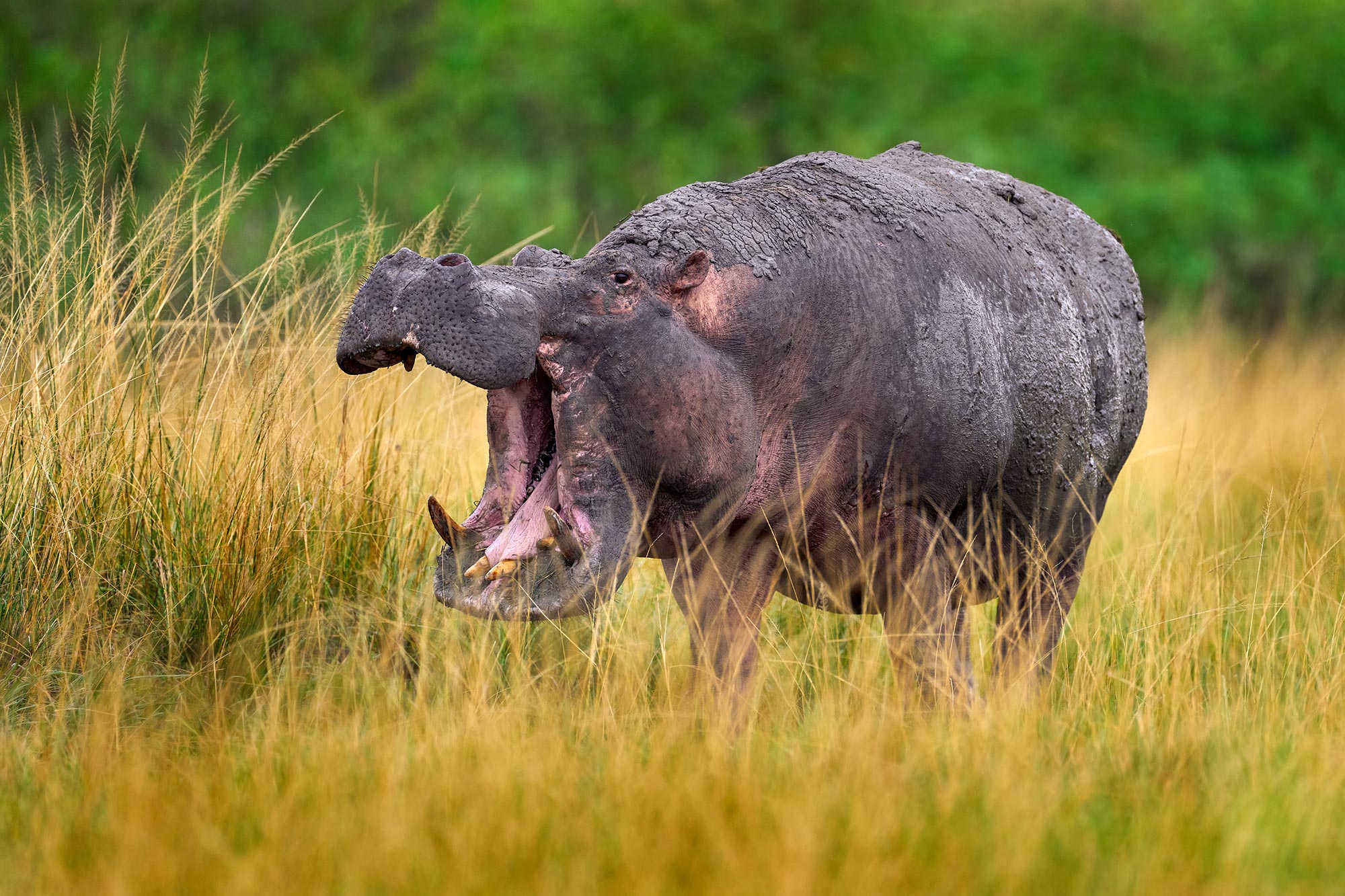
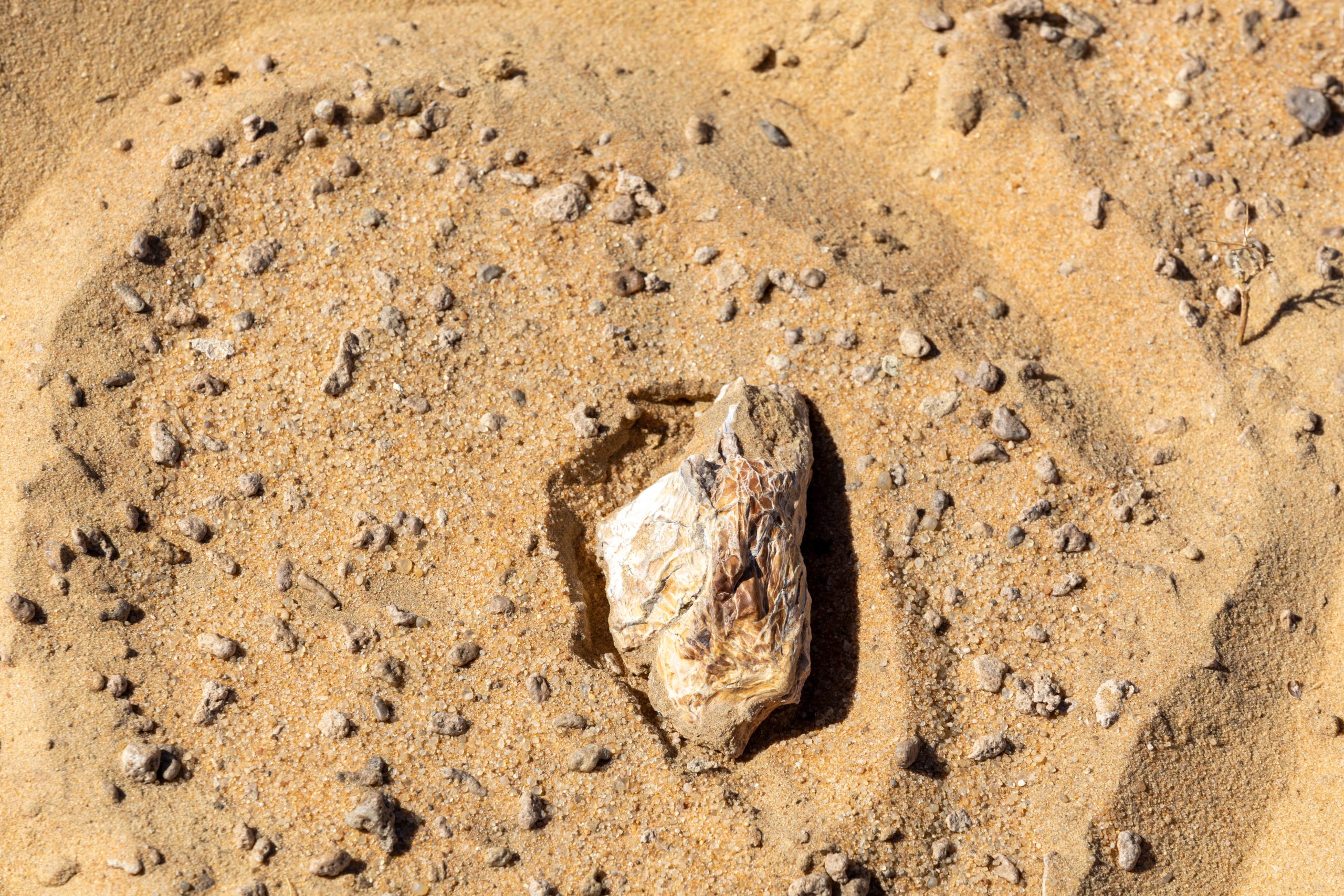
Systematic surveys across more than 130 locations documented over 500 fossil specimens of plants and animals, including invertebrates. Animal remains included hippos, extinct long-horned buffaloes, camels, Arabian oryx, gazelles, and ostriches, revealing the variety of wildlife that inhabited the region when water was far more abundant.
Dr. Faisal Al-Jibreen, a participating researcher from the Heritage Commission and professor of Paleolithic archaeology, described the discovery in the sands of Lake Mundafan as an important archaeological find that sheds light on the relationship between humans, animals, and the ancient environment of southern Saudi Arabia.
Stone tools reveal unexpected plant uses
Researchers also collected 5,511 stone tools larger than 2 centimeters (0.8 inches) from the main study area. More than 98% were made of flint, and their manufacture showed evidence of Levallois techniques, in which stone is carefully shaped to produce flakes of a desired form. The team used two dating methods on sand and fossil teeth, along with 3D-refitting techniques to investigate how the tools were produced.
Microscopic and chemical analyses of the tools revealed traces of numerous plants, including tubers, bushes, and palm leaves. These residues suggest that people processed plant resources for food and everyday activities. Traces of resin and woody tissue also indicate that some stone points may have been attached to handles or shafts to create hunting weapons.
More intriguingly, some tools contained residues from toxic plants, raising the possibility that early hunters used poisonous compounds in their equipment. Although their precise purpose remains uncertain, the findings represent some of the earliest potential evidence of this practice in Saudi Arabia. The discoveries also include some of the region’s earliest evidence of palm-related vegetation.
The combination of freshwater, animals, plants, and raw materials along the lakeshore supported a range of activities, from stone tool production and hunting equipment preparation to processing food and working with fibers. Because these different traces were preserved together at a single dated site, researchers could examine their relationships in unusual detail.
“This site gives us a rare and richly detailed view of how people lived in a landscape that looks nothing like Arabia today,” said Professor Chris Clarkson, co-lead scientist and Professor of Archaeology at Griffith University’s Australian Research Centre for Human Evolution. “The combination of animal remains, stone tools and plant material in a single, dated context is what makes this discovery so significant.”
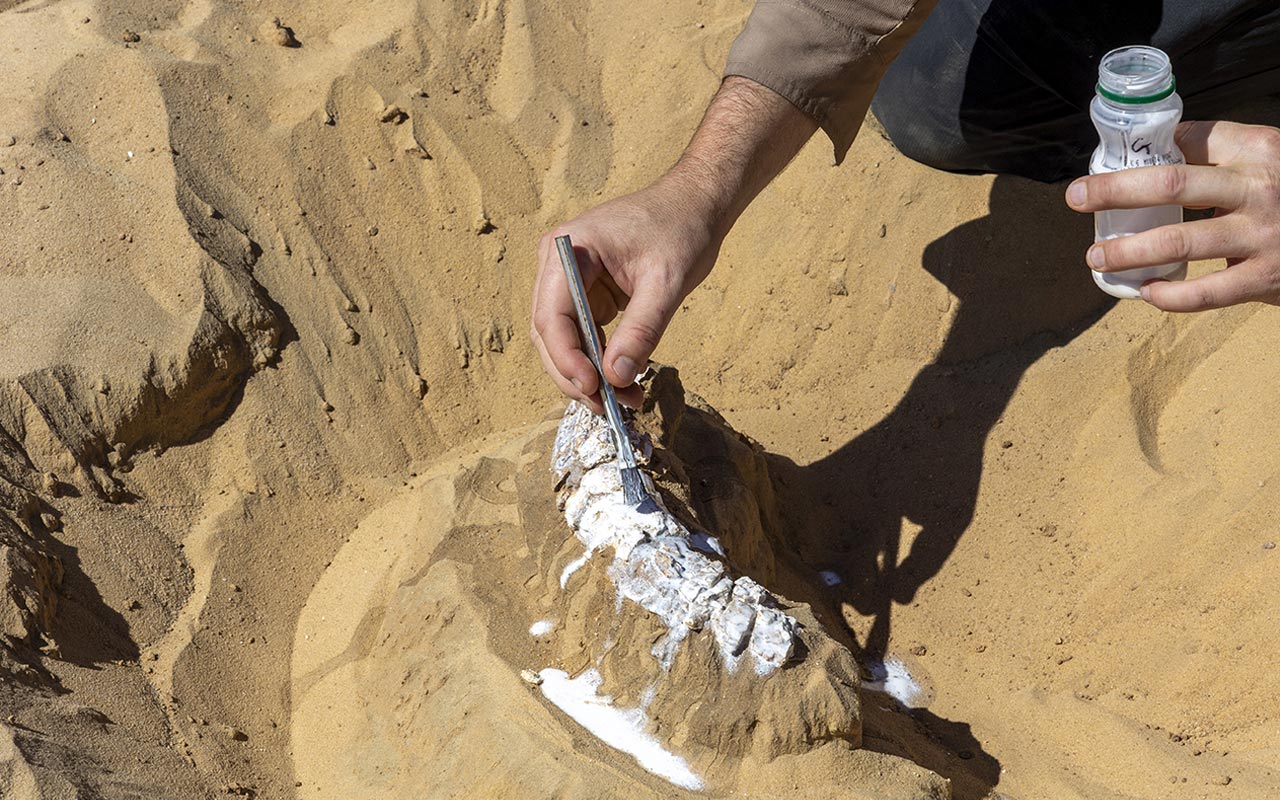
Scientific collaboration illuminates ancient Arabian life
Reconstructing that ancient landscape required the combined efforts of researchers across several scientific disciplines and institutions. Their work demonstrates how geological evidence, fossils, archaeological discoveries, and microscopic traces can contribute to a more complete understanding of early human life.
“It is very exciting to see how the collaboration of so many different specialists allows to reconstruct this uniquely complete picture of life, behavior and the environment in the distant past,” said Professor Frans van Buchem, KAUST Professor of Geology and co-lead scientist.
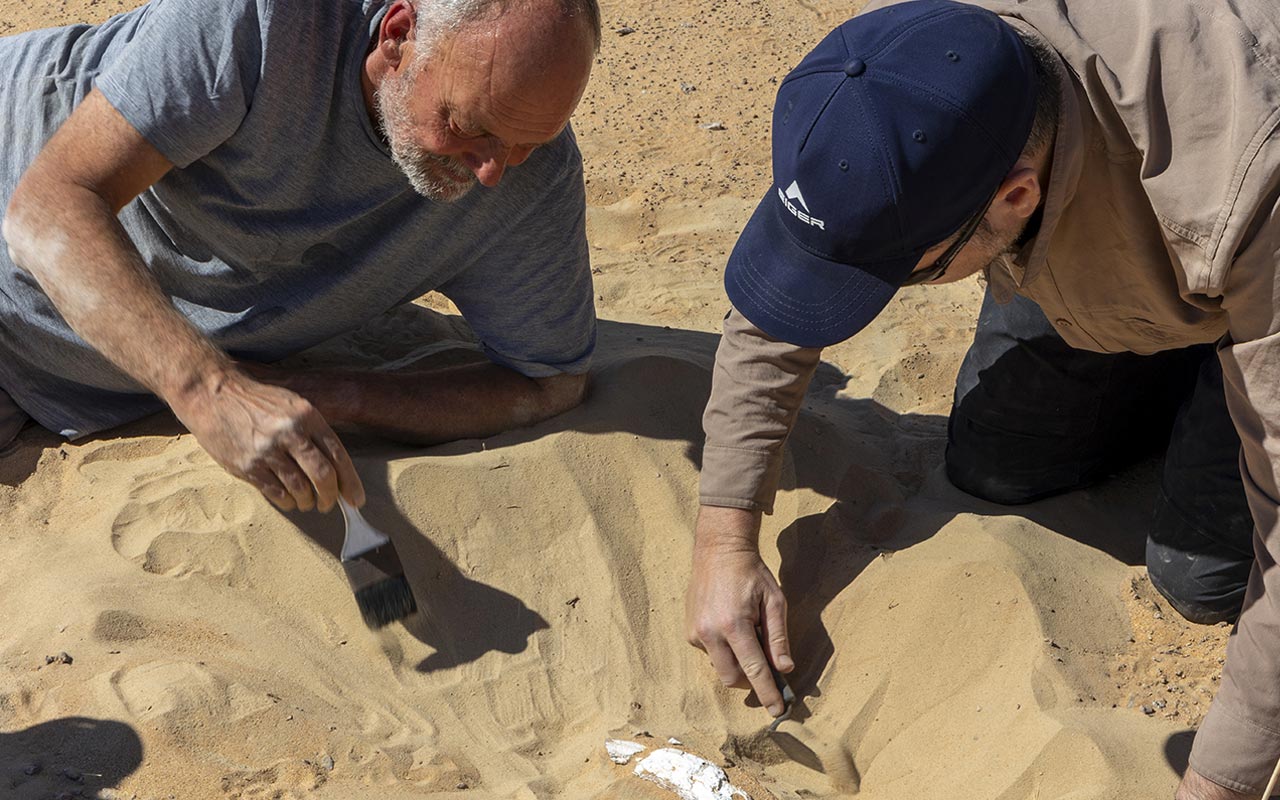
The findings add to growing evidence of Saudi Arabia’s deep human and environmental history, with implications for understanding early human movement and technological development across the Arabian Peninsula. They also highlight the importance of international research partnerships and expanding heritage science expertise within the Kingdom.
“Saudi Arabia has an exceptional archaeological heritage. Building Heritage Science capabilities in the Kingdom will enable us to turn the smallest traces into the biggest stories,” said Professor Laurence Hapiot, co-author and Head of Heritage Research at KAUST.
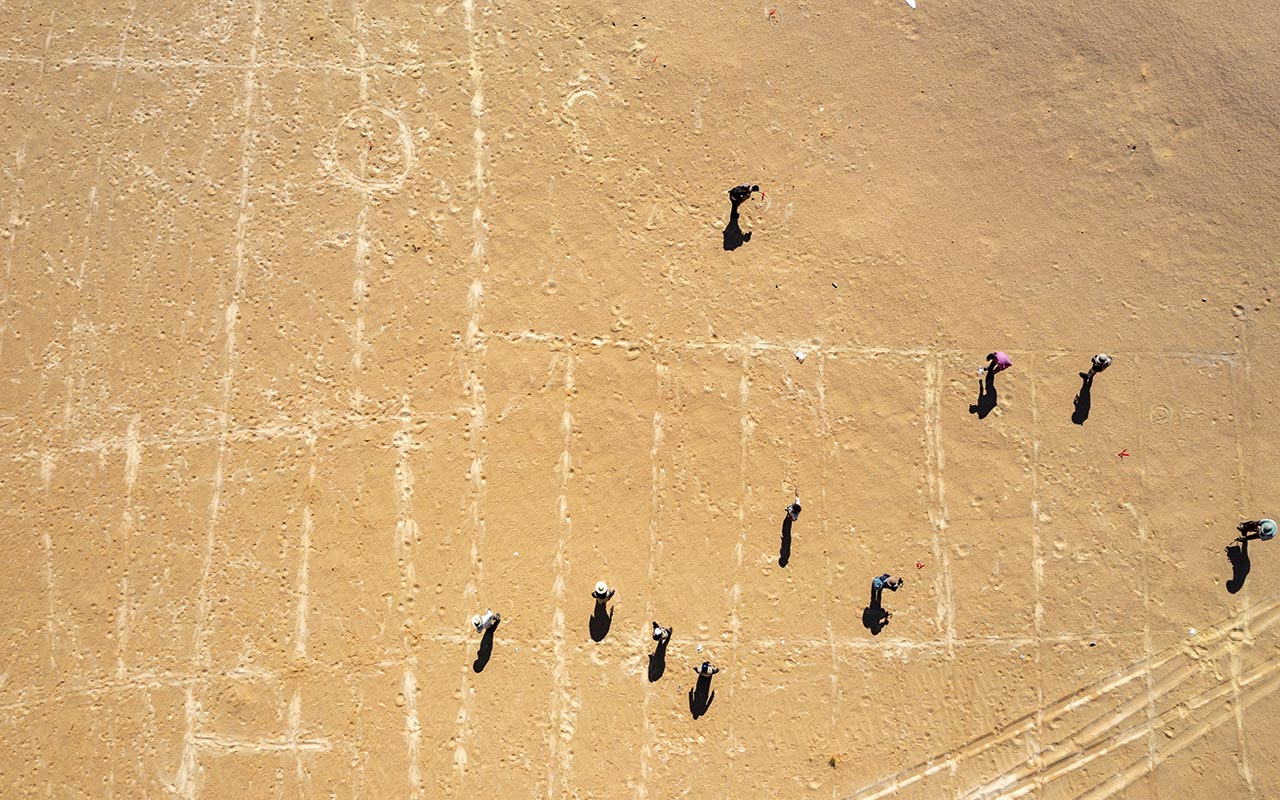
Reference: “Poisoned hunting weapons, megafauna, and plant use at a 125,000-year-old Arabian paleolakeshore” by Chris Clarkson, Gilbert J. Price, Amir Kalifi, Giacomo Losi, Carney Matheson, Faisal Al-Jibreen, Abdullah M. Alsharekh, Simon J. Armitage, Ikram Blilou, Nicole Boivin, Paul S. Breeze, Nick Drake, Mathieu Duval, Sophia Gradwell, Huw S. Groucutt, Maria Guagnin, Juliana Guzmán, Laurence Hapiot, Virginia Martínez-Pillado, Jihede Haj Messaoud, Kasih Norman, Veerle Rots, Ian H. Sobbe, Mathew Stewart, Michael D. Petraglia and Frans van Buchem, 12 November 2026, Science.
DOI: 10.1126/science.aef9342
Never miss a breakthrough: Join the SciTechDaily newsletter.
Follow us on Google and Google News.