
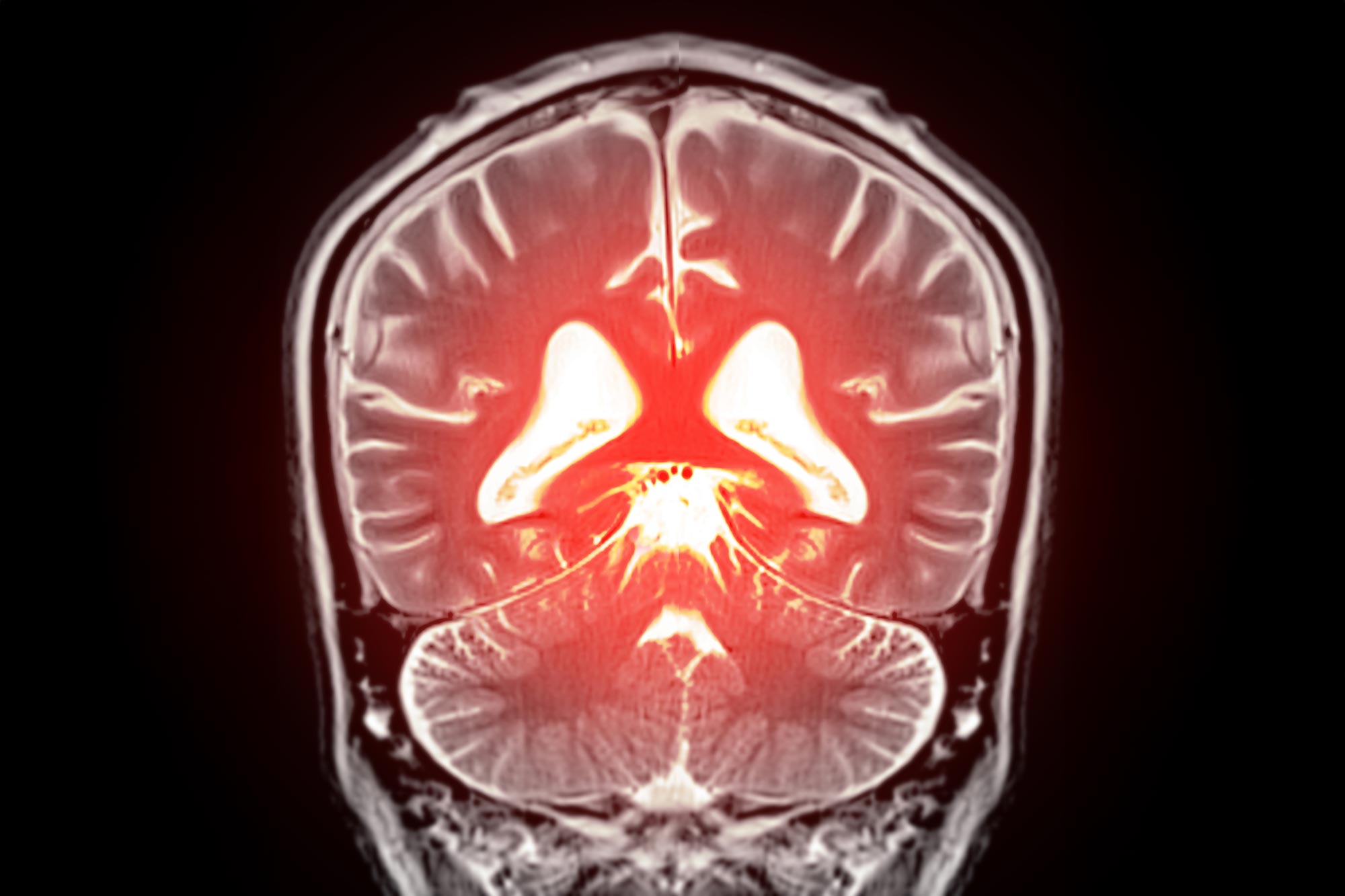
Replacing a missing brain lipid may calm overactive blood vessels and restore healthy blood flow—opening a new path toward treating dementia.
A potential new approach to treating reduced brain blood flow and certain forms of dementia is beginning to take shape. Scientists at the University of Vermont, Robert Larner, M.D. College of Medicine have uncovered new details about how blood flow in the brain is regulated and identified a strategy that could help correct problems in the brain’s blood vessels. Their preclinical research, published today (December 22) in Proceedings of the National Academy of Sciences, suggests that restoring a missing phospholipid in the bloodstream may help normalize cerebral blood flow and ease dementia-related symptoms.
“This discovery is a huge step forward in our efforts to prevent dementia and neurovascular diseases,” says principal investigator Osama Harraz, Ph.D., assistant professor of pharmacology at Larner College of Medicine. “We are uncovering the complex mechanisms of these devastating conditions, and now we can begin to think about how to translate this biology into therapies.”
The Growing Impact of Dementia
Alzheimer’s disease and related dementias currently affect about 50 million people worldwide, a number that continues to climb. This growing prevalence places heavy emotional and financial strain on families, caregivers, and health care systems. Scientists have been working to understand how factors such as protein dysfunction, inflammation, disrupted neural signaling, and damaged brain cells contribute to these diseases.
How Brain Blood Flow Is Controlled
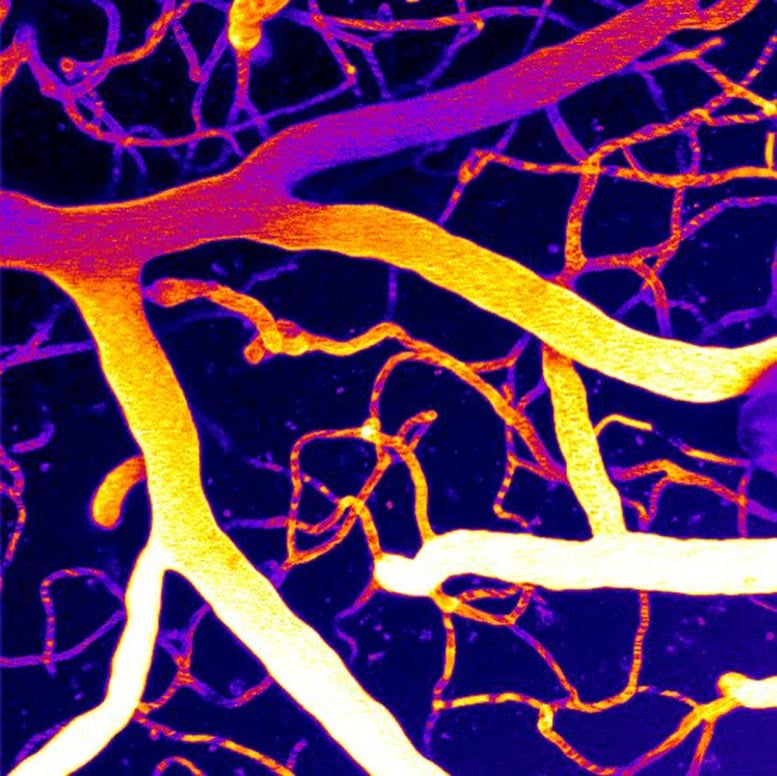
In the Harraz lab, researchers study how cerebral blood flow is regulated and how signals within blood vessels influence this process. A key focus of their work is a protein called Piezo1, which is found in the membranes of cells lining blood vessels in the brain. Piezo1 acts as a sensor of physical forces, responding to friction created as blood moves through the brain’s vascular network. Its name comes from the Greek word for “pressure.” Earlier studies showed that Piezo1 activity can be altered in people who carry certain genetic variations of the Piezo1 gene.
A Missing Lipid and Overactive Blood Vessels
The new study, titled “PIP2 Corrects an Endothelial Piezo1 Channelopathy,” sheds light on how Piezo1 influences brain blood flow and shows that conditions such as Alzheimer’s disease are linked to heightened Piezo1 activity in blood vessels. The research team examined a phospholipid found in brain cell membranes called PIP2. This molecule plays a critical role in cell signaling and in regulating ion channels, a process that controls when protein pores in cells open and close.
The scientists discovered that PIP2 normally acts as a natural brake on Piezo1. When levels of PIP2 fall, Piezo1 becomes overly active, which disrupts normal blood flow in the brain. When the researchers added PIP2 back into the system, Piezo1 activity was reduced and healthy blood flow was restored. These findings suggest that increasing PIP2 levels could represent a new therapeutic approach for improving brain circulation and supporting brain function.
What Comes Next for This Research
Future work will explore exactly how PIP2 interacts with Piezo1. Researchers want to determine whether PIP2 binds directly to specific parts of the protein or changes the surrounding cell membrane in a way that limits channel opening. Additional studies will also investigate how disease-related drops in PIP2 remove this regulatory control, allowing Piezo1 to remain overactive and impair cerebral blood flow over time. Understanding these processes in greater detail will be crucial for developing treatments based on PIP2 restoration or direct targeting of Piezo1 to improve neurovascular health in dementia and related vascular conditions.
Reference: “PIP2 corrects an endothelial Piezo1 channelopathy” by Ahmed M. Hashad, Mohammad M. Abd-Alhaseeb, Xin Rui Lim, Natalia M. Mathieu and Osama F. Harraz, 23 December 2025, Proceedings of the National Academy of Sciences.
DOI: 10.1073/pnas.2522750122
Never miss a breakthrough: Join the SciTechDaily newsletter.
Follow us on Google and Google News.
3 Comments
How does it alleviate dementia and can it help migraines? Does making this change affect APS for the good or bad? The article seems like a snippet rather than a full article. It makes me wonder if the study leaves the same type of questions to be answered.
Just checking on my ability to fly my plane. I’m am doing well with my brain.
I can fly well by myself. I have a Cessna 182Q. I have flown on my plane regularly even since the last 3 weeks.
No problem. Of course, I have flown this plane over the last 7 years.
Thanks for your help.
Hmm…phospholipid. Suspect lipid production interference. Fat intake and production of useful lipids. Just sayin”