
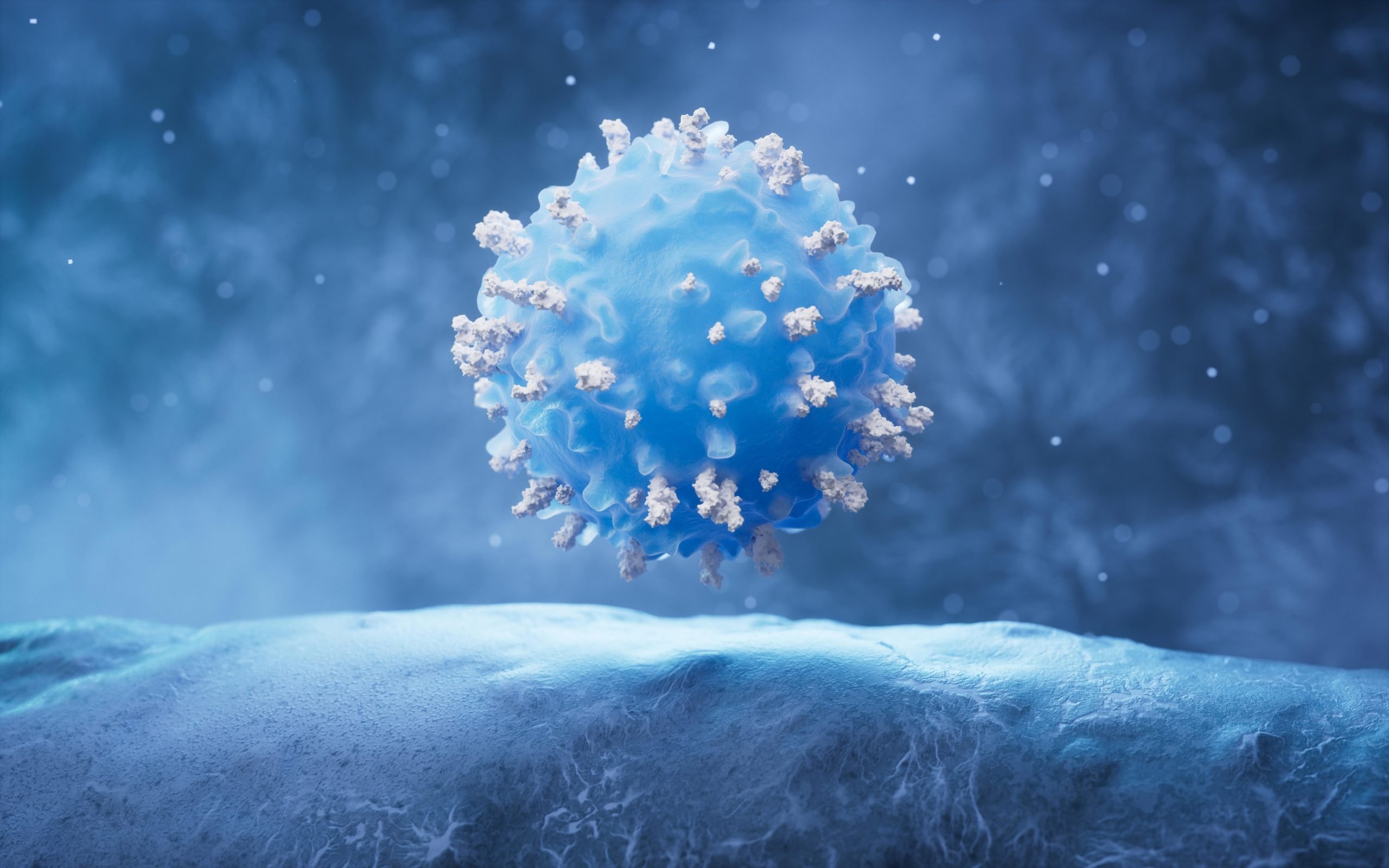
Researchers have identified a previously unknown group of aging immune cells that may undermine the body’s natural defenses.
Some aging immune cells do more than lose their ability to fight disease. Researchers at Monash University have identified a previously unknown group of immune cells that actively suppress the body’s defenses, potentially helping explain why cancer and serious infections become more common with age.
The discovery comes from a preclinical study published in Science Immunology. Using mouse models, scientists mapped genetic changes that cause immune cells to deteriorate in different ways, identifying potential targets for treatments aimed at preserving immune function later in life.
How Aging Changes the Immune System
The researchers investigated CD8+ T cells, immune cells responsible for recognizing and destroying infected and cancerous cells. They identified three distinct ways aging disrupts the genetic programs controlling these cells, impairing their ability to respond to unfamiliar threats, regulate immune activity, and maintain normal cellular health.
“Aging is the biggest risk factor for cancer overall,” said Dr. Daniel Thiele, the study’s first author at the Monash Biomedicine Discovery Institute. “Our immune system is constantly surveying our bodies for potentially cancerous cells and eliminating them, often without us ever knowing.”
“As we age, this natural defense system becomes less effective, making us more vulnerable to cancer and infections and reducing our ability to respond to vaccines.”
“This study provides a blueprint of immune aging, from which we can now identify potential targets to reverse aspects of that decline.”
Some Aging Immune Cells Begin Working Against the Body
The findings challenge the idea that immune cells simply become progressively weaker as they age. Some lose their protective functions, while others develop the ability to interfere with neighboring immune cells. These different patterns can occur within the same aging individual.
“Even within the same aging individual, we found that immune cells can age in remarkably different ways,” Dr. Thiele said. “Some cells lose their ability to protect us against disease, while others begin to interfere with the body’s own immune defenses.”
“By understanding what goes wrong within these cells, we can begin to identify more targeted ways to restore immune function as we age.”
A Possible Connection to Aging Throughout the Body
The research has also contributed to a separate discovery involving granzyme K, a protein produced by immune cells. In that study, Monash scientists identified granzyme K as a driver of age-related organ damage in mice, suggesting that changes in immune cell behavior may affect tissues beyond the immune system itself.
The findings raise the possibility of developing therapies that address specific mechanisms of immune aging rather than attempting to stimulate the entire immune system. Such treatments remain a future prospect, with the current evidence coming from preclinical research.
“By understanding what drives aging within our immune cells, we may ultimately be able to target not only immune aging, but aging throughout the body,” said Professor Nicole La Gruta, the study’s senior researcher at the Monash Biomedicine Discovery Institute.
Reference: “Aging drives distinct chromatin signatures of CD8 T cell dysfunction and the emergence of a unique CD8 Treg cell population” by Daniel Thiele, Liam C. Kealy, David Chisanga, Brendan E. Russ, Angela Nguyen, Jessica Runting, Iona S. Schuster, Adele Barugahare, Tabinda Hussain, Mohammad Asadian, Minh Bui, Taylah J. Bennett, Nemo Shindo, Justin B. Zhang, Jasmine Li, Mariapia A. Degli-Esposti, Axel Kallies, Kim Good-Jacobson, Colby Zaph, Stephen J. Turner and Nicole L. La Gruta, 20 November 2026, Science Immunology.
DOI: 10.1126/sciimmunol.aej5412
Never miss a breakthrough: Join the SciTechDaily newsletter.
Follow us on Google and Google News.