
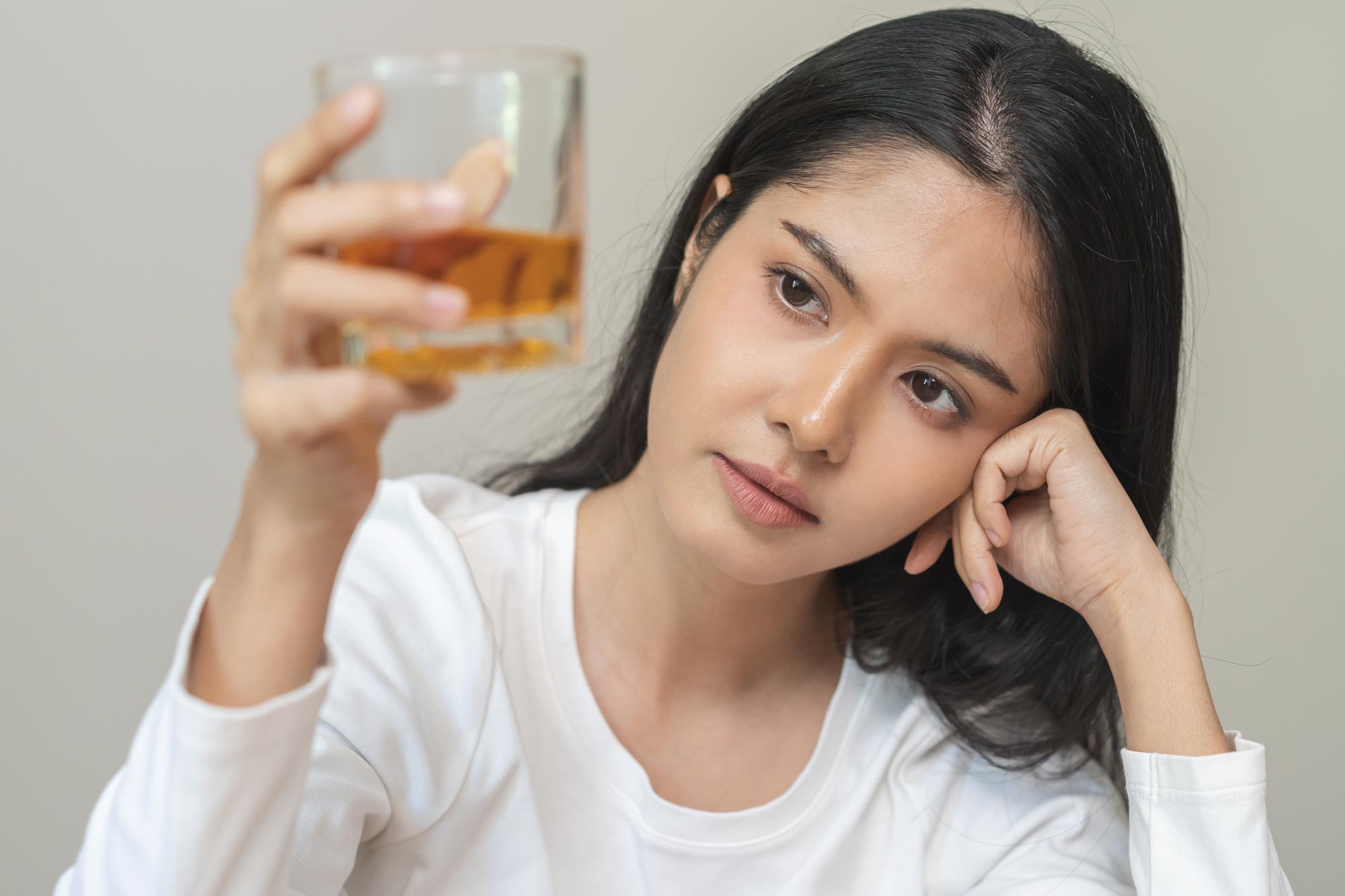
A plant long used in traditional East Asian medicine may offer a promising new approach to reducing binge drinking.
A supplement derived from kudzu, a plant used for centuries in traditional East Asian medicine, may help people with alcohol use disorder reduce binge drinking without taking medication every day.
In a clinical trial led by researchers at UC San Francisco (UCSF), people who took a standardized kudzu extract before anticipated episodes of heavy drinking experienced significantly fewer binge-drinking days than those given a placebo. The benefits persisted for three months after participants stopped taking the supplement.
The findings, published in the American Journal of Psychiatry on November 4, suggest that taking a treatment during periods of heightened risk could offer a new strategy for managing problematic alcohol consumption.
A Targeted Approach to Binge Drinking
Binge drinking accounts for more than half of the roughly 80,000 annual U.S. deaths attributed to excessive alcohol consumption. Despite the scale of the problem, fewer than 10% of people with alcohol use disorder have ever received medication to treat the condition.
“Binge drinking is incredibly common, but we don’t have many tools to offer people who want to cut back,” said Glenn-Milo Santos, PhD, MPH, the study’s lead author and a UCSF professor of community health systems. “Our goal is to expand that toolkit. What’s exciting about this approach is that people can use it when they know they may be at risk of heavy drinking, rather than taking a medication every day.”
Testing Kudzu Against a Placebo
The trial involved 120 adults with alcohol use disorder who engaged in binge drinking at least once a week. Binge drinking was defined as consuming at least five alcoholic drinks on a single occasion for men and at least four for women.
Participants were divided into two groups, with half receiving a standardized kudzu extract and the other half receiving a placebo. Over 12 weeks, they were instructed to take their assigned treatment approximately 2.5 hours before they anticipated drinking heavily. Everyone also received brief weekly counseling sessions.
By the end of the trial, participants taking kudzu had reduced their average number of binge-drinking days from 2.15 to 1.42 per week. Those receiving the placebo showed little improvement, with their weekly average declining from 2.15 to 2.06 days.
Benefits Continued After Treatment Ended
Kudzu also reduced how frequently participants experienced weeks involving any binge drinking. The proportion of such weeks dropped from 88% to 58% among those taking the extract, compared with a decline from 88% to 81% in the placebo group.
Three months after the treatment period ended, participants who had received kudzu continued to report significantly fewer binge-drinking days than those in the placebo group. Researchers suggest that drinking less during the trial may have helped participants reconsider their drinking habits and develop greater confidence in their ability to control their alcohol consumption.
Commercial Supplements May Not Have the Same Effects
Participants tolerated the kudzu extract well, experiencing no more side effects than those receiving the placebo. No serious adverse effects were linked to the treatment.
However, the researchers caution against assuming that commercially available kudzu supplements will deliver comparable benefits. The trial used a standardized formulation, whereas the composition of products sold over the counter can vary considerably. Larger clinical studies are needed to confirm the results across more diverse populations.
Reference: “Targeted Use of Kudzu for Binge Drinking Among Adults With Alcohol Use Disorder: A Phase 2b Randomized Trial” by Glenn-Milo Santos, Phillip Coffin, Allie Dunham, Thomas Hoffmann, John Walker, Tim Matheson and Steven Batki, 3 November 2026, American Journal of Psychiatry.
DOI: 10.1176/appi.ajp.20251354
This study was funded by National Institutes for Health (R01AA025930). Santos is also supported by a K24 career development grant from the National Institute on Alcohol Abuse and Alcoholism (NIAAA), which is part of the NIH.
Never miss a breakthrough: Join the SciTechDaily newsletter.
Follow us on Google and Google News.