
Close Menu
    Facebook X (Twitter) Instagram
    SciTechDaily
    • Biology
    • Chemistry
    • Earth
    • Health
    • Physics
    • Science
    • Space
    • Technology
    Facebook X (Twitter) Pinterest YouTube RSS
    SciTechDaily
    Home»Health»Scientists Discover Amazing New Benefit of Ozempic: Reducing Alcohol and Opioid Addiction
    Health

    Scientists Discover Amazing New Benefit of Ozempic: Reducing Alcohol and Opioid Addiction

    By Society for the Study of AddictionOctober 18, 20241 Comment3 Mins Read
    Facebook Twitter Pinterest Telegram LinkedIn WhatsApp Email Reddit
    Share
    Facebook Twitter LinkedIn Pinterest Telegram Email Reddit
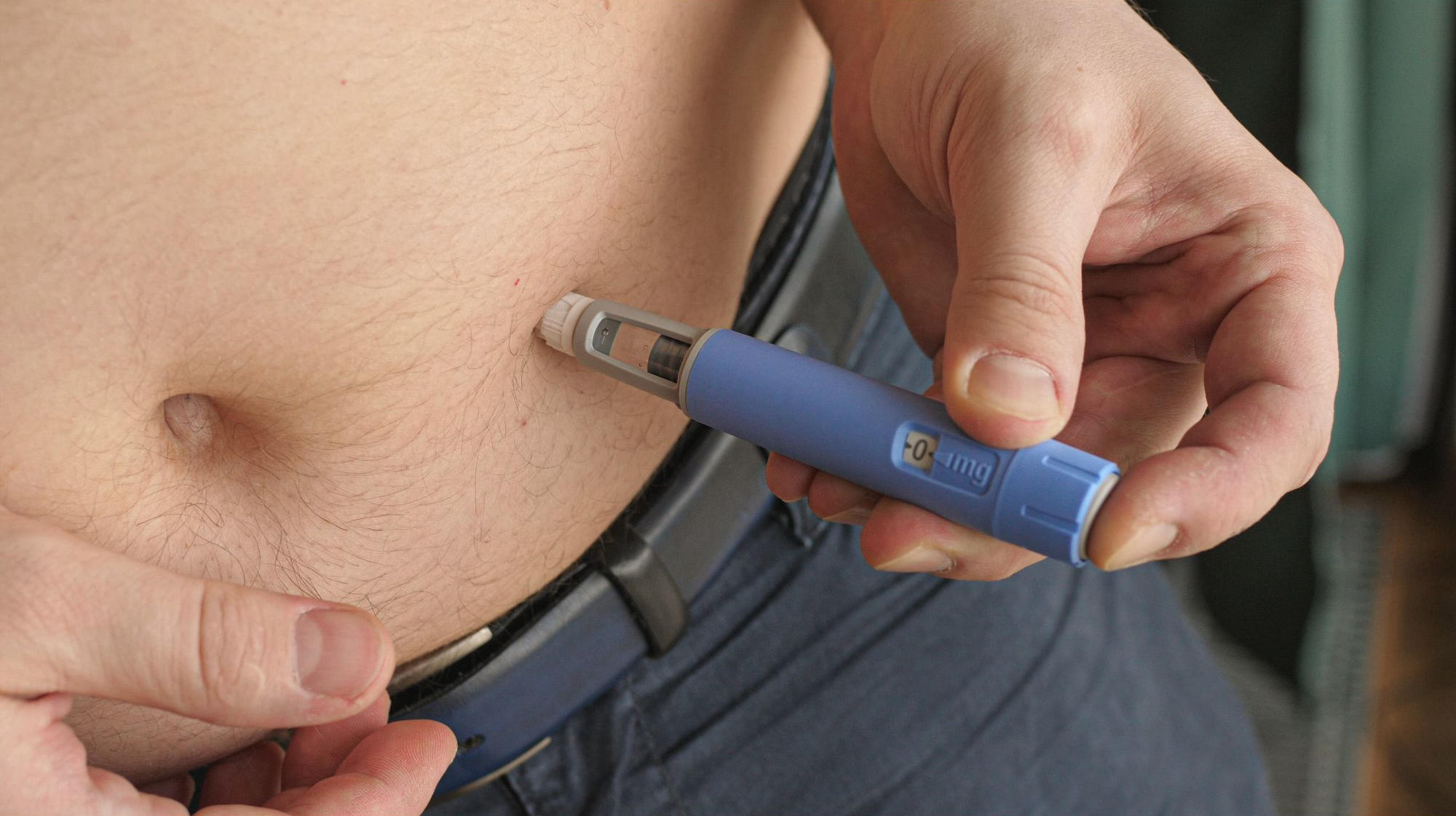
    Obese Man Using Semaglutide Ozempic
    Ozempic is a medication containing semaglutide, a glucagon-like peptide-1 receptor agonist (GLP-1 RA), primarily used to treat type 2 diabetes by improving blood sugar control and promoting weight loss. It works by stimulating insulin secretion, reducing appetite, and slowing gastric emptying, acting on the brain’s appetite regulation centers.

    New research shows that Ozempic and similar drugs reduce opioid overdoses by 40% and alcohol intoxication by 50% in people with substance use disorders. These medications, often prescribed for diabetes and weight issues, may help treat addiction by influencing brain reward pathways.

    A recent study published in the journal Addiction found that individuals with opioid use disorder (OUD) or alcohol use disorder (AUD) who are treated with Ozempic or similar medications for diabetes or weight-related conditions experience a 40% reduction in opioid overdose rates and a 50% reduction in alcohol intoxication compared to those with OUD and AUD who are not on these medications.

    Ozempic is one of several medications, called glucagon-like peptide-1 receptor agonists or GLP-1 RAs, that are prescribed to treat diabetes, obesity, and other weight-related medical conditions. The medications interact with a region of the brain – the mesolimbic system – to reduce appetite and trigger satisfaction after eating.

    The mesolimbic system overlaps with the brain processes that govern addictive behaviors. This overlap suggests that GLP-1 RAs and similar medications might also alter the reward-response pathways associated with substance use. ‘Similar medications’ include glucose-dependent insulinotropic polypeptide (GIP) agonists like the weight-loss medication Mounjaro.

    Prior Research and the Latest Findings

    Until now, most of the existing research into using GLP-1 RAs and GIPs to treat substance use disorders consists of animal studies and small-scale clinical trials.

    This new large-scale human study looked at 503,747 people with a history of opioid use disorder (OUD), of which 8,103 had a prescription for a GLP-1 RA or GIP. The study found that people with OUD who had a GLP-1 RA or GIP prescription had a 40% lower rate of opioid overdose compared with those who did not have a prescription.

    The study also looked at 817,309 people with a history of alcohol use disorder (AUD), of which 5,621 had a prescription for a GLP-1 RA or GIP. The study found that people with AUD who had a GLP-1 RA or GIP prescription had a 50% lower rate of alcohol intoxication compared with those who did not have a prescription.

    This study may introduce a promising new treatment for substance use disorders.

    Reference: “The association between glucose-dependent insulinotropic polypeptide and/or glucagon-like peptide-1 receptor agonist prescriptions and substance-related outcomes in patients with opioid and alcohol use disorders: A real-world data analysis” by Fares Qeadan, Ashlie McCunn and Benjamin Tingey, 16 October 2024, Addiction.
    DOI: 10.1111/add.16679

    Never miss a breakthrough: Join the SciTechDaily newsletter.
    Follow us on Google and Google News.

    Addiction Alcohol Opioids Popular Public Health Semaglutide
    Share. Facebook Twitter Pinterest LinkedIn Email Reddit

    Related Articles

    This Popular Diabetes Drug Could Reduce Cravings for Alcohol and Drugs

    Cutting Alcohol Consumption in Half – Scientists Discover Surprising Side Effect of Obesity Drug Semaglutide

    Moderate Alcohol Use Linked With Higher Cancer Risk

    Financial Incentives Influence Doctors Alcohol Advice to Patients

    A Lethal Dose for $1 – Fentanyl’s Risk on the ‘Darknet’

    Stemming the Opioid Crisis: New Addiction Treatments Hold Promise

    Young, White, Daily Opioid Users More Likely to Prefer Fentanyl

    Medications Can Help As Opioid Treatment for Teens

    Teens Abusing Opioids May Benefit From Medication Treatment

    1 Comment

    1. nakir on October 18, 2024 10:52 pm

      it’s help to use more drugs and alcohcol

      Reply
    Leave A Reply Cancel Reply

    • Facebook
    • Twitter
    • Pinterest
    • YouTube

    Don't Miss a Discovery

    Subscribe for the Latest in Science & Tech!

    Trending News

    Largest-Ever Study Finds Medicinal Cannabis Ineffective for Anxiety, Depression, PTSD

    250-Million-Year-Old Egg Solves One of Evolution’s Biggest Mysteries

    Living With Roommates Might Be Changing Your Gut Microbiome Without You Knowing

    Century-Old Cleaning Chemical Linked to 500% Increased Risk of Parkinson’s Disease

    What if Your Memories Never Happened? Physicists Take a New Look at the Boltzmann Brain Paradox

    One of the Universe’s Largest Stars May Be Getting Ready To Explode

    Scientists Discover Enzyme That Could Supercharge Ozempic-Like Weight Loss Drugs

    Popular Sweetener Linked to DNA Damage – “It’s Something You Should Not Be Eating”

    Follow SciTechDaily
    • Facebook
    • Twitter
    • YouTube
    • Pinterest
    • Newsletter
    • RSS
    SciTech News
    • Biology News
    • Chemistry News
    • Earth News
    • Health News
    • Physics News
    • Science News
    • Space News
    • Technology News
    Recent Posts
    • The Most Elusive Number in Physics Just Got Even More Mysterious
    • Scientists Uncover Hidden Trigger Behind Stem Cell Aging
    • Scientists Discover Coral Reefs Are Teeming With Previously Unknown Life
    • Scientists Find Way to Reverse Fatty Liver Disease Without Changing Diet
    • Could Humans Regrow Limbs? New Study Reveals Promising Genetic Pathway
    Copyright © 1998 - 2026 SciTechDaily. All Rights Reserved.
    • Science News
    • About
    • Contact
    • Editorial Board
    • Privacy Policy
    • Terms of Use

    Type above and press Enter to search. Press Esc to cancel.