
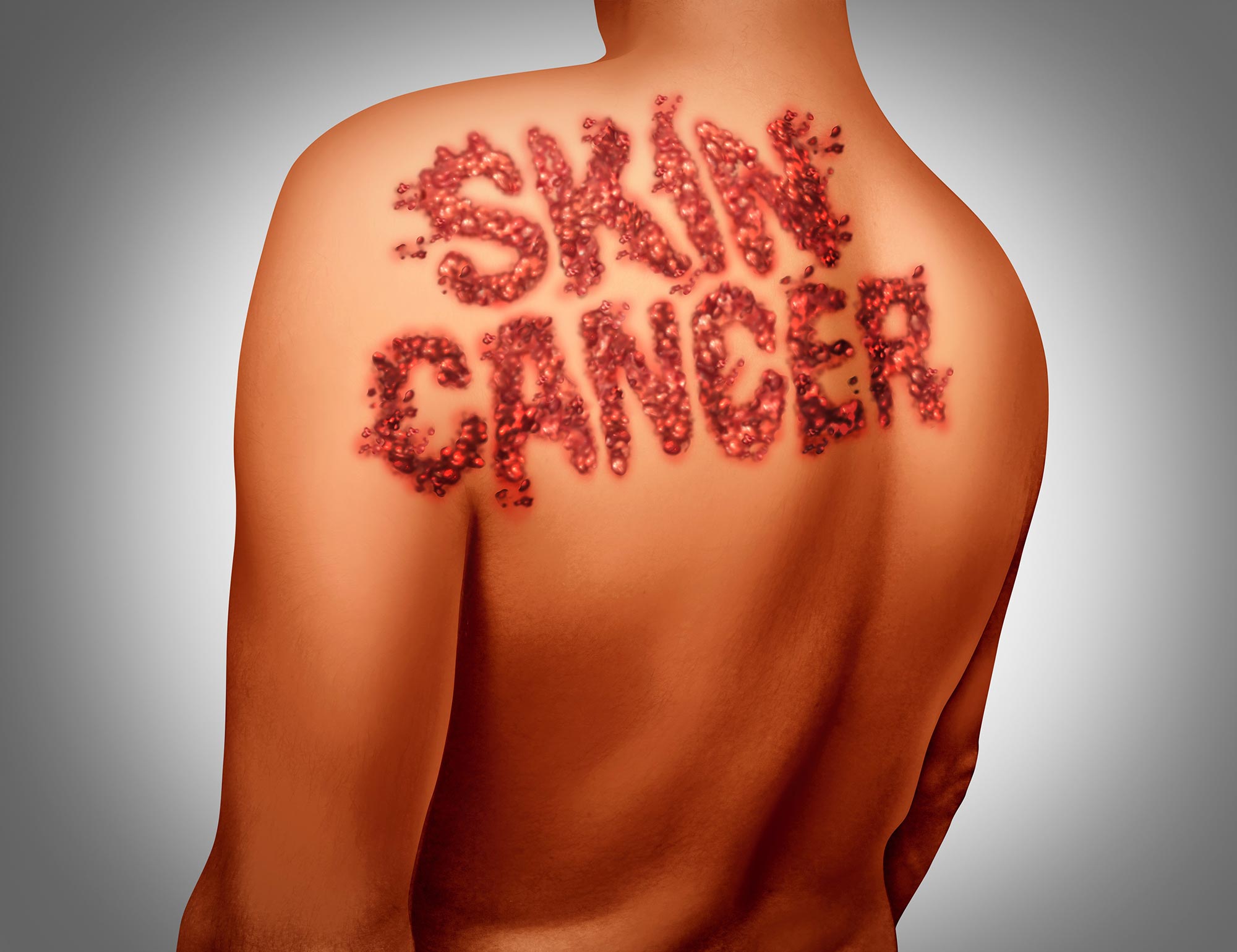
The world’s largest study of mole genetics identified hundreds of genes tied to melanoma risk, uncovering potential new drug targets and paving the way for more accurate melanoma screening and prevention.
Researchers at QIMR Berghofer have identified hundreds of genes involved in the development of both moles and melanoma, a finding that could open the door to new approaches for preventing and treating the most deadly form of skin cancer.
Published in Nature Communications, the world’s largest genetic study of “moliness” sheds new light on the complex biological factors behind moles and melanoma that are independent of well-known risks such as sun exposure, skin color, and pigmentation.
The researchers discovered genetic risk factors connected to biological pathways that may contribute to the formation of moles and melanoma. These pathways include immune system mechanisms that may fail to regulate cell growth, as well as genes linked to abnormal cell proliferation in cancers, including breast, prostate, and brain cancer.
Understanding how to block these pathways could lead to new drug targets and prevention strategies that extend beyond traditional sun protection measures.
Why Melanoma Still Needs New Treatments
Associate Professor Matthew Law, head of QIMR Berghofer’s Genetics and Skin Cancer Lab, said significant progress has been made in melanoma research, yet Australia continues to record the highest melanoma rates in the world. About 1,400 Australians die from the disease each year.
“We know how to reduce sun exposure and risk through SunSmart behaviors, and new immunotherapies have greatly improved survival rates. But people still get melanoma, and people still die from melanoma,” A/Prof Law said.
“Existing immunotherapies fail to work for half of all patients with late-stage melanoma, so we need to find other ways to target the disease. By studying moles, we’re learning more about the biology of melanoma so we can find new ways of controlling it.”

Moles and melanoma originate from the same type of pigment-producing skin cell known as a melanocyte. In a mole, these cells multiply and then stop growing, creating a harmless spot. In melanoma, the cells continue multiplying uncontrollably.
The Genetic Link Between Moles and Melanoma
Genetics plays a major role in determining mole count, and having many moles is one of the strongest risk factors for melanoma. Roughly one-third of melanomas develop from an existing mole.
The QIMR Berghofer team analyzed genetic data from more than 85,000 people of European ancestry and identified 24 previously unknown genetic regions associated with mole count. That represents a fivefold increase from the five regions identified in an earlier 2018 study led by the same institute.
Researchers found that all but one of these genetic regions are also linked to melanoma risk. In total, they identified more than 250 key genes that warrant further investigation.
One newly identified gene, SIKE1, helps regulate immune responses to viral infections. The team believes that if this gene malfunctions, it could impair the immune system’s ability to recognize and eliminate abnormally multiplying melanocytes, potentially allowing melanoma to develop. As a result, SIKE1 could become a promising target for future immunotherapies aimed at preventing early-stage melanoma growth.
SIKE1 and Emerging Immunotherapy Targets
Lead author Shanika Jayasinghe of QIMR Berghofer said the research builds on decades of internationally recognized work at the institute, which has contributed to every major genetic study of moles and melanoma, from twin studies to large-scale genome-wide research.
“I’m really proud to be continuing this long legacy of research. Our study increases understanding of why some people have a lot of moles and why some people develop melanoma, so we can better treat and prevent this skin cancer,” Ms. Jayasinghe said.
Using the findings, the researchers developed a Polygenic Risk Score (PRS) for moliness. The tool is designed to identify people who are genetically predisposed to having large numbers of moles and could eventually be incorporated into melanoma screening programs to improve the detection of high-risk individuals who may benefit from additional monitoring.
Polygenic Risk Scores and Future Prevention
The next phase of the research will involve analyzing even larger datasets to uncover additional genetic regions linked to both moliness and melanoma. The team is also investigating whether existing drugs could be repurposed to target the newly identified biological pathways.
The researchers thanked the many participants involved in the 13 studies included in the analysis, including QIMR Berghofer’s QSkin Sun and Health Study and the Australian Genetics of Depression Study.
Reference: “A large-scale genome-wide association meta-analysis for nevus count provides direct insights into the genetics of melanoma” by G. J. M. Shanika R. Jayasinghe, Gu Zhu, Nirmala Pandeya, Catherine M. Olsen, Nicholas G. Martin, Penelope A. Lind, Sarah E. Medland, Scott D. Gordon, Santiago Diaz-Torres, Gareth Lingham, Samantha S. Y. Lee, Tamar Nijsten, Manfred Kayser, Luba M. Pardo, Grant W. Montgomery, Nicholas K. Hayward, Jane M. Palmer, David J. Hunter, Jiali Han, Alex W. Hewitt, Mario Falchi, D. Timothy Bishop, Kevin M. Brown, Veronique Bataille, David A. Mackey, Mark M. Iles, David C. Whiteman, David L. Duffy, Stuart MacGregor and Matthew H. Law, 10 March 2026, Nature Communications.
DOI: 10.1038/s41467-026-70368-5
Never miss a breakthrough: Join the SciTechDaily newsletter.
Follow us on Google and Google News.