
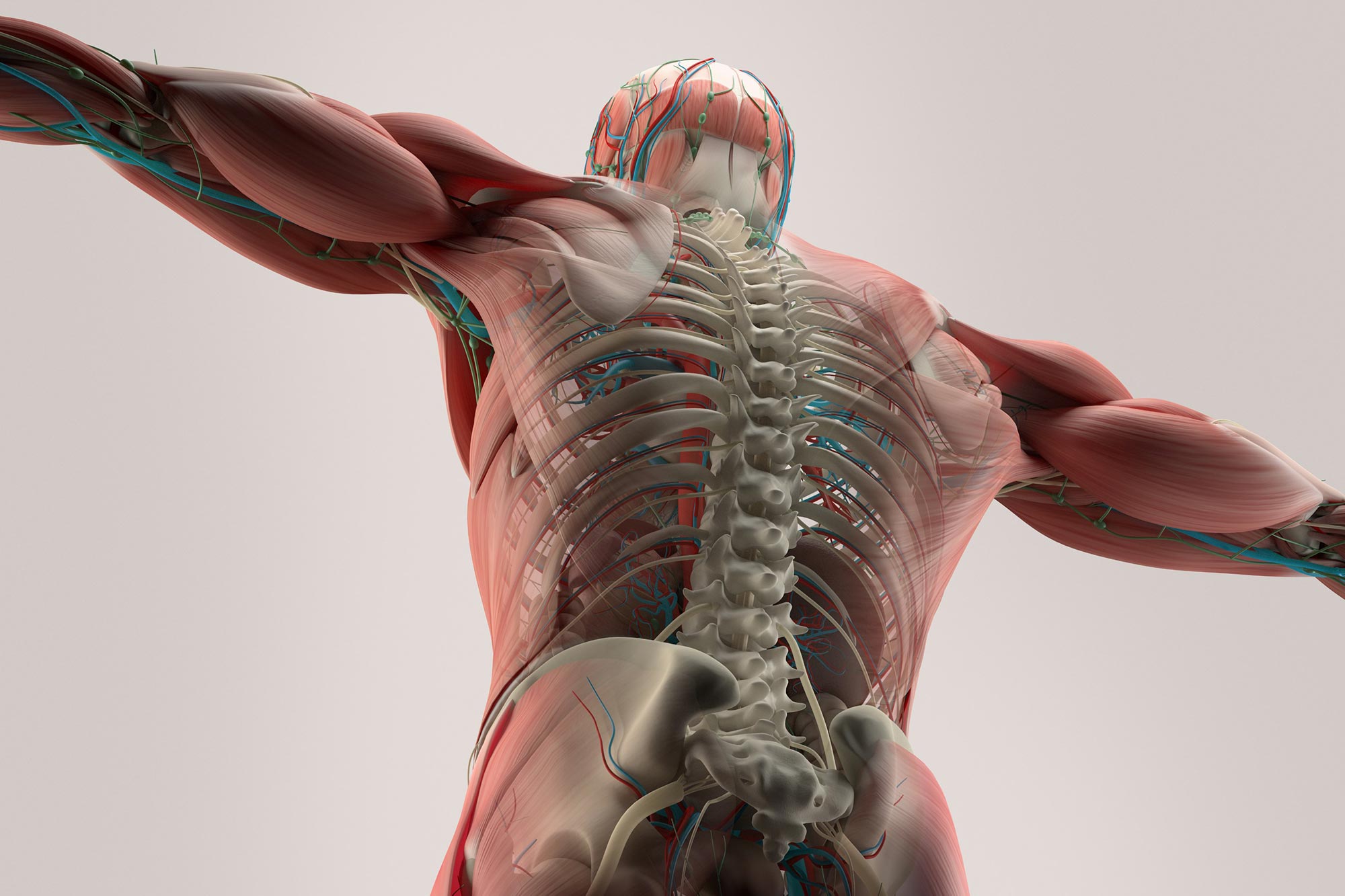
Bone formation markers responded most strongly to intense activities involving explosive movement and rapid changes of direction.
A sharp turn on a handball court may produce a stronger early signal of bone formation than a long walk. According to researchers at Semmelweis University, the intensity and movement patterns of exercise may matter more for bone health than the total amount performed.
Their study, published in Sports Medicine—Open, found that activities combining explosive movement, quick changes of direction, and turning produced the strongest response in markers associated with new bone formation. The results could inform exercise programs intended to preserve bone strength and reduce the risk of osteoporosis.
The researchers reviewed 24 clinical studies involving 1,238 healthy adults. Instead of waiting for measurable changes in bone mineral density, they examined blood biomarkers that indicate whether the body is actively producing new bone tissue. These markers can reveal a response within weeks, much sooner than conventional bone density measurements.
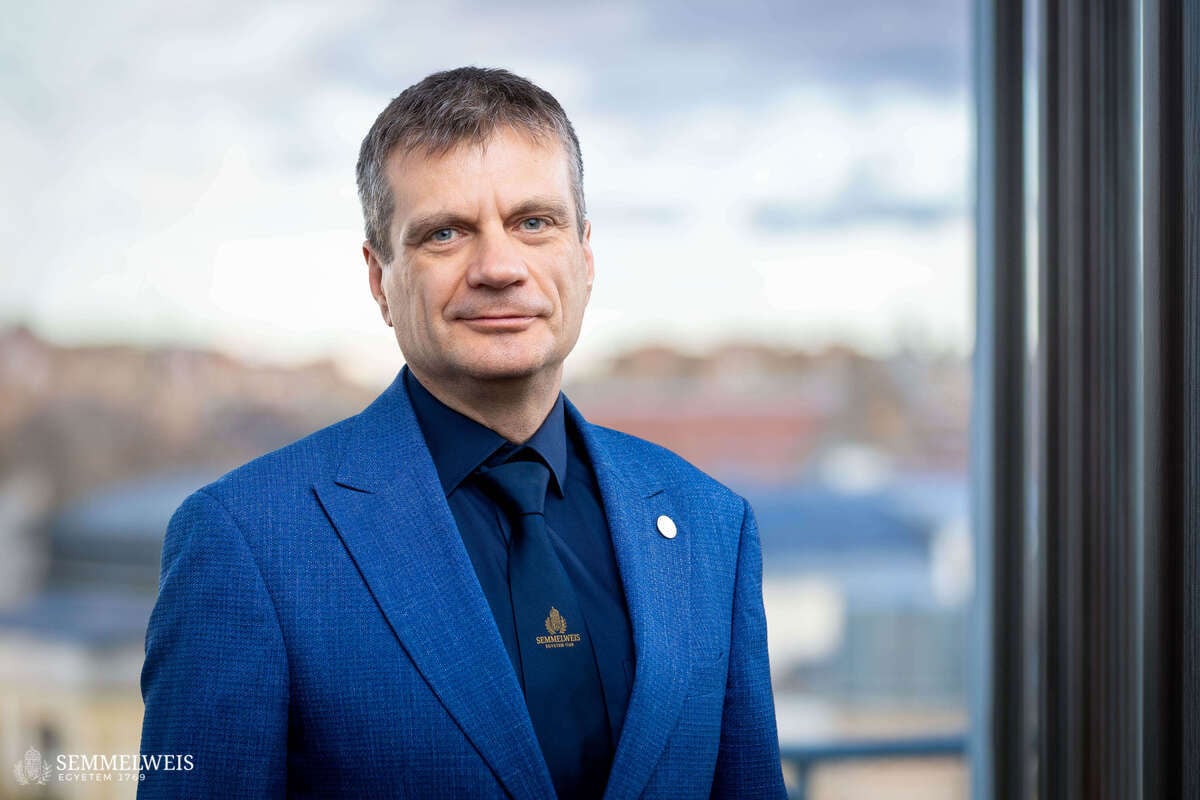
“What makes our study unique is that we examined not only the type of exercise—whether endurance, resistance, or combined training—but also exercise intensity, frequency, and duration. Our goal was to determine which forms of exercise stimulate bone metabolism most effectively and which appear to be less beneficial from this perspective,” said Dr. Péter Ferdinandy, Vice Rector for Science and Innovations at Semmelweis University and senior author of the study.
Explosive movement produced the strongest response
High-intensity sports featuring repeated bursts of movement, sudden turns, and rapid changes of direction produced the clearest response. Recreational football and handball were associated with increases of as much as 45 to 46 percent in blood substances linked to bone formation. Walking, step aerobics, and conventional resistance workouts in the gym generally produced weaker effects.
People should not begin demanding exercise suddenly or without adequate preparation. This caution is especially important for those with cardiovascular, musculoskeletal, or metabolic conditions, as well as people with osteoporosis. Before starting a new activity or increasing training intensity, they should consult a treating physician, general practitioner, or sports medicine specialist to confirm that the program is appropriate for their health.

Common exercise advice faces a challenge
“The most surprising finding was that resistance training did not produce a significant effect on markers of bone metabolism, even though several professional guidelines recommend this type of exercise for maintaining bone health. Likewise, low- or moderate-intensity endurance exercise, such as walking or jogging, showed no meaningful long-term effect,” explained Viktória Barna, PhD student at Semmelweis University and first author of the study.
That does not mean walking and other lower-intensity activities lack health benefits. However, the findings suggest that bones may need a stronger mechanical stimulus when the specific goal is to preserve their strength and health over time.
Bone health programs may need intensity
“According to the World Health Organization, regular physical activity offers numerous health benefits. However, our findings suggest that low-intensity exercise alone is not sufficient to stimulate bone metabolism. High-intensity exercise may trigger early beneficial changes in bone formation, potentially helping to slow bone loss and support healthy aging,” summarized Dr. Nóra Sydó, clinical specialist and co-author of the study.
The researchers say the results could support the design of evidence-based exercise programs focused on maintaining bone health and preventing osteoporosis.
Reference: “High-Intensity Training Increases Osteocalcin Levels: A Meta-Analysis of Effects of Exercise on Bone Remodeling biomarkers” by Viktória Barna, Amir Makolli, Zsuzsanna Pásztorné Benyó, Marie Anne Engh, Ádám Zolcsák, Brigitta Teutsch, Vivienne Seymour, Péter Hegyi, Renáta Papp, Nora Sydo and Péter Ferdinandy, 2 June 2026, Sports Medicine – Open.
DOI: 10.1186/s40798-026-00986-2
This work was supported by the National Research, Development and Innovation Office of Hungary (Research Excellence Program TKP within the framework of the Therapeutic Development thematic program of Semmelweis University; National Heart Laboratory (RRF-2.3.1-21-2022-00003) by Semmelweis University (Semmelweis Lendület Grant; Translation Medicine Program), and by the 2024-2.1.2-EKÖP-KDP-2024-00002 University Research Scholarship Programme of the Ministry for Culture and Innovation from the source of the International Research Development and Innovation Fund.
Never miss a breakthrough: Join the SciTechDaily newsletter.
Follow us on Google and Google News.