
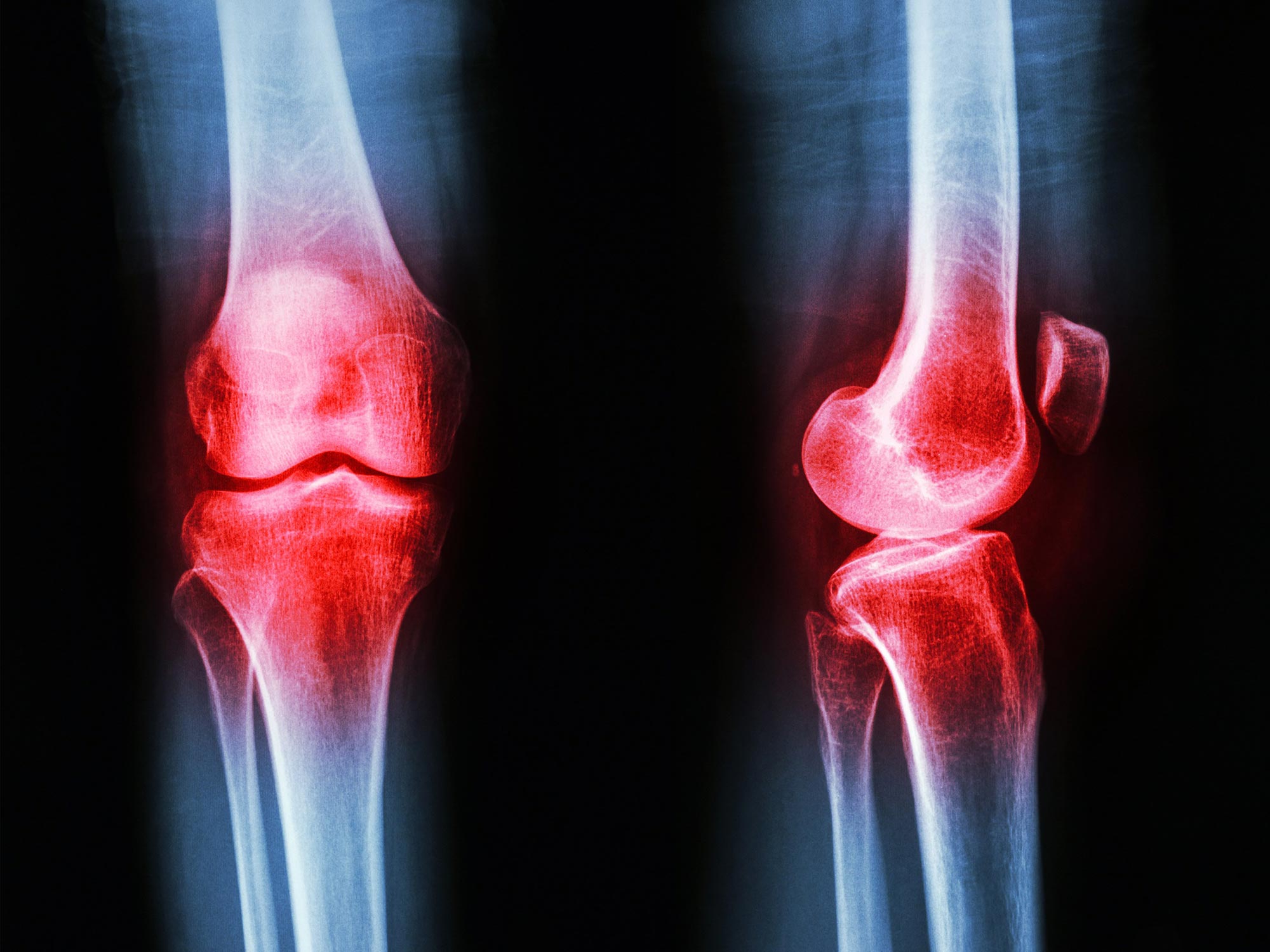
Exercise is the most effective and underused treatment for osteoarthritis, protecting joints while improving overall health.
Stiff knees, sore hips, and the persistent ache of joint pain are often seen as a normal part of aging. Yet osteoarthritis, the most widespread joint disease in the world, is not being managed in a way that reflects what the evidence shows, according to many experts.
The most effective treatment does not come from medication or surgery. It comes from movement. Despite this, health systems in many countries still fail to steer patients toward exercise, even though it is proven to protect joints and reduce pain.
Exercise is among the strongest treatments available for long-term, disabling joint conditions such as osteoarthritis. Even so, only a small proportion of patients are actually prescribed or supported to use it.
Studies examining healthcare in Ireland, the UK, Norway, and the United States reveal a consistent pattern. Fewer than half of people with osteoarthritis are referred to exercise programs or physiotherapy by their primary care clinician. More than 60% receive treatments that clinical guidelines advise against, and roughly 40% are referred for surgical consultation before non-surgical options have been properly explored.
Why movement protects joints
The concern around these statistics becomes clearer when we look at how joints actually stay healthy. Osteoarthritis is the most common form of arthritis, already affecting more than 595 million people worldwide and placing a growing strain on individuals and health systems alike.
A major global analysis published in The Lancet warns that the number of people living with the condition could climb close to one billion by 2050. Longer lifespans, less physically active daily lives, and rising levels of overweight and obesity are all contributing to this upward trend.
Regular exercise, however, appears to offer a powerful form of protection. People who stay active are not only strengthening their bodies but also triggering biological processes that help defend joints against damage and reduce the risk of severe symptoms.
At the center of this process is cartilage, the smooth, durable tissue that cushions the ends of bones inside a joint. Unlike most tissues in the body, cartilage has no blood supply, which means it depends almost entirely on movement to receive nutrients and stay resilient.
When a joint is loaded during walking or other activity, cartilage compresses and releases fluid, much like a sponge being gently squeezed. This motion pushes waste products out and draws fresh nutrients and natural lubricants back in, supporting the tissue with every step.
This helps explain why the long-held view of osteoarthritis as simple “wear and tear” falls short. Joints are not passive structures that steadily break down with use, like car tires wearing thin over time.
Instead, osteoarthritis develops through an ongoing cycle of stress, repair, and adaptation. Regular movement and exercise are essential parts of that process, supporting not just cartilage but the health and function of the entire joint.
A disease of the whole joint
We now know osteoarthritis is a whole-joint disease. It affects the joint fluid, the underlying bone, the ligaments, the surrounding muscles, and even the nerves that support movement.
Therapeutic exercise targets all these elements. Muscle weakness, for instance, is one of the earliest signs of osteoarthritis and can be improved with resistance training. There is strong evidence that muscle weakness increases the risk of both developing the disease and seeing it progress.
Nerve and muscle control can also be trained through neuromuscular exercise programs such as GLA:D® (Good Life with osteoArthritis: Denmark) for hip and knee osteoarthritis. Usually delivered in supervised group sessions by physiotherapists, these programs focus on movement quality, balance, and strength to improve joint stability and rebuild confidence.
Significant improvements in pain, joint function, and quality of life have been recorded for up to 12 months after completing the program.
Exercise is good medicine for the whole body: it has documented benefits across more than 26 chronic diseases. In osteoarthritis, it helps not only by strengthening cartilage and muscle but also by tackling the inflammation, metabolic changes and hormonal shifts that drive the disease.
Obesity is a major risk factor for osteoarthritis, and not merely because of the extra mechanical load on joints. High levels of inflammatory molecules in the blood and in joint tissues can degrade cartilage and accelerate disease.
For osteoarthritis, regular activity can counter this at a molecular level, lowering inflammatory markers, limiting cell damage, and even altering gene expression.
Exercise first, surgery later
Currently, there are no drugs that modify the course of osteoarthritis. Joint replacement surgery can be life-changing for some people, but it is a major surgery and does not succeed for everyone.
Exercise should be tried first and continued throughout every stage of the disease. It carries far fewer side effects and brings many additional health benefits.
Osteoarthritis is not simply a matter of “worn-out” joints. It is shaped by muscle strength, inflammation, metabolism and lifestyle.
Regular, targeted exercise addresses many of these factors at once – helping to protect cartilage, strengthen the whole joint, and improve overall health. Before considering surgery, movement itself remains one of the most powerful treatments we have.
Adapted from an article originally published in The Conversation.
Funding: Clodagh Toomey receives funding from the Health Research Board (Ireland) for research in the area of osteoarthritis.
Never miss a breakthrough: Join the SciTechDaily newsletter.
Follow us on Google and Google News.
31 Comments
Absolutely so! I’ve seen and experienced that ‘either use it else lose it!’.
Great article,it has cleared all doubts and fears regarding Osteoarthritis. Thanks
So if exercise is the answer explain to me why I had to have 2 knee replacements when i walked all my life , worked all my life in a job that required me to be on my feet all day , oh yeah and now it is in every single joint.
My family have had mostly osteoarthritis and all had manual jobs and got plenty of exercise
Yes, yes, yes, exercise. Ive always exercised, but my medication, Topamax, caused Osteopenia.
So exercising is not the be all and end all.
Yes i agree ,had a very physical job all my life so plenty of exercise ,same with my friends and family,arthritis seems to run in my family line,nothing to do with lack of exercise
True..always athletic..always ate clean..hysterectomy disrupted my whole body with 4 uneducated doctors not willing to prescribe the low dose estrogen patch. Now every joint including my spine is filled with debilitating osteoarthritis and my spine collasped..6 inch loss in height. HORMONES MATER LADIES!
Yes. I agree
Great article, totally agree. I am 82, hubby 88. We cycle, not too far, about 10-20 miles on ebikes most days, for enjoyment. My knees don’t hurt and hands and arms work to keep the bike on the straight and narrow. People are stunned how fit we are. Those who are in a great deal of pain don’t believe exercise IS the key. Osteoarthritis can be eased.
Very interesting article which confirms and clarifies my thoughts and personal experience with arthritis. Diagnosed with arthritis in both knees I struggled one winter to even walk around the block. Newly retired and desperate to get back to tennis I was advised by the physio to try anyway as it won’t make it worse. I persevered playing twice a week ( slowly at first and with pain relief) and I am playing well and walking back to my normal before diagnosed with arthritis. 1 year later it all makes sense now .
Yes, yes, yes, exercise. Ive always exercised, but my medication, Topamax, caused Osteopenia.
So exercising is not the be all and end all.
I in a million
Very impressive indeed!
Very educative article.
Agree with this article. Now my age is 63, still playing tennis, event can beat much younger age in a single tennis game. Very good and informatif article.
Very informative. I am 84 and go to the gym at least 4 days a week. At least 35 mins a day on treadmill . Diagnosed with osteoarthritis in right knee but I don’t stop exercising. No pain over a year now. Just keep going.
Thank you for the article.
It’s understood that osteoathritis is hereditary, and am not convinced that exercise is necessary helpful to avoid this condition occuring or alleviating its degeneration. I’ve just been diagnosed with this in my knee. At 68 I’ve a heart rate of 65, where a life-long balanced fitness has been established through my daily cycling, yoga, & gym routine. Most if this has been low weight-bearing activity. I continue to exercise, but not convinced my exercising has or is supporting the stabilisation of my oseroarthritis. Therefore, I think it’s important to keep an open mind, that exercise MAY help, rather than having a false belief it will help. While wishing good luck to all those who stike unlucky with having this condition, and the best of luck to the continuing research 🤞😉
Yes I’ve had hip replacement and MCL torn knee is bone on bone rotator cuffs and shoulders 10 compression fractures and t3 through T12 Master license plumber work was very physical carpal tunnel syndrome in both hands surgery on left hand due to the osteoarthritis I take forteo injection every morning keep moving but the pain is going to get worse as your older I’ve had nine surgeries on joints and broken bones but yes I’m looking for the best solution to try to alleviate the pain so I can function properly yes I’d appreciate any type of positive treatment or medication any advice to slow the progression the pain and everyday functionality not being able to do what you actually need it’s just a horrible way to live have faith keep moving and you actually have to be a warrior never surrender it’s actually not the things that happened to you like this it’s what you do about it afterwards in any situation stay positive keep pushing we must endure to the end yes I must say at the end the native Americans life matter most people say love it or leave it we say love it and give it back to us yes I hope someone might read my comments about osteoarthritis and the native American my ancestors were buried on the trail of tears now that’s a tragedy that should be taught in school but it’s a story they want to keep hidden thanks for all your help I am Odell Rogers Jr and the Appalachian mountains in Eastern Kentucky yes I have commented much longer than I realized and just had to set the record straight yes I would love to have some type of reply from anyone take care and help anyone you can
One possibility, Odell Rogers J.R., J potts (above) and others, is long-term chronic low grade inflammation caused by medically undiagnosed sub-acute non-IgE-mediated food allergy reactions to too-frequently ingested proteinaceous food substances. For some of us the old adage “Variety is the spice of life.” is better stated “Variety in diet is essential to well being.” More ‘basics’ on the “About” page of my not-for-profit video channel linked to in my earlier comments.
I feel so blessed to have found an excellent PT. I already feel a positive difference after doing the exercises he taught me. I have much less pain in my hip and can walk more easily. Unfortunately, I had to minimize/give up my higher intensityworkouts because of the severity of the pain.
Exercise plus therapeutic doses of fish oil plus UC-II collagen is the ultimate osteoarthritis combo.
Where do I find this
Fish oil and collagen can be found at natural food stores, even at Walgreens and Costco.
As a now 82 year old still independent living and regular prescription drug free senior lay American male with some of my worst complaints being stiff and achy joints and muscle weaknesses, I welcome the additional information that exercise helps to maintain cartilage; something more for me to work with. However, as I have commented many times before below other similar SciTechDaily articles, there is a lot more to chronic and/or degenerative diseases than generally meets the “experts” eyes; undiagnosed food allergies, officially (FDA in the US) approved food poisoning and excessive related/resultant medical errors, at least. More specifically, perhaps a majority of those 26 diseases mentioned are not risk factors but comorbidities, due to one underlying cause; long-term chronic low grade inflammation. For a brief overview and summary of my senior lay findings of forty-four years and counting, wishing all the best of health, I invite you to visit the already outdated “About” page of my ad-free video channel: https://odysee.com/@charlesgshaver:d?view=about
I’m 73 yrs old , never been sporty , I have type 2 diabetes and osteoarthritis in my knees/legs ,I have tried exercising but it’s just too painful for me , I’m not a quitter I gave it a good go , but too much pain and couldn’t handle it .
I ride a bike outside across 3 seasons & a stationary bike in winter.
Have osteoarthritis, worst joint is left knee. I’ll get surgery when nothing else works.
My best days are the day after I ride the bike.
I ride 3 times per week, approx 5,000 km’s outside & 45 -60 minutes/ session inside.
When I ride outside, it’s typically in a group, so some added social time that I hadn’t counted on
I’m close to three score years and ten and have osteoarthritis ( I call it by a pet name. Arthur)
At every turn I reject pills and certainly surgery and injections and I go to exercise.
My Dr was a bit discombobulated when looking at a recent X-ray of my knee and I announced. I’m off on a 100 mile walk (119 miles the Two Moors Way). “ You should not be able to walk, let alone walk that distance with a knee like that” .
Well, thanks to regular Pilates and a lot of Gym workouts ( three times a week HIIT) before the walk I completed it with consummate ease.
I instinctively know that if I don’t exercise “Arthur” will win.
I’m planning longer walks and protecting my self with increased targeted gym workouts before I step out.
Thankfully I have stayed true to my instincts and put myself in control of my body putting Arthur in its place.
I in a million
simple ..Never give Up…
At what ever age you come
face to face with problems in our lives if you find it too
painful to exercise give your body a good rest it wil give you a little bit of energy to try and exercise baby steps to start with but remember ………..
We dont give up…
The moment I read the title , I thought, ah, it must be exercise, and sure enough the article stated that was the recommended overlooked treatment.
Bending the joints helps move the synovial fluid into the joints to lubricate them. I also feel that strengthening muscles with eccentric exercises helps muscles support joints. If our muscles don’t have enough strength to hold us up the joints will end up resting on top of each other to support themselves causing compression and wear and tear, especially noticeable in the spine and knees. Speaking from experience. Happy exercising, start slow. PT should help in figuring out problem areas that work.