
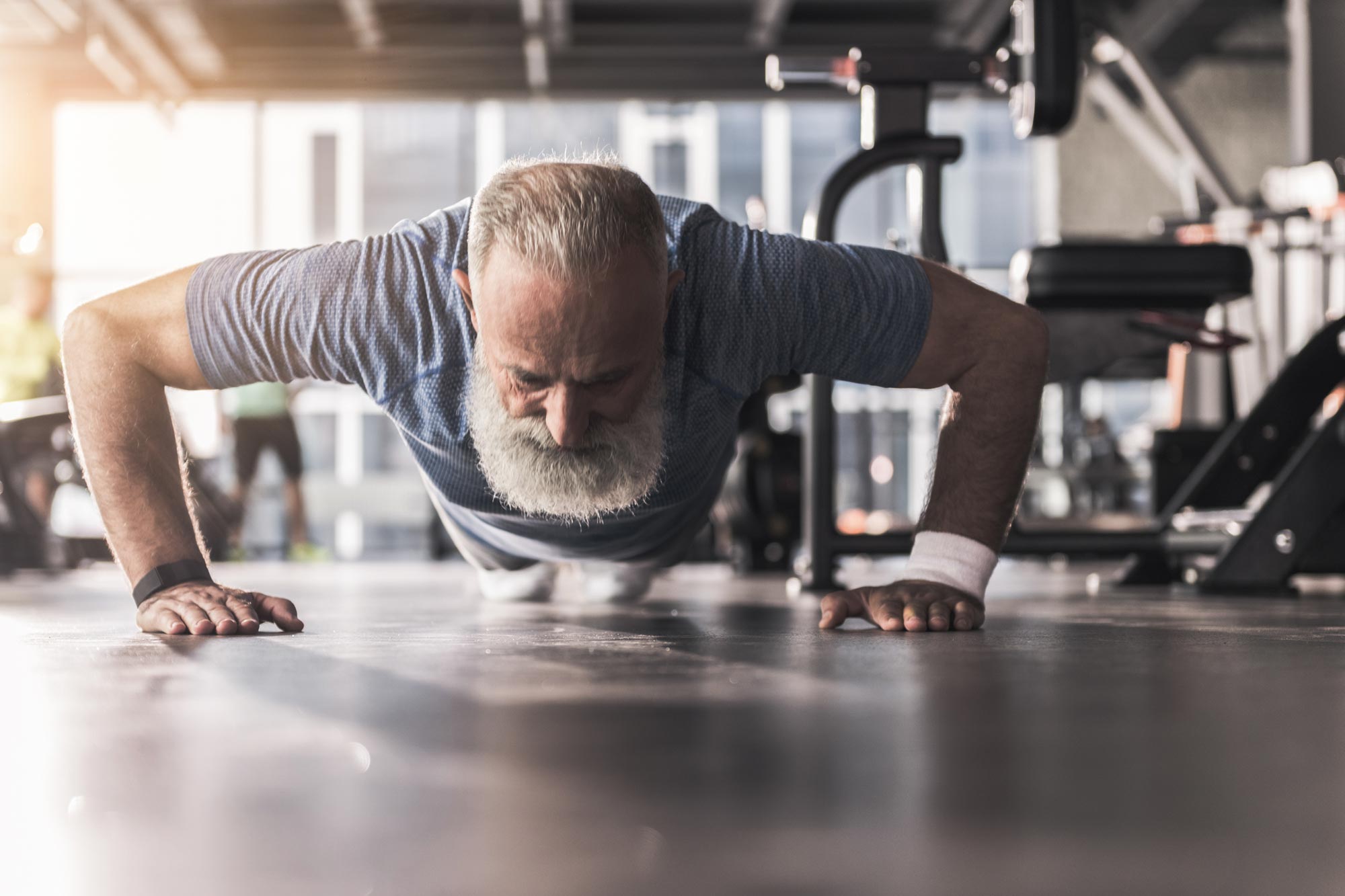
New research indicates that exercise intensity may play a key role in helping older adults lose fat without sacrificing muscle.
High intensity interval training (HIIT) may offer older adults a more efficient way to improve body composition, according to new research led by scientists at the University of the Sunshine Coast (UniSC). The study suggests that while many forms of exercise can reduce body fat, the intensity of the workout plays a critical role in preserving muscle mass as people age.
“We found that high, medium, and low intensity exercises all led to modest fat loss but only HIIT retained lean muscle,” said lead author and exercise physiologist Dr. Grace Rose of the University of the Sunshine Coast.
Researchers set out to understand how different training intensities affect fat and muscle in healthy older adults. Maintaining muscle is considered particularly important in later life, as muscle loss can reduce mobility, increase frailty, and raise the risk of chronic disease.
Comparing Exercise Intensities
“While moderate training reduced fat mass, it also caused a small decline in lean muscle,” she said.
“Both high and moderate intensities improved the composition of weight carried around the middle. Further analysis is needed of the low intensity results.”
Dr. Rose explained that these findings are meaningful because changes in body composition are strongly associated with the onset and progression of conditions such as cardiovascular disease, type 2 diabetes, and other age-related illnesses.
Study Participants and Design
The study followed more than 120 healthy older adults from the Greater Brisbane region. Participants attended three gym-based exercise sessions each week for six months, allowing researchers to track how consistent training at different intensities influenced physical outcomes over time.
The average participant was 72 years old, with an average body mass index of 26kg/m2, which is considered normal for adults aged over 65.
UniSC Associate Professor of Physiology and co-author Mia Schaumberg highlighted the broader relevance of the research, which was published in the journal Maturitas. The project brought together experts from UniSC’s Healthy Ageing Research Cluster and The University of Queensland, reflecting a growing focus on evidence-based exercise strategies to support healthy aging.
“With the festive season now behind most of us and New Year’s resolutions in full swing, this research can help inform people’s plans for healthy aging in 2026,” she said.
“High intensity training in this study involved repeated short bursts, or intervals, of very hard exercise – where breathing is heavy and conversation is difficult – alternated with easier recovery periods.
“HIIT likely works better because it puts more stress on the muscles, giving the body a stronger signal to keep muscle tissue rather than lose it.”
Reference: “Exercise intensity influences body composition: a 6-month comparison of high-intensity interval, moderate- and low-intensity training among healthy older adults” by Grace Rose, Emily Hume, Daniel Blackmore, Jules Mitchell, Samuel Belford, Tina Skinner, Maryam Ziaei, Stephan Riek, Perry Bartlett and Mia Schaumberg, 30 October 2025, Maturitas.
DOI: 10.1016/j.maturitas.2025.108763
Never miss a breakthrough: Join the SciTechDaily newsletter.
Follow us on Google and Google News.
1 Comment
Back pain for long, X-ray shows damaged discs etc , got an Epidural injection but no much difference,an advice please.
NB: It’s my mom of 87yrs