
A new study identifies the non-native species most likely to invade the Antarctic Peninsula region over the next decade. It provides a baseline for all operators in the region to look at mitigation measures. The study is published in the journal Global Change Biology today, January 13, 2020.
Fragile polar biological communities in marine and terrestrial Antarctic habitats are vulnerable to invasion by species from other parts of the world. In some cases they can have devastating effects. Lead author Dr. Kevin Hughes, an environmental researcher at British Antarctic Survey (BAS), worked with an international team of researchers to identify which non-native species are most likely to threaten biodiversity and ecosystems in the Antarctic Peninsula region.
The team studied hundreds of academic papers, reports, and databases, to find species most likely to invade the Antarctic Peninsula region. Of the 103 species considered in detail, 13 were identified as most likely to invade.
Dr. Hughes says: “The Antarctica Peninsula region is by far the busiest and most visited part of Antarctica due to growing tourism and scientific research activities. Non-native species can be transported to Antarctica by many different means. Visitors can carry seeds and non-sterile soil attached to their clothing and footwear. Imported cargo, vehicles and fresh food supplies can hide species, including insects, plants, and even rats and mice. Marine species present a particular problem as they can be transported to Antarctica attached to ship hulls. They can be very difficult to remove once established.”
BAS marine biologist and co-author Dr. David Barnes says:
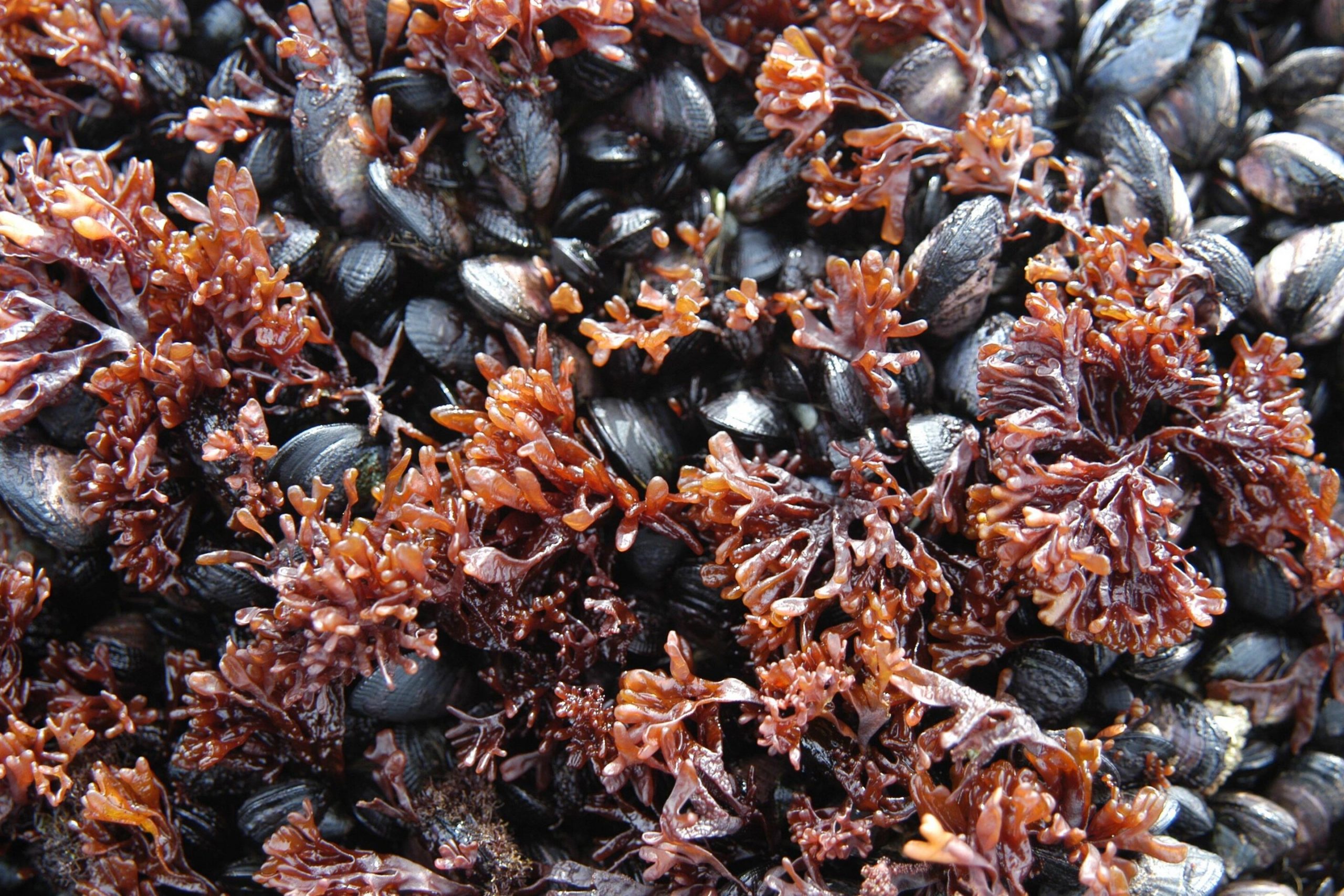
“Marine invertebrates such as mussels and crabs are top of the list of species considered most likely to invade the Antarctic Peninsula region, but flowering plants such as button weeds (e.g. Leptinella scariosa) and mites and springtails were also identified. We know mussels can survive in polar waters, and can spread easily. When they establish they can dominate life by smothering the native marine animals that live on the seabed.”
Some of the sub-Antarctic islands such as Marion Island and South Georgia have already been invaded by rats, mice or other vertebrates. However, this is not expected to happen on the Antarctic Peninsula anytime soon.
Professor Helen Roy, an ecologist at the UK Centre for Ecology & Hydrology who oversaw the study, says:
“We think the conditions in the Antarctic Peninsula region will remain too extreme to allow rodents to colonize outside. However, rats and mice could survive by hiding within research station buildings, so everyone needs to remain vigilant for droppings and gnaw marks.”
Some non-native species have already established themselves near research stations and visitor sites. Eradication of invasive species is possible but has proven difficult and costly. Professor Roy continues:
“It is critical to ensure that comprehensive biosecurity checks are implemented by all visitors coming to the area to prevent invasive non-native species from getting to Antarctica in the first place. Only then will we be able to reduce the risks and protect these amazing, but vulnerable Antarctic communities from the threat of invasive non-native species.”
Reference: “Invasive non-native species likely to threaten biodiversity and ecosystems in the Antarctic Peninsula region” by Kevin A. Hughes, Oliver L. Pescott, Jodey Peyton, Tim Adriaens, Elizabeth J. Cottier-Cook, Gillian Key, Wolfgang Rabitsch, Elena Tricarico, David K. A. Barnes, Naomi Baxter, Mark Belchier, Denise Blake, Peter Convey, Wayne Dawson, Danielle Frohlich, Lauren Gardiner, Pablo Gonzalez-Moreno, Ross James, Christopher Malumphy, Stephanie Martin, Angeliki F. Martinou, Dan Minchin, Andrea Monaco, Niall Moore, Simon A. Morley, Katherine Ross, Jonathan Shanklin, Katharine Turvey, David Vaughan, Alexander G. C. Vaux, Victoria Werenkraut, Ian J. Winfield and Helen E. Roy, 13 January 2020, journal Global Change Biology.
DOI: 10.1111/gcb.14938
This study was funded by the UK Government through the GB Non-Native Species Secretariat and Natural Environment Research Council (NERC-UKRI), and includes scientists from Argentina, Austria, Belgium, Cyprus, Ireland, Italy, Spain, the United Kingdom (including its Overseas Territories of the British Antarctic Territory, Falkland Islands, South Georgia & the South Sandwich Islands and Tristan da Cunha) and the United States.
Table 1. List of the invaders most likely to impact the Antarctic Peninsula region in the next 10 years.
No. | Species | Common name | Broad Group
- Mytilus chilensis | Chilean mussel | Marine invertebrate
- Mytilus edulis | Common blue mussel | Marine invertebrate
- Protaphorura fimata | Springtail | Terrestrial invertebrate
- Nanorchestes antarcticus | Mite | Terrestrial invertebrate
- Halicarcinus planatus | Flattened crab | Marine invertebrate
- Ciona intestinalis | Sea vase | Marine invertebrate
- Leptinella scariosa | A buttonweed | Terrestrial plant
- Botryllus schlosseri | Colonial Ascidian | Marine invertebrate
- Carcinus maenas | European shore crab | Marine invertebrate
- Undaria pinnatifida | Asian kelp | Marine algae
- Leptinella plumosa | A buttonweed | Terrestrial plant
- Chaetopterus variopedatus | Parchment worm | Marine invertebrate
- Mytilus galloprovincialis | Mediterranean mussel | Marine invertebrate
- Antarctic is governed through consensus by an international consortium of nations through the Antarctic Treaty System.
- Nations operating scientific programs and regulating tourism and fishing activities in Antarctica are required to maintaining high environmental standards.
- The Protocol on Environmental Protection to the Antarctic Treaty prohibits the introduction of any non-native species, unless if is for scientific purposes and a permit has been issued.
- The British Antarctic Survey has put in place biosecurity checks and measures to reduce the risk of non-native introductions.
British Antarctic Survey (BAS), an institute of the Natural Environment Research Council (NERC), delivers and enables world-leading interdisciplinary research in the Polar Regions. Its skilled science and support staff based in Cambridge, Antarctica, and the Arctic, work together to deliver research that uses the Polar Regions to advance our understanding of Earth as a sustainable planet. Through its extensive logistic capability and know-how BAS facilitates access for the British and international science community to the UK polar research operation. Numerous national and international collaborations, combined with an excellent infrastructure help sustain a world-leading position for the UK in Antarctic affairs.
The UK Centre for Ecology & Hydrology (UKCEH) is a center for excellence in environmental science across water, land, and air. Our 500 scientists work to understand the environment, how it sustains life, and the human impact on it – so that together, people and nature can prosper. We have a long history of investigating, monitoring, and modeling environmental change, and our science makes a positive difference in the world. The issues our science addresses include: air pollution, biodiversity, biosecurity, chemical risks, extreme weather events, droughts, floods, greenhouse gas emissions, land use, soil health, sustainable agriculture, sustainable ecosystems, sustainable macronutrient use, and water resources management.
The UK Centre for Ecology & Hydrology is a strategic delivery partner for the Natural Environment Research Council, part of UK Research and Innovation.
Never miss a breakthrough: Join the SciTechDaily newsletter.
Follow us on Google and Google News.
2 Comments
‘Alien species invasion” begins the headline to this article. This type of clickbait headline greatly offends me. I will now avoid articles and material from this website because the disappointment of learning “alien” has been redefined to “other Earth species” is unacceptable. No wonder I and more and more people express their increasing lack of believability in the truthfulness of internet news.
Come on get it right!