
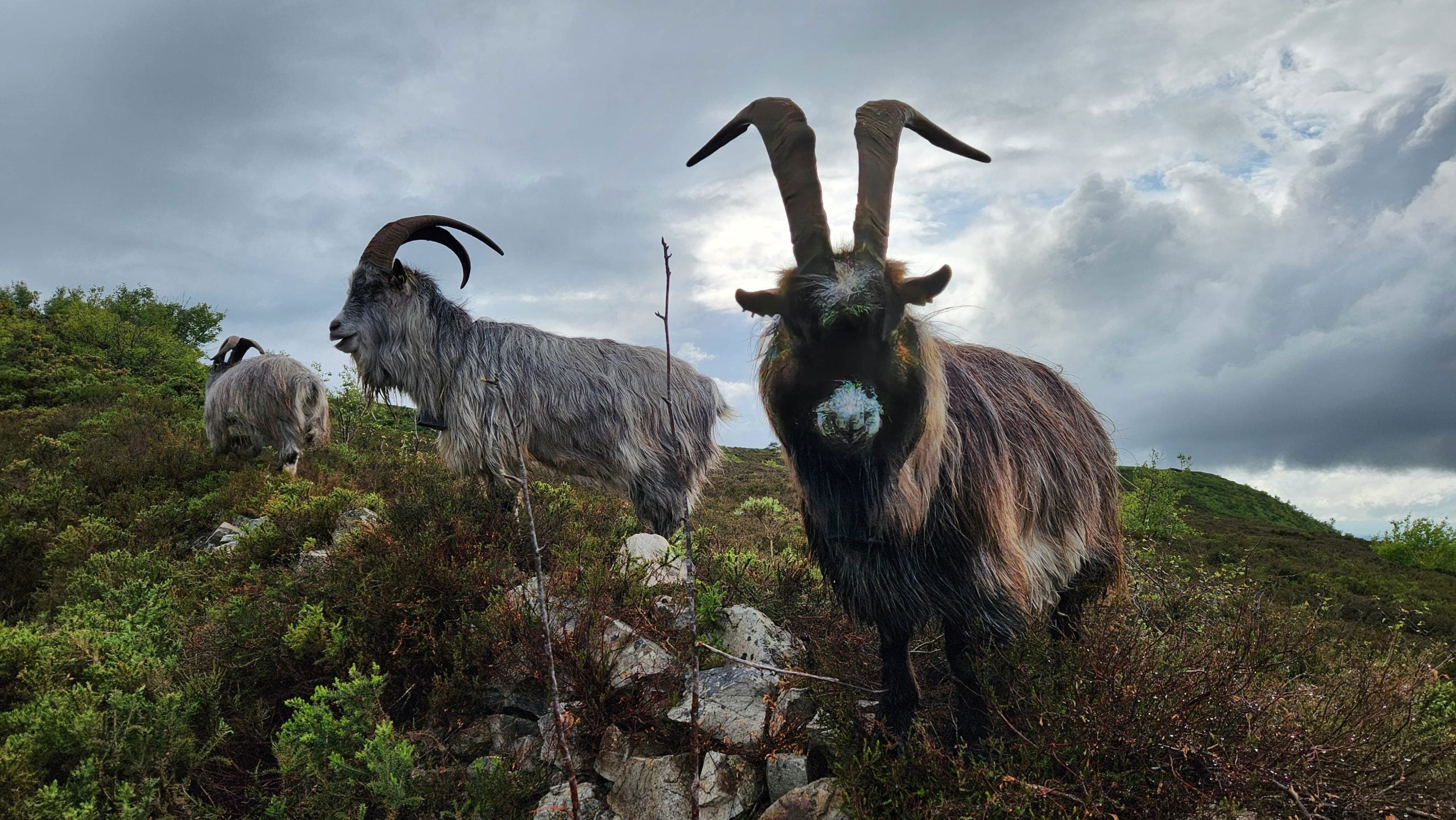
Ancient DNA and protein analysis reveal that modern Old Irish Goats are closely related to Bronze Age populations. This continuity highlights both their historical importance and the need for conservation.
New findings show that the Old Irish Goat is genetically connected to animals that lived in Ireland around 3,000 years ago during the Late Bronze Age.
This research indicates that the rare native breed has maintained a continuous lineage on the island over thousands of years.
The study, led by University College Dublin in partnership with Queen’s University Belfast and international collaborators, uses biomolecular and archaeological evidence published in the Journal of Archaeological Science to reshape current views of Ireland’s farming history. It also strengthens the case for preserving the Old Irish Goat as a direct link to early agricultural life.
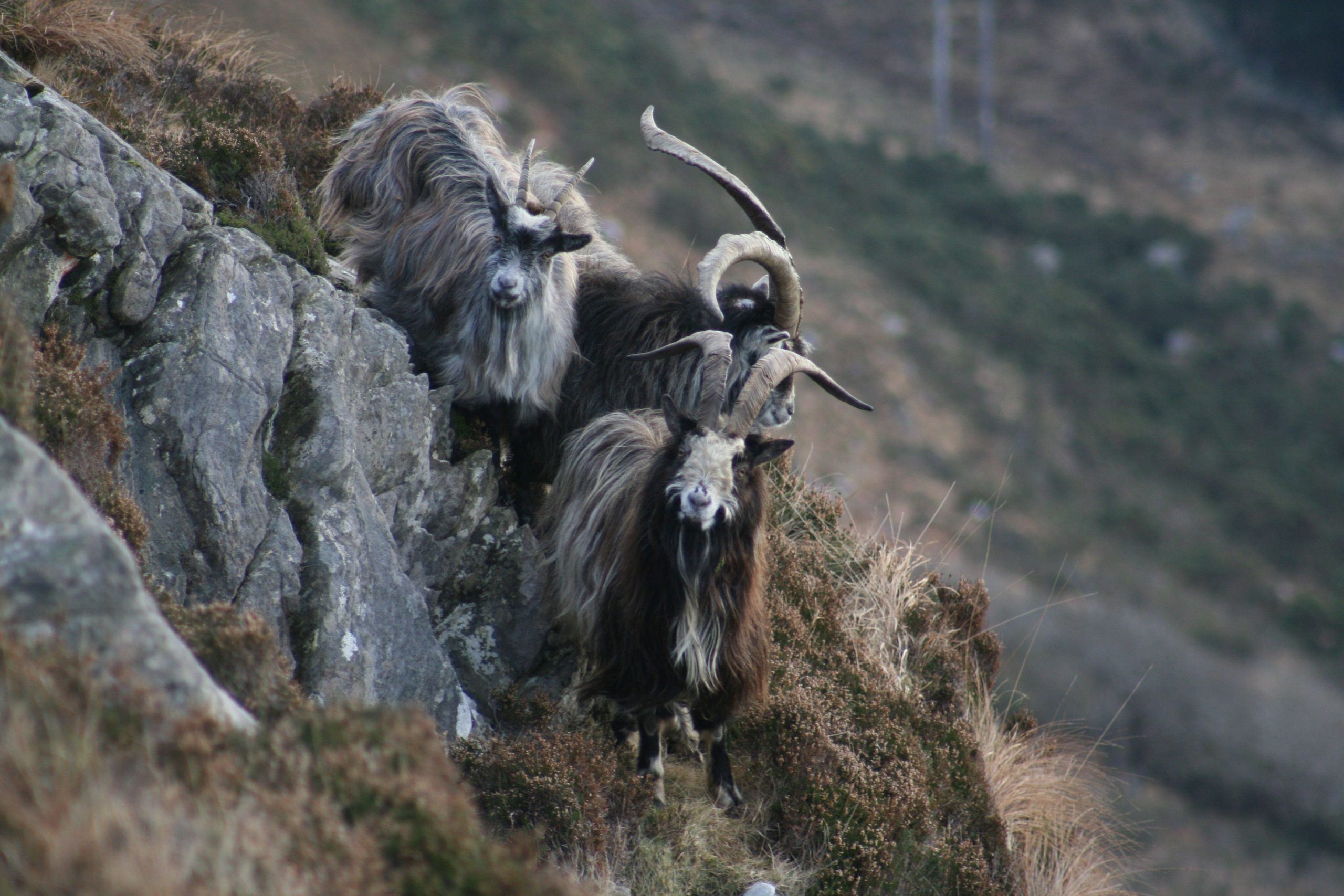
Oldest goat remains in Ireland
The research team examined goat bones recovered from Haughey’s Fort in Co Armagh, dating to approximately 1100–900 BCE, along with material from the medieval settlement of Carrickfergus in Co Antrim.
Using radiocarbon dating alongside genetic and protein-based techniques, the team confirmed that the Bronze Age specimens represent the earliest known goat remains found in Ireland.
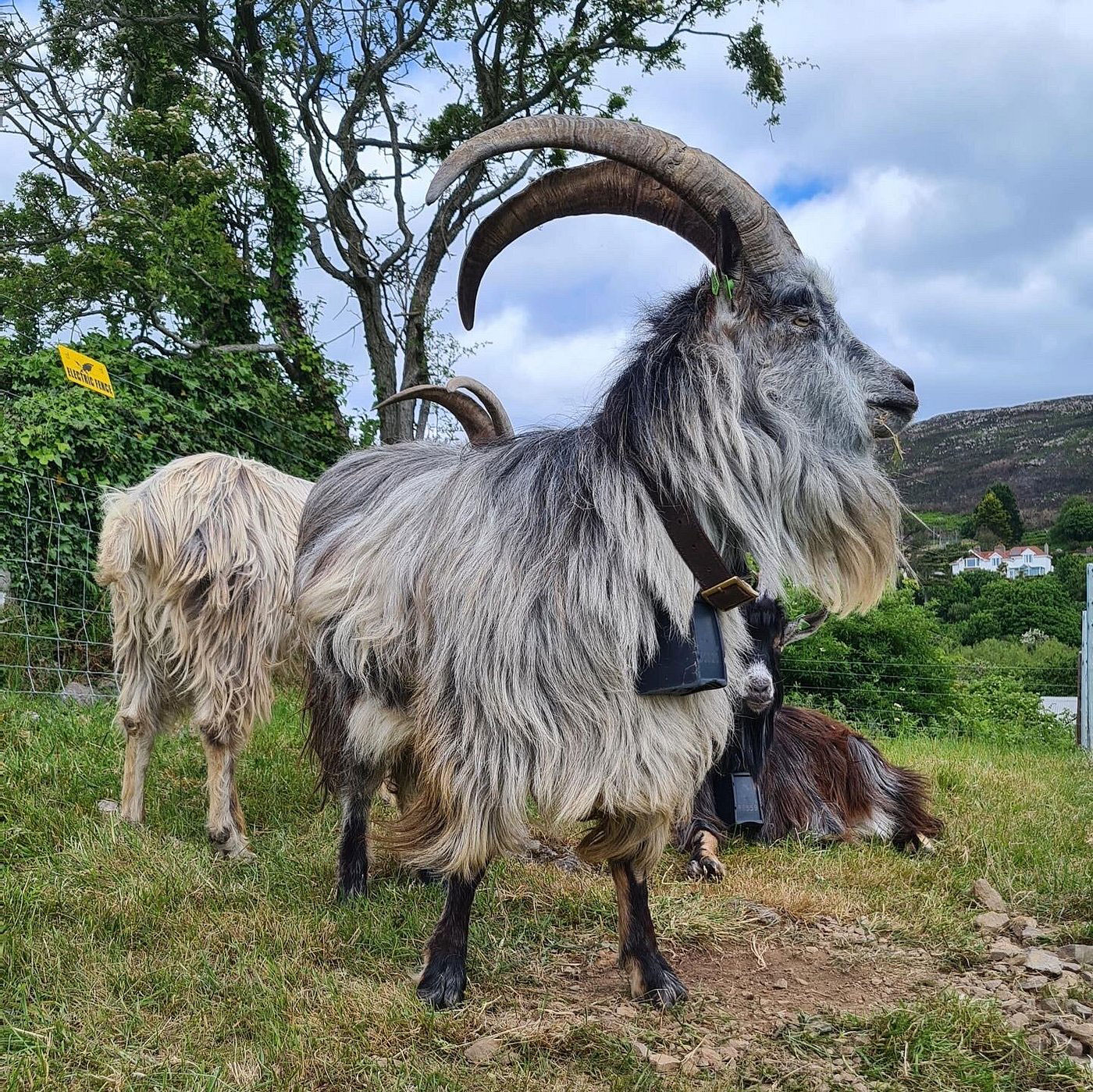
Genetic comparisons showed that these ancient animals are most closely related to the critically endangered Old Irish Goat population that still exists today.
“Combining genetics, proteomics, and archaeological science has allowed us a glimpse of our animals hundreds and thousands of years ago – and how their descendants likely still live with us, as part of our biocultural heritage,” said co-lead author Assistant Professor Kevin Daly, School of Agriculture and Food Science.
Deeply rooted in Irish folklore
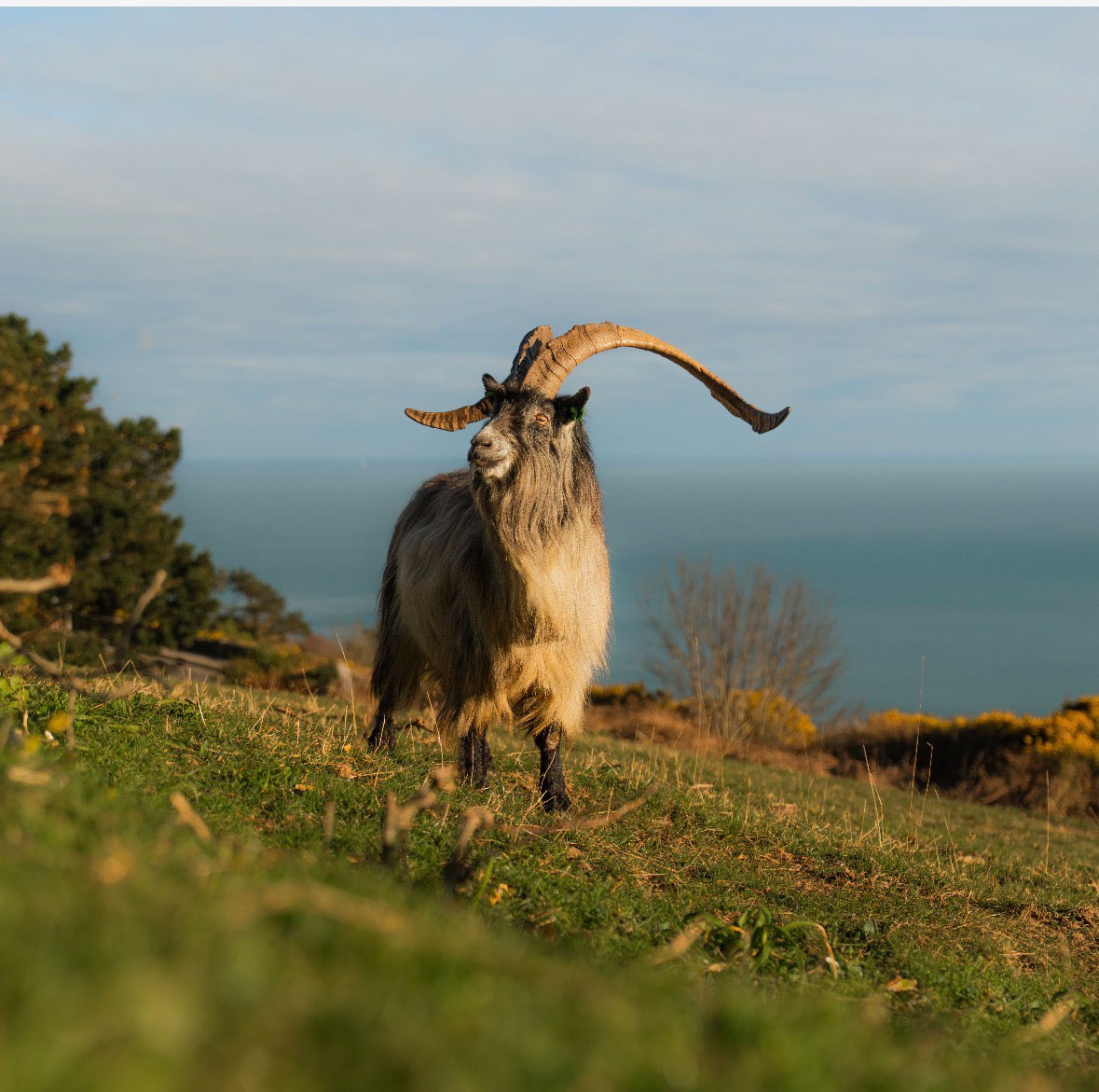
Historically known as ‘an Gabhar Fiáin’, meaning the wild goat, the Old Irish Goat has long been part of Irish folklore. Today, it survives in small wild-roaming (feral) populations and has traditionally been associated with resilience, independence, and life in marginal rural environments, where its ability to thrive on limited resources and produce nutrient-rich milk made it valuable to small-scale farmers.
While cattle dominate many of Ireland’s well-known myths, goats tend to appear in local traditions, place names, and seasonal customs.
One of the most recognizable examples is Puck Fair in Killorglin, Co Kerry, often described as one of the country’s oldest festivals.
Each year in August, a goat is taken from the mountains and crowned “King Puck”, presiding over three days of festivities. Although the origins of the event are uncertain, it reflects the long-standing connection between goats and local communities.
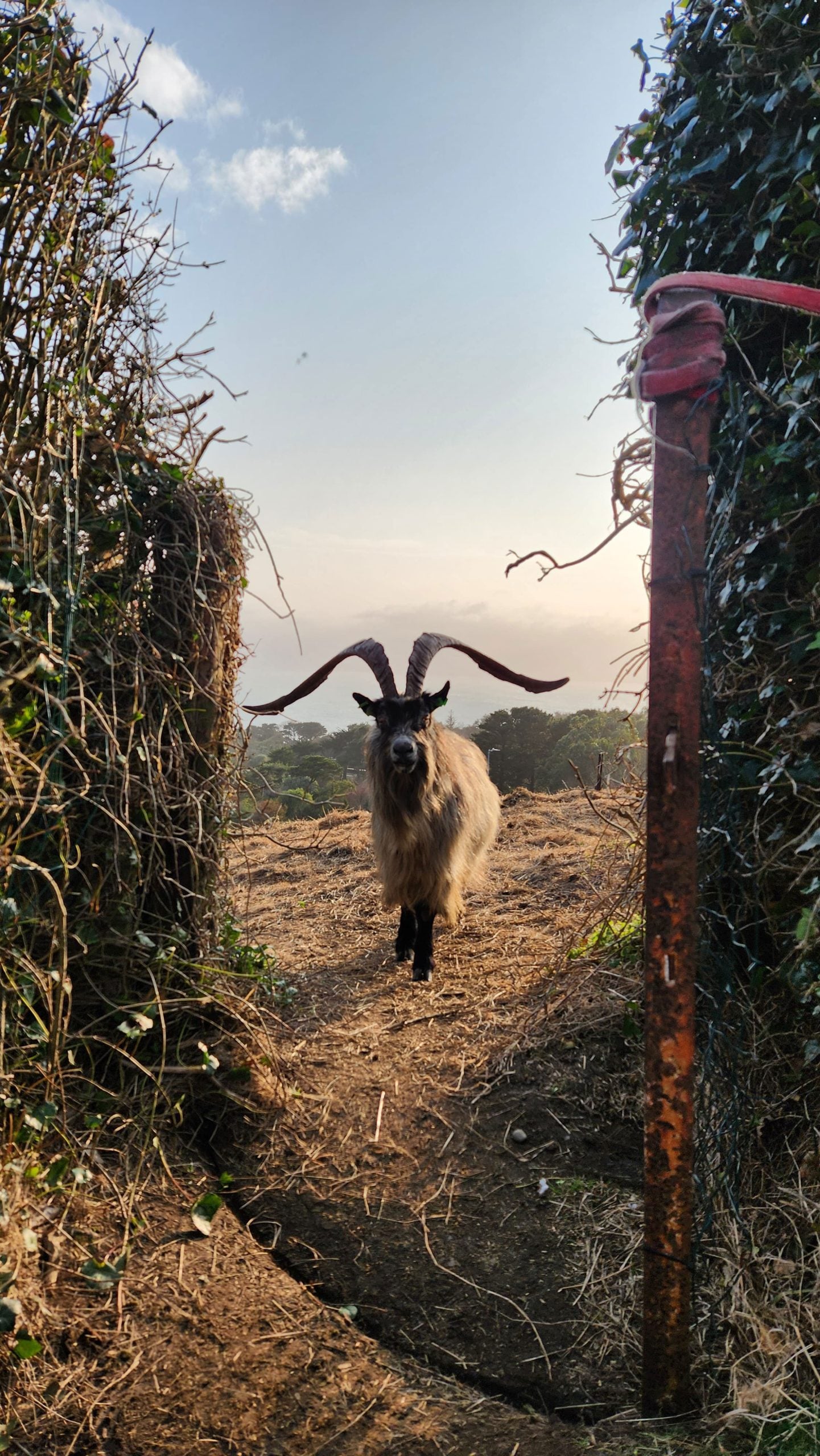
“Despite thousands of years, changing farming practices, and recent decline, these goats have retained a remarkable genetic connection to their ancestors, and to the island’s agricultural past,” Dr Jolijn Erven, co-lead author of the study.
“Goats tend to get overlooked compared to sheep in the archaeological record because it is notoriously difficult to distinguish between their bones. There is an assumption that sheep would have been more important than goats in the past but historical sources suggest that herds of goats may have been kept to supply a trade in skins from ports such as Carrickfergus,” said co-lead author Professor Eileen Murphy, Queen’s University Belfast.
Studying ancient DNA
To accurately identify goat remains, the researchers first used protein fingerprinting (ZooMS), which detects species through tiny traces of preserved collagen.
They then extracted and sequenced ancient DNA, enabling comparisons between Bronze Age, medieval, and modern goat populations from around the world.
The results showed that goats from both prehistoric and medieval Ireland are genetically closest to today’s Old Irish Goat, demonstrating a long and continuous presence on the island.
The study also provides insight into more recent genetic changes.
Medieval goats displayed greater diversity, while modern Old Irish Goats show signs of inbreeding linked to a sharp population decline in recent decades.
This suggests that the current genetic bottleneck is a relatively recent development rather than a long-term characteristic of Irish goat populations.
“This research is a huge milestone for the Old Irish Goat, and provides powerful scientific validation of what local communities and conservationists have long believed – that the Old Irish Goat represents a living piece of our ancient heritage. It also underscores the urgency of protecting this critically endangered breed, which carries within it a living genetic record of Ireland’s ancient past,” said ” said Sinead Keane, from The Old Irish Goat Society.
“The advancements in biomolecular and genetic analysis are very exciting, and have now opened up a new opportunity to revisit Ireland’s archaeological and archaeogenetic records, which may in time reveal that Ireland’s early goat history is even richer than currently understood.”
The authors also noted that co-lead author Dr. Judith Findlater of Queen’s University Belfast sadly passed away prior to publication. Aspects of the study were undertaken as part of her PhD research on Medieval Carrickfergus.
Reference: “Old goats: 3,000 years of genetic connectivity of the domestic goat in Ireland” by Judith Findlater, Jolijn A. M. Erven, Alex Siekmann, Valeria Mattiangeli, Eileen Murphy and Kevin G. Daly, 19 February 2026, Journal of Archaeological Science.
DOI: 10.1016/j.jas.2026.106516
Disclosure: The authors of this study would like to acknowledge the contributions of co-lead Dr Judith Findlater, from Queen’s University Belfast, who sadly passed away prior to publication. Aspects of the study were undertaken as part of her PhD research on Medieval Carrickfergus.
Never miss a breakthrough: Join the SciTechDaily newsletter.
Follow us on Google and Google News.