
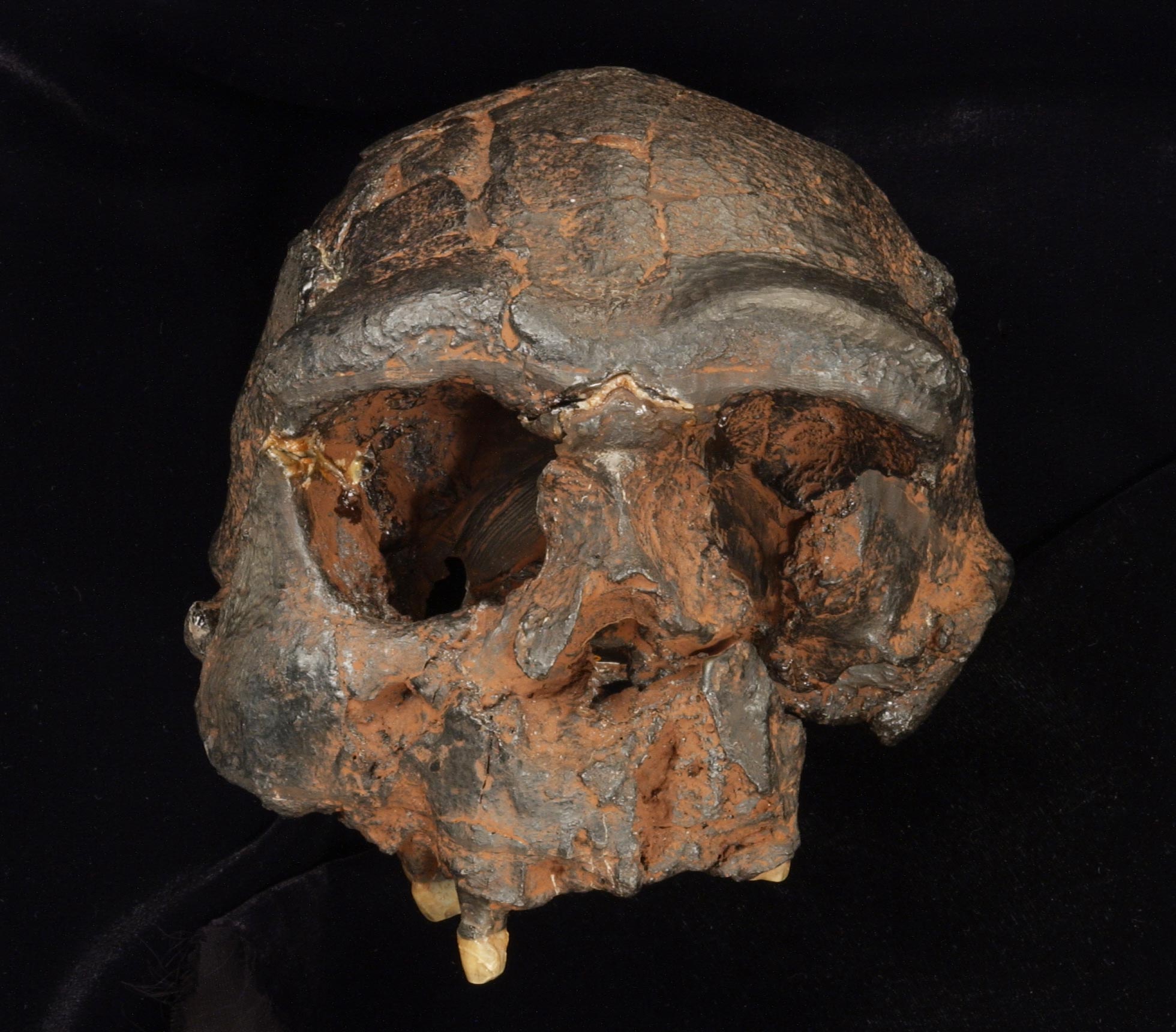
Genetic research confirms Denisovan ancestry in Southeast Asia but finds no interbreeding with other known ancient human species, raising questions about the fossil record.
In a new study published in Nature Ecology and Evolution, researchers examined the genomes of more than 400 modern humans to investigate the interbreeding events between ancient humans and modern human populations who arrived at Island Southeast Asia 50,000–60,000 years ago.
An international group of researchers including experts from the Natural History Museum and led by the University of Adelaide has conducted a comprehensive genetic analysis and found no evidence of interbreeding between modern humans and the ancient humans known from fossil records in Island Southeast Asia. The team found further DNA evidence of our mysterious ancient cousins, the Denisovans, which could mean there are major discoveries to come in the region.
In the study published in Nature Ecology and Evolution, the researchers examined the genomes of more than 400 modern humans to investigate the interbreeding events between ancient humans and modern human populations who arrived at Island Southeast Asia 50,000–60,000 years ago.
In particular, they focused on detecting signatures that suggest interbreeding from deeply divergent species known from the fossil record of the area.
Fossil Record vs. Genetic Evidence
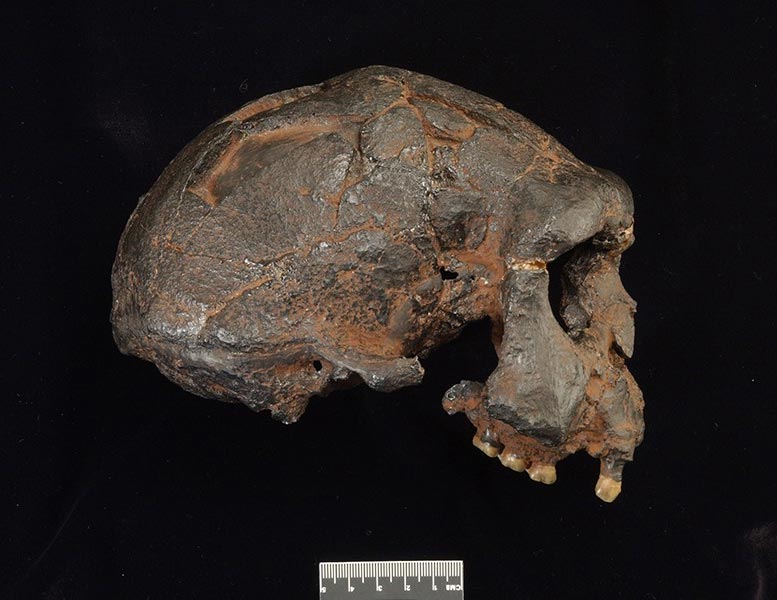
The region contains one of the richest fossil records (from at least 1.6 million years) documenting human evolution in the world. Currently there are three distinct ancient humans recognized from the fossil record in the area: Homo erectus, Homo floresiensis (known as Flores Island hobbits) and Homo luzonensis.
These species are known to have survived until approximately 50,000–60,000 years ago in the cases of Homo floresiensis and Homo luzonensis, and approximately 108,000 years for Homo erectus, which means they may have overlapped with the arrival of modern human populations.
The results of the study showed no evidence of interbreeding. Nevertheless, the team was able to confirm previous results showing high levels of Denisovan ancestry in the region.
Lead author and ARC Research Associate from the University of Adelaide Dr. João Teixeira, said: “In contrast to our other cousins the Neanderthals, which have an extensive fossil record in Europe, the Denisovans are known almost solely from the DNA record. The only physical evidence of Denisovan existence has been a finger bone and some other fragments found in a cave in Siberia and, more recently, a piece of jaw found in the Tibetan Plateau.”
“We know from our own genetic records that the Denisovans mixed with modern humans who came out of Africa 50,000–60,000 years ago both in Asia, and as the modern humans moved through Island Southeast Asia on their way to Australia. The levels of Denisovan DNA in contemporary populations indicates that significant interbreeding happened in Island Southeast Asia. The mystery then remains, why haven’t we found their fossils alongside the other ancient humans in the region? Do we need to re-examine the existing fossil record to consider other possibilities?”
Fossils, Timelines, and Evolutionary Gaps
Co-author Prof Chris Stringer of the Natural History Museum added: “While the known fossils of Homo erectus, Homo floresiensis and Homo luzonensis might seem to be in the right place and time to represent the mysterious ‘southern Denisovans’, their ancestors were likely to have been in Island Southeast Asia at least 700,000 years ago. Meaning their lineages are too ancient to represent the Denisovans who, from their DNA, were more closely related to the Neanderthals and modern humans.”
Co-author Prof Kris Helgen, Chief Scientist and Director of the Australian Museum Research Institute, said: “These analyses provide an important window into human evolution in a fascinating region, and demonstrate the need for more archaeological research in the region between mainland Asia and Australia.”
Prof Helgen added: “This research also illuminates a pattern of ‘megafaunal’ survival which coincides with known areas of pre-modern human occupation in this part of the world. Large animals that survive today in the region include the Komodo Dragon, the Babirusa (a pig with remarkable upturned tusks), and the Tamaraw and Anoas (small wild buffalos). This hints that long-term exposure to hunting pressure by ancient humans might have facilitated the survival of the megafaunal species in subsequent contacts with modern humans. Areas without documented pre-modern human occurrence, like Australia and New Guinea, saw complete extinction of land animals larger than humans over the past 50,000 years.”
Dr. Teixeira said: “The research corroborates previous studies that the Denisovans were in Island Southeast Asia, and that modern humans did not interbreed with more divergent human groups in the region. This opens two equally exciting possibilities: either a major discovery is on the way, or we need to re-evaluate the current fossil record of Island Southeast Asia.”
“Whichever way you choose to look at it, exciting times lie ahead in paleoanthropology.”
Reference: “Widespread Denisovan ancestry in Island Southeast Asia but no evidence of substantial super-archaic hominin admixture” by João C. Teixeira, Guy S. Jacobs, Chris Stringer, Jonathan Tuke, Georgi Hudjashov, Gludhug A. Purnomo, Herawati Sudoyo, Murray P. Cox, Raymond Tobler, Chris S. M. Turney, Alan Cooper and Kristofer M. Helgen, 22 March 2021, Nature Ecology & Evolution.
DOI: 10.1038/s41559-021-01408-0
Funding: ARC Indigenous Discovery Grant, ARC Laureate Fellowships, Calleva Foundation, Human Origins Research Fund
Never miss a breakthrough: Join the SciTechDaily newsletter.
Follow us on Google and Google News.
5 Comments
Island South Asia…not very localising and poor gramma.
Homo Floresiensis survived well passed 50-60,000 years ago depending on whose papers you read, stating it as a fact is misleading. It is likely that the dating may be correct, but other evidence points to them surviving much later, this will only be established once we have a full DNA analysis that allows accurate dating and morphology to clear up the “fog” that surrounds these diminutive hominids.
It should be made clear in posts that information is open to debate and not a fact.
Sundaland is why we don’t find as much as we think we should. The evidence is at the bottom of the sea.
That’s true. Most of the islands are the hills of Sundaland, and most communities would have thrived in the lowlands, where access to water would have been easier, and hunting/gathering on the plains would have been more plentiful.
Spelling,James?
Denisovan were most likely an animal that primarily fed on over huminin including itself thereby having left little trace of itself, other than within our genes, as we also are inclined to mate with other animals into the present, though producing no offspring.