
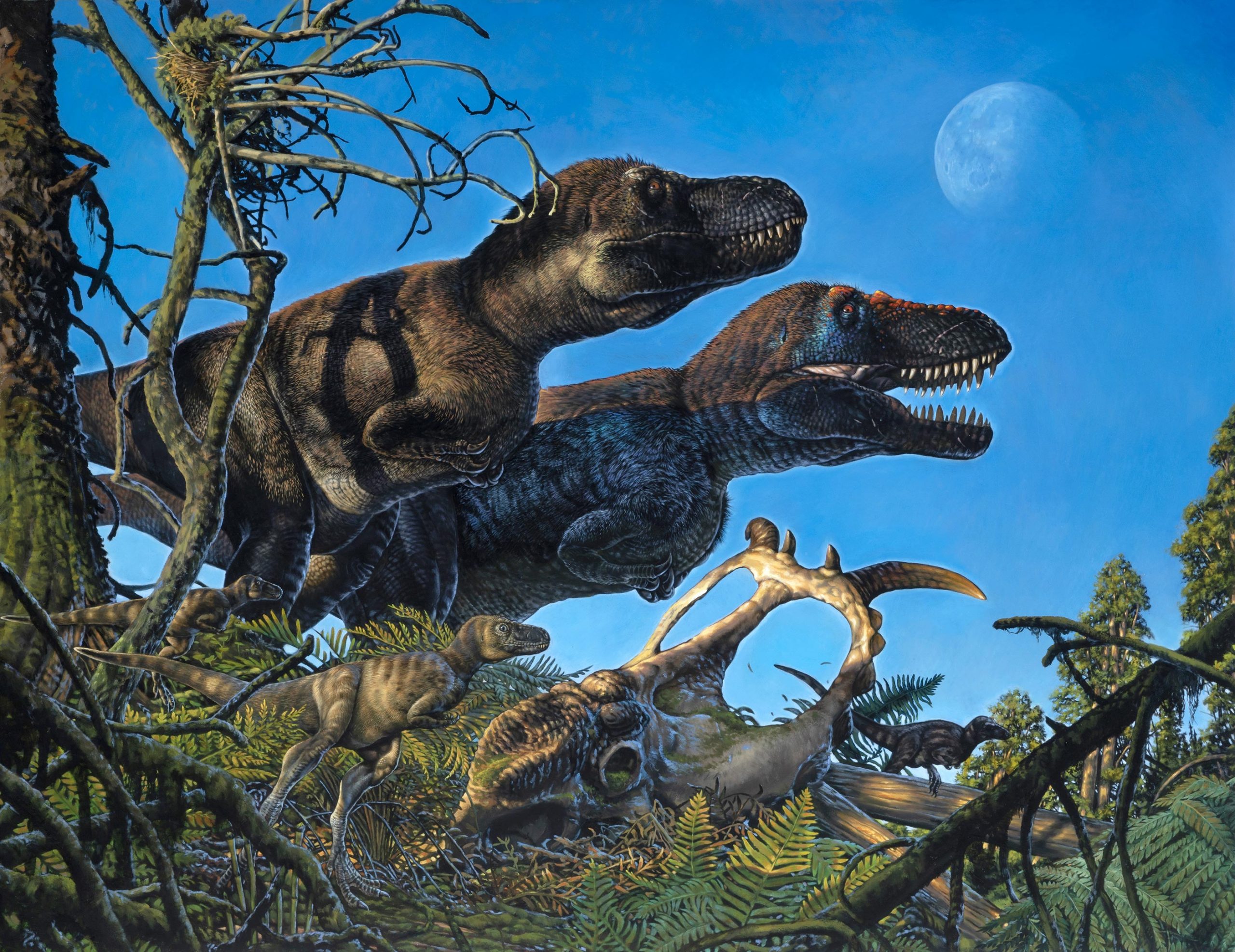
Tiny fossilized bones in Alaska reveal that dinosaurs not only lived but also nested in the Arctic, suggesting warm-blooded physiology and year-round residency.
In the 1950s, researchers made the first unexpected discoveries of dinosaur remains at frigid polar latitudes. Now, researchers reporting in the journal Current Biology on June 24 have uncovered the first convincing evidence that several species of dinosaur not only lived in what’s now Northern Alaska, but they also nested there.
“These represent the northernmost dinosaurs known to have existed,” says Patrick Druckenmiller of the University of Alaska Museum of the North. “We didn’t just demonstrate the presence of perinatal remains — in the egg or just hatched — of one or two species, rather we documented at least seven species of dinosaurs reproducing in the Arctic.”
Previous studies at a handful of other sites provided tantalizing bits of evidence that one or two species of indeterminate dinosaurs were capable of nesting near or just above the Arctic or Antarctic circles, he says, but this study is the first to show unequivocal evidence of nesting at extremely high latitudes. Environmental conditions at this time and place indicate challenging seasonal extremes, with an average annual temperature of about 6 degrees Celsius (about 40 degrees Fahrenheit). There also would have been about four months of full winter darkness with freezing conditions.
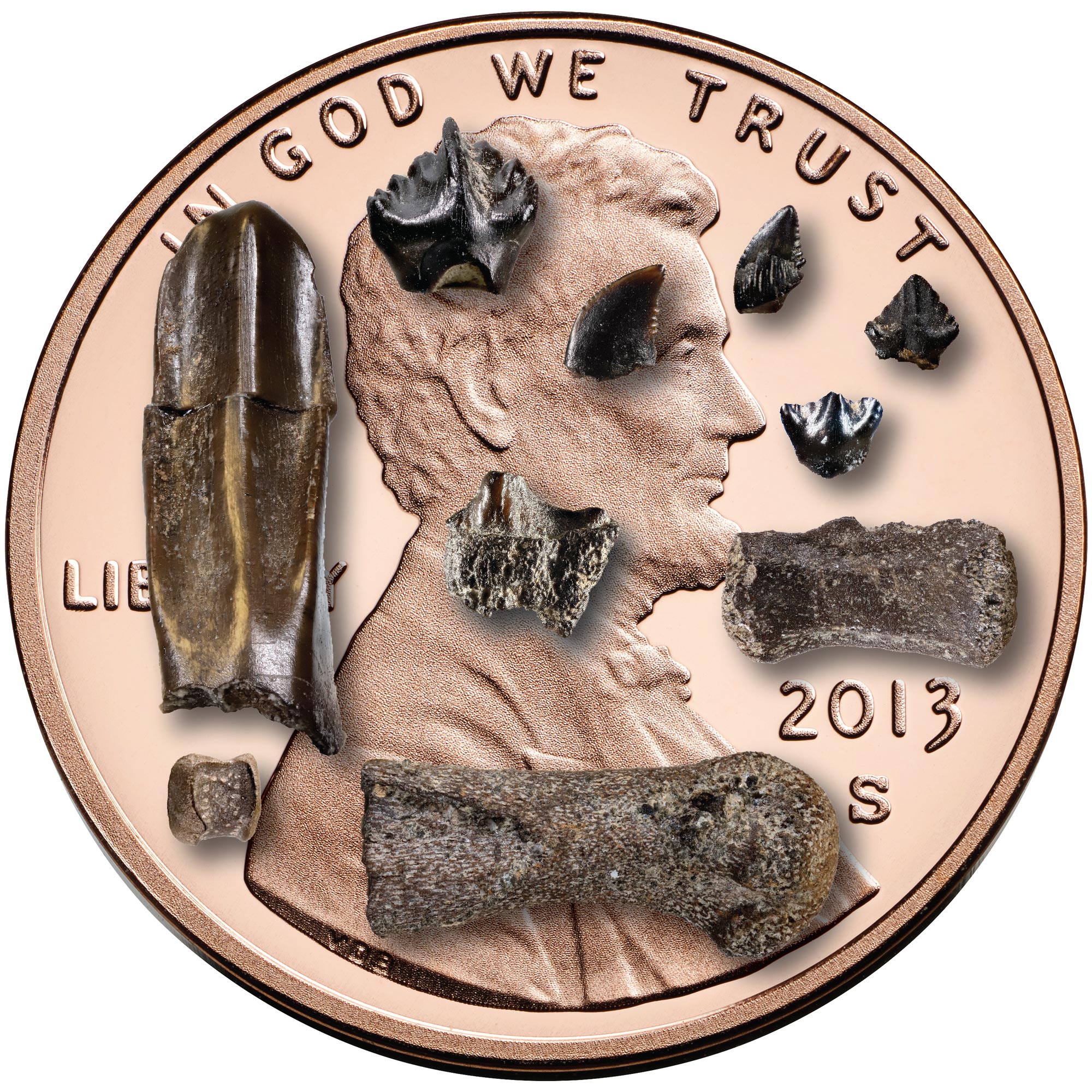
Druckenmiller and co-author Gregory Erickson from Florida State University have a longstanding project to document the ancient Arctic ecosystem of the Prince Creek Formation in Northern Alaska, including its dinosaurs, mammals, and other vertebrates. They also want to know how they lived there, given the challenging environment. The environment is also a difficult place to work.
“The field season is short in the Arctic and access is very difficult — aircraft and small boats are required,” Druckenmiller says. “To make matters more challenging, the only way to see the rocks is in river-cut steep bluffs along the largest river in Northern Alaska, the Colville. These bluffs are dangerous, prone to catastrophic collapses, making it hard to safely find and extract fossils. As such, we have focused on finding discrete bonebed horizons where we can more efficiently excavate many bones. In the process, we’ve also discovered numerous new microfossil deposits that have provided for a wealth of new knowledge about the whole ecosystem that lived in the Arctic over 70 million years ago.”
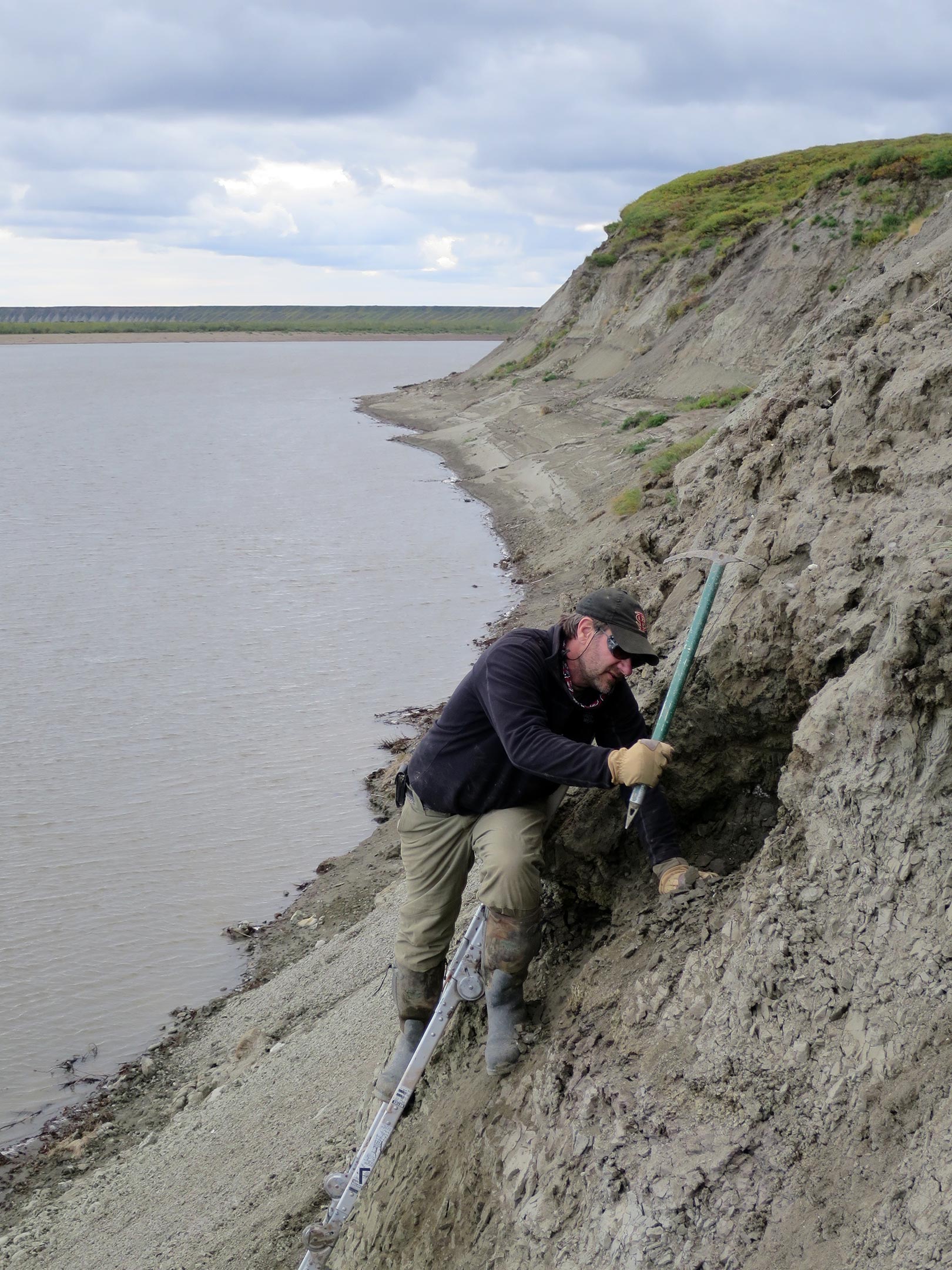
Fossil Evidence of Baby Dinosaurs
Over the course of about a decade of painstaking work, the researchers, aided by many students they’ve enlisted over the years, have now found hundreds of small baby dinosaur bones, including tiny teeth from individuals that were either still in the egg or had just hatched out. The Arctic dinosaurs they’ve uncovered include small- and large-bodied herbivorous species including hadrosaurids (duck-billed dinosaurs), ceratopsians (horned dinosaurs and leptoceratopsians), thescelosaurs and carnivores (tyrannosaurs, troodontids, and dromaeosaurs).
“It wasn’t that long ago that the idea of finding any dinosaurs in such extreme latitudes and environments was a surprise,” Druckenmiller says. “To then find out that most if not all of those species also reproduced in the Arctic is really remarkable. We have long been asked, ‘Have you found any eggs?’ To that we have, and still answer ‘no.’ But, we have something much better: the actual baby dinosaurs themselves.”
The findings add to evidence that the dinosaurs didn’t just spend time at these extreme latitudes, but they most likely lived there as year-round residents. Their evidence suggests both smaller dinosaurs and larger species, such as duck-billed dinosaurs, horned dinosaurs, and a tyrannosaur that more likely could have migrated to warmer climes, resided in the Arctic.
Warm-Blooded Adaptations in a Freezing World
“Year-round residency in the Arctic provides a natural test of dinosaurian physiology,” Erickson says. “Cold-blooded terrestrial vertebrates like amphibians, lizards, and crocodilians have yet to be found, only warm-blooded birds and mammals — and dinosaurs. I think that this is some of the most compelling evidence that dinosaurs were in fact warm-blooded.”
Erickson says they now have new questions about how dinosaurs survived Arctic winters. It’s likely they had unique strategies to cope with darkness, cold temperatures, and food limitation, the researchers say.
For more on this discovery, read Research Team Discovers Arctic Dinosaur Nursery.
Reference: “Nesting at Extreme Polar Latitudes by Non-Avian Dinosaurs” by Patrick S. Druckenmiller, Gregory M. Erickson, Donald Brinkman, Caleb M. Brown and Jaelyn J. Eberle, 24 June 2021, Current Biology.
DOI: 10.1016/j.cub.2021.05.041
Never miss a breakthrough: Join the SciTechDaily newsletter.
Follow us on Google and Google News.