
Close Menu
    Facebook X (Twitter) Instagram
    SciTechDaily
    • Biology
    • Chemistry
    • Earth
    • Health
    • Physics
    • Science
    • Space
    • Technology
    Facebook X (Twitter) Pinterest YouTube RSS
    SciTechDaily
    Home»Science»Archaeologists Uncover 5,500-Year-Old Ceremonial Site in Jordan, Unlocking a Bronze Age Mystery
    Science

    Archaeologists Uncover 5,500-Year-Old Ceremonial Site in Jordan, Unlocking a Bronze Age Mystery

    By University of CopenhagenOctober 20, 2025No Comments2 Mins Read
    Facebook Twitter Pinterest Telegram LinkedIn WhatsApp Email Reddit
    Share
    Facebook Twitter LinkedIn Pinterest Telegram Email Reddit
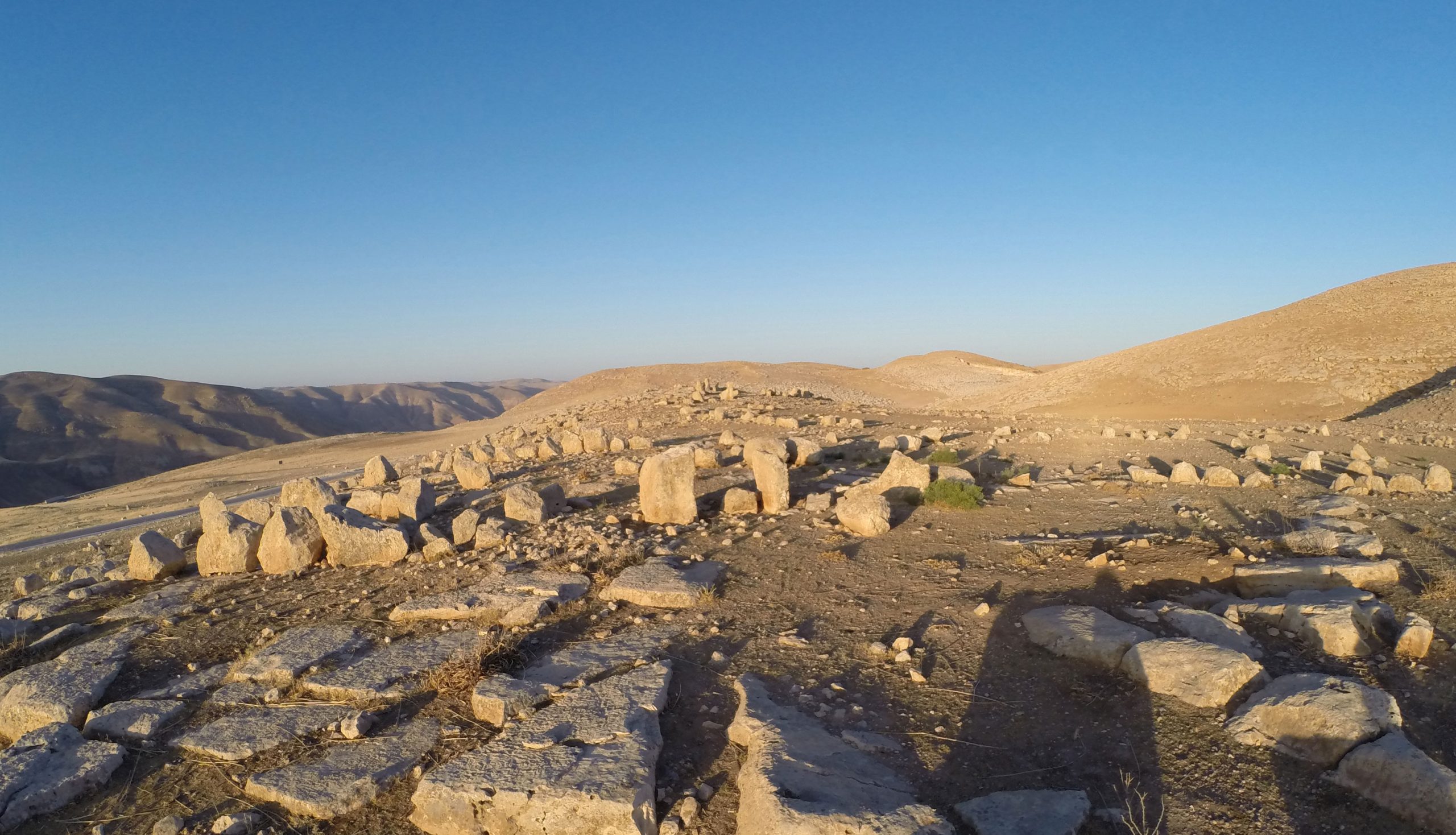
    Murayghat Site
    Overview of the the Murayghat site in Jordan. Credit: Susanne Kerner, University of Copenhagen

    A research team has uncovered an extraordinary Early Bronze Age ritual landscape at Murayghat in Jordan, offering valuable insights into how ancient communities adapted to social and environmental changes.

    How did ancient societies react when their familiar world fell apart? Archaeological work at Murayghat, a 5,500-year-old Early Bronze Age site in Jordan excavated by researchers from the University of Copenhagen, may offer important clues.

    Murayghat developed following the decline of the Chalcolithic culture (ca. 4500–3500 BCE), a time distinguished by thriving domestic communities, elaborate symbolic traditions, copper tools, and small religious shrines.

    According to researchers, shifts in climate and widespread social instability likely contributed to the collapse of this earlier culture. In the aftermath, communities of the Early Bronze Age appear to have responded by developing new ways to express their beliefs through ritual and ceremony.
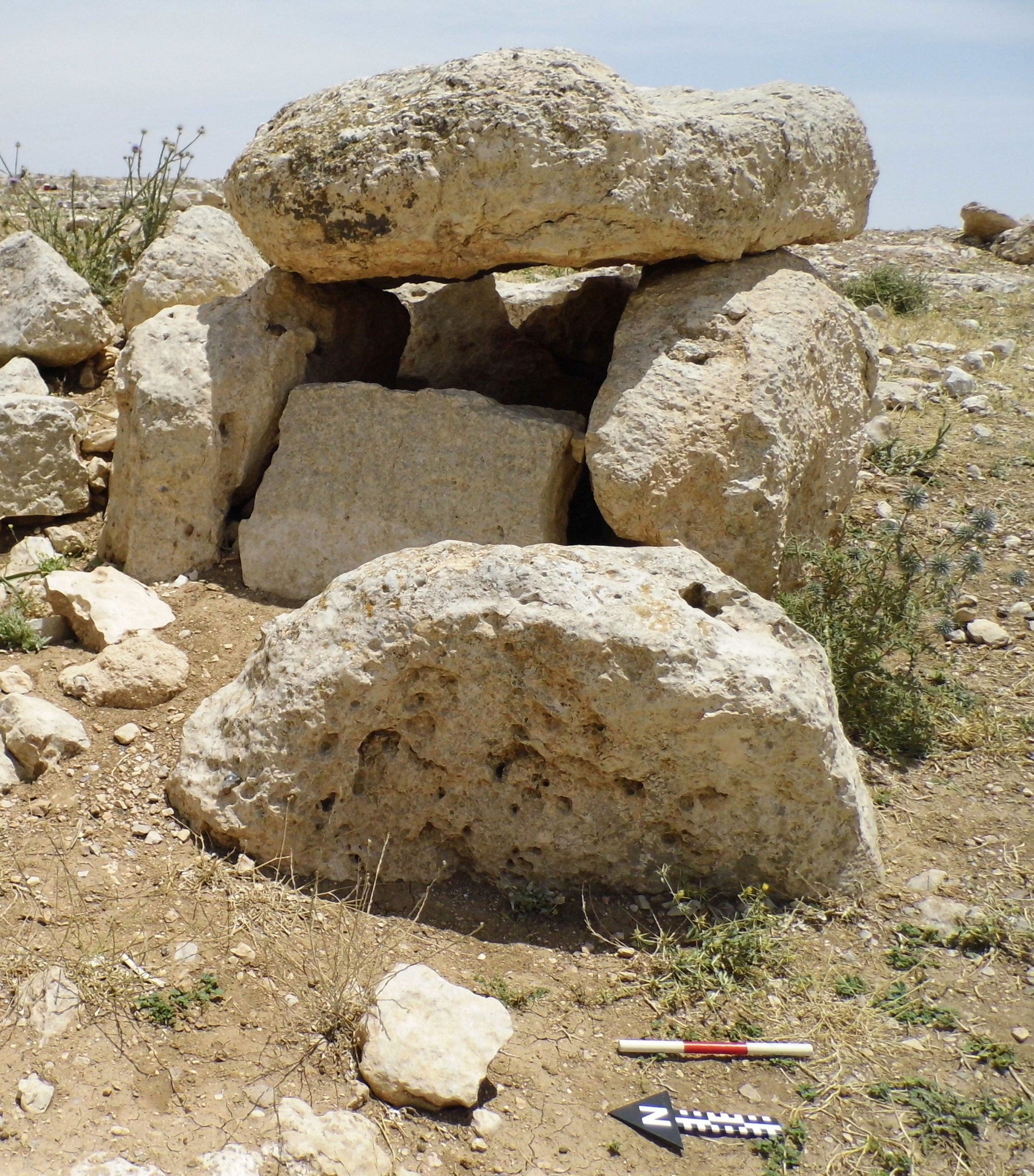
    Dolmen Found at the Murayghat Site
    Dolmen found at the Murayghat site in Jordan. Credit: Susanne Kerner, University of Copenhagen

    “Instead of the large domestic settlements with smaller shrines established during the Chalcolithic, our excavations at Early Bronze Age Murayghat show clusters of dolmens (stone burial monuments), standing stones, and large megalithic structures that point to ritual gatherings and communal burials rather than living quarters,” says project leader and archaeologist Susanne Kerner from the University of Copenhagen.

    Redefinition of territory and social roles

    More than 95 dolmen remains have been documented by the archaeologists, and the central hilltop of the site contains stone-built enclosures and carved bedrock features that also suggest ceremonial use.

    These visible markers may have helped redefine identity, territory, and social roles in a time without strong central authority, Susanne Kerner points out:

    “Murayghat gives us, we believe, fascinating new insights into how early societies coped with disruption by building monuments, redefining social roles, and creating new forms of community.”

    Excavations at Murayghat have revealed Early Bronze Age pottery, large communal bowls, grinding stones, flint tools, animal horn cores, and a few copper objects — all pointing to ritual activity and possible feasting. The site’s layout and visibility also suggest it served as a meeting point for different groups in the region.

    Reference: “Dolmens, standing stones and ritual in Murayghat” by Susanne Kerner, 28 July 2025, Levant.
    DOI: 10.1080/00758914.2025.2513829

    Never miss a breakthrough: Join the SciTechDaily newsletter.
    Follow us on Google and Google News.

    Archaeology Prehistory University of Copenhagen
    Share. Facebook Twitter Pinterest LinkedIn Email Reddit

    Related Articles

    300,000 Years Ago, Humanity Knew Craftsmanship: “Extraordinary” Schöningen Spears Unveil Early Human Ingenuity

    New Research Shatters the Myth of Men As Hunters and Women As Gatherers

    Combat or Climate: The Real Cause of Small-Scale Societies’ Collapse

    Ancient Cave Reveals New Secrets of Our First Ancestors

    Unveiling the “Mysterious” Gaza Wine: Scientists Analyze Ancient Grapes

    The Power of Climate Change – New Research Sheds Light on the End of Ancient Indus Megacities

    Massive Implications: New Evidence Calls Into Question Timing of Human Arrival in North America

    DNA From Skeletons in Mass Grave Provides Evidence of Smallpox in the Viking Age

    8,500-Year-Old Human Teeth Used As Jewelry Discovered at Prehistoric Archaeological Site

    Leave A Reply Cancel Reply

    • Facebook
    • Twitter
    • Pinterest
    • YouTube

    Don't Miss a Discovery

    Subscribe for the Latest in Science & Tech!

    Trending News

    Scientists Recreate a Nuclear Fireball and Uncover Fallout’s Hidden Chemistry

    These Tiny Gut Particles Could Be Accelerating Aging Throughout the Body

    Doctors Changed One Thing and Weight Gain Stopped

    Magnetic Fields May Solve a Longstanding Binary Star Mystery

    The Probiotic Breakthrough for Natural Anxiety Relief and Better Mental Health

    Animal vs. Plant Protein: Scientists Found a Surprising Nutritional Difference

    According to Scientists, This Simple Dietary Change Is Linked to Lower Depression Scores

    Researchers Discover a Hidden Vitamin D Problem That Persists Year-Round

    Follow SciTechDaily
    • Facebook
    • Twitter
    • YouTube
    • Pinterest
    • Newsletter
    • RSS
    SciTech News
    • Biology News
    • Chemistry News
    • Earth News
    • Health News
    • Physics News
    • Science News
    • Space News
    • Technology News
    Recent Posts
    • Scientists Uncover Why Walking Gets Slower and More Exhausting As We Age
    • 24 Hours Without Sleep Changes Your Saliva in Measurable Ways
    • A Major Update Just Hit Cholesterol Guidelines – Here’s What Every Adult Needs To Know
    • Scientists Tracked 4,500 Animals During COVID – What They Discovered Was Surprising
    • Hidden Phase of Matter Finally Captured After Decades of Predictions
    Copyright © 1998 - 2026 SciTechDaily. All Rights Reserved.
    • Science News
    • About
    • Contact
    • Editorial Board
    • Privacy Policy
    • Terms of Use

    Type above and press Enter to search. Press Esc to cancel.