
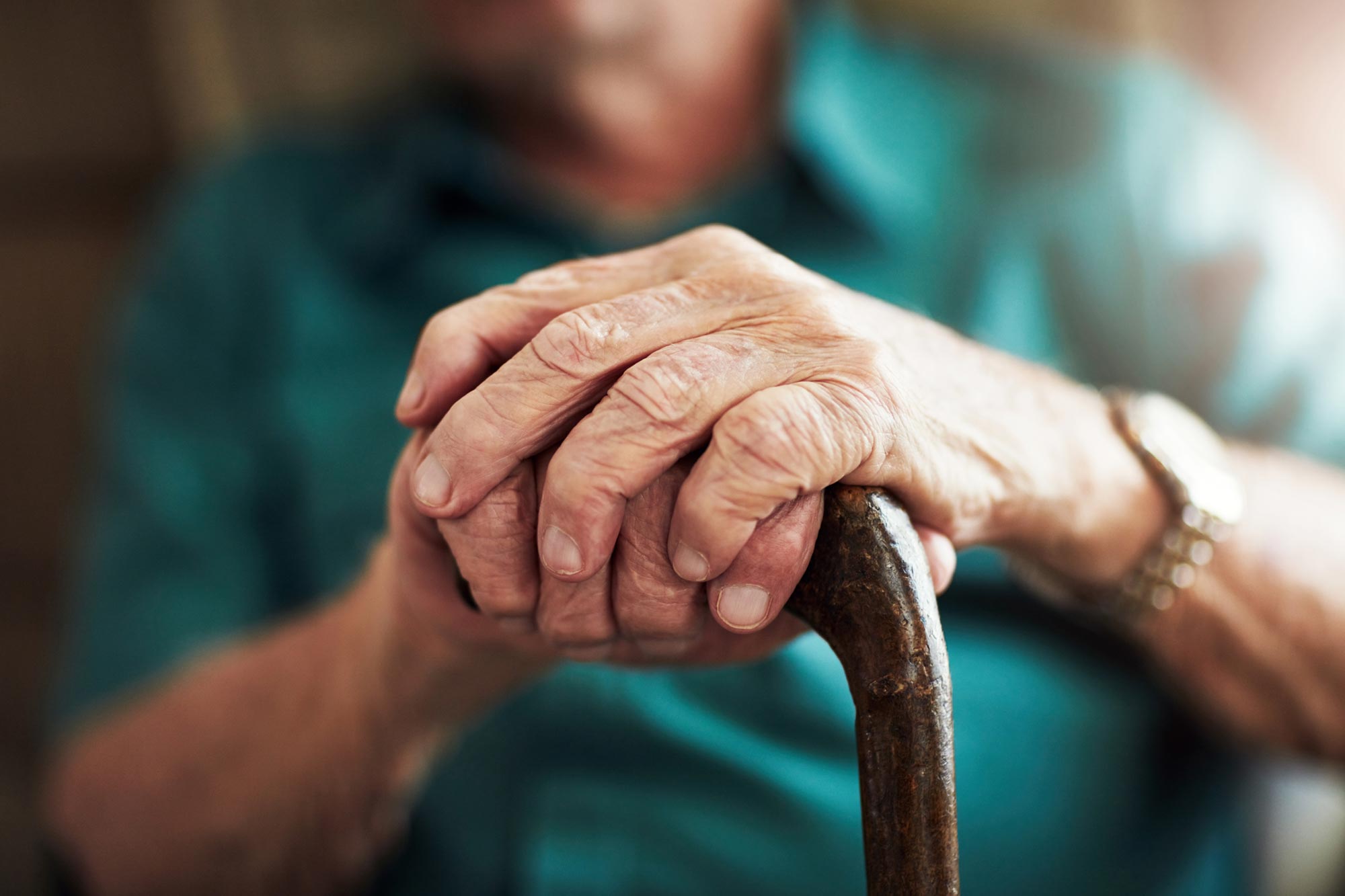
A new study reveals that aging changes the body’s walking strategy, prioritizing balance and safety over efficiency.
Walking may seem automatic, but every step requires a complex balance between stability, muscle coordination, and forward propulsion. As people age, that balance begins to shift. New research from Australia suggests the body gradually adopts a more cautious walking strategy, prioritizing staying upright over moving efficiently. While that adjustment may help prevent instability in the short term, it also appears to make walking slower, more tiring, and potentially more vulnerable to falls.
The study, conducted by researchers at Flinders University and the University of Canberra, found that aging leads to a more “safety-first” walking pattern. While this approach improves stability, it also reduces speed and energy efficiency, helping explain why older adults tend to fatigue more quickly and face a greater risk of falls.
By analyzing movement data from 107 healthy adults between the ages of 26 and 86, the researchers identified important age-related changes in how the ankle and surrounding muscles work during walking.
According to lead author Dr. Cody Lindsay, an expert in sport and exercise technology, the ankle is essential for both maintaining balance and generating forward movement.
“As we get older, the body starts to favor stability over efficiency,” says Dr Lindsay, from the Flinders Caring Futures Institute.
“That helps keep us upright, but it also makes walking more of an effort.”
The researchers found that older adults are more likely to activate opposing ankle muscles at the same time, a phenomenon known as co-contraction. This increases joint stiffness and helps improve balance when the foot contacts the ground.
The Trade-Off Between Stability and Efficiency
However, Dr. Lindsay notes that this added stability comes with drawbacks.
“Stiffening the joint makes walking safer, but it also means the muscles are working harder without generating as much forward movement,” he says.
The study also found that older adults generate less push-off power with each step, leading to shorter strides and slower walking speeds.
Associate Professor Maarten Immink, a co-author of the study, says these changes reflect a broader adjustment in the body’s movement control systems.
“The nervous system adopts a safety-first approach, compensating for age-related changes by favoring stability over performance,” says Associate Professor Immink, Lead of the Active Lives Research Program within the Caring Futures Institute at Flinders University.
“These changes can also increase fatigue and make walking longer distances more challenging, while reducing the ability to recover from trips or slips – a key factor in falls among older adults.”
“Even gradual changes can affect confidence and independence, and people may notice they tire more quickly or feel less steady, especially on uneven ground.”
The findings also suggest new ways to help people maintain mobility as they age.
Rather than focusing only on strength, the researchers say exercise programs should also address balance, coordination, and the way muscles work together during each step.
“For older Australians, simple actions can make a difference, including regular physical activity, balance exercises such as tai chi, lower-leg strengthening, and activities that challenge coordination,” says Dr Lindsay, from Flinders’ College of Health and Enablement.
“Staying active is one of the most important things people can do, and small, consistent exercises can help you stay confident, mobile, and independent for longer.”
The team hopes the results will help guide improved fall prevention measures and rehabilitation programs that support healthy aging.
Reference: “Ageing alters ankle mechanics and muscle co-contraction patterns across the gait cycle” by Cody Lindsay, Ceridwen R. Radcliffe and Maarten A. Immink, 23 April 2026, Gait & Posture.
DOI: 10.1016/j.gaitpost.2026.110202
Never miss a breakthrough: Join the SciTechDaily newsletter.
Follow us on Google and Google News.
5 Comments
Probably true but everyone I know at my age 71 walking is difficult due to feet pain, arthritis or other issues
At 74, I do 7-10 mile hike/jogging, often climbing 1.5k to 2k feet twice a week on average and hit the gym 3 other days a week. I also don’t take any prescription drugs.
Eat healthy, don’t drink, smoke or do drugs and staying in shape will help older folks avoid physical and mental debilitation
No one wants to say this out loud for fear of losing research funding from pharmaceutical companies, but the pain and stiffness that accompany age are a function of worsening metabolic health. If you want to walk, or even run, without pain, adopt a strict low-carb diet. Or just keep taking every drug your doctor gives you, plus all the drugs he’ll have to prescribe in the future to deal with side-effects of drugs you’re already taking.
We all get older, but being “old” is a choice.
Let’s not forget a sizable genetic component that may put a cap on just how healthy you might be at a certain age. How many people feel they are so healthy then have a heart attach or stroke? Suddenly they can’t take credit from their own actions because they were ‘doing all the right stuff’. At least acknowledge that no one has complete control over their health.
Between age 50 and 70. Men can loose up to fifty percent of their muscle mass due to reduced protein absorption. That is partially why safety over efficiency wins out. Their legs get weak, It gets noticeably harder to stand up. Balance also starts to become a factor.