
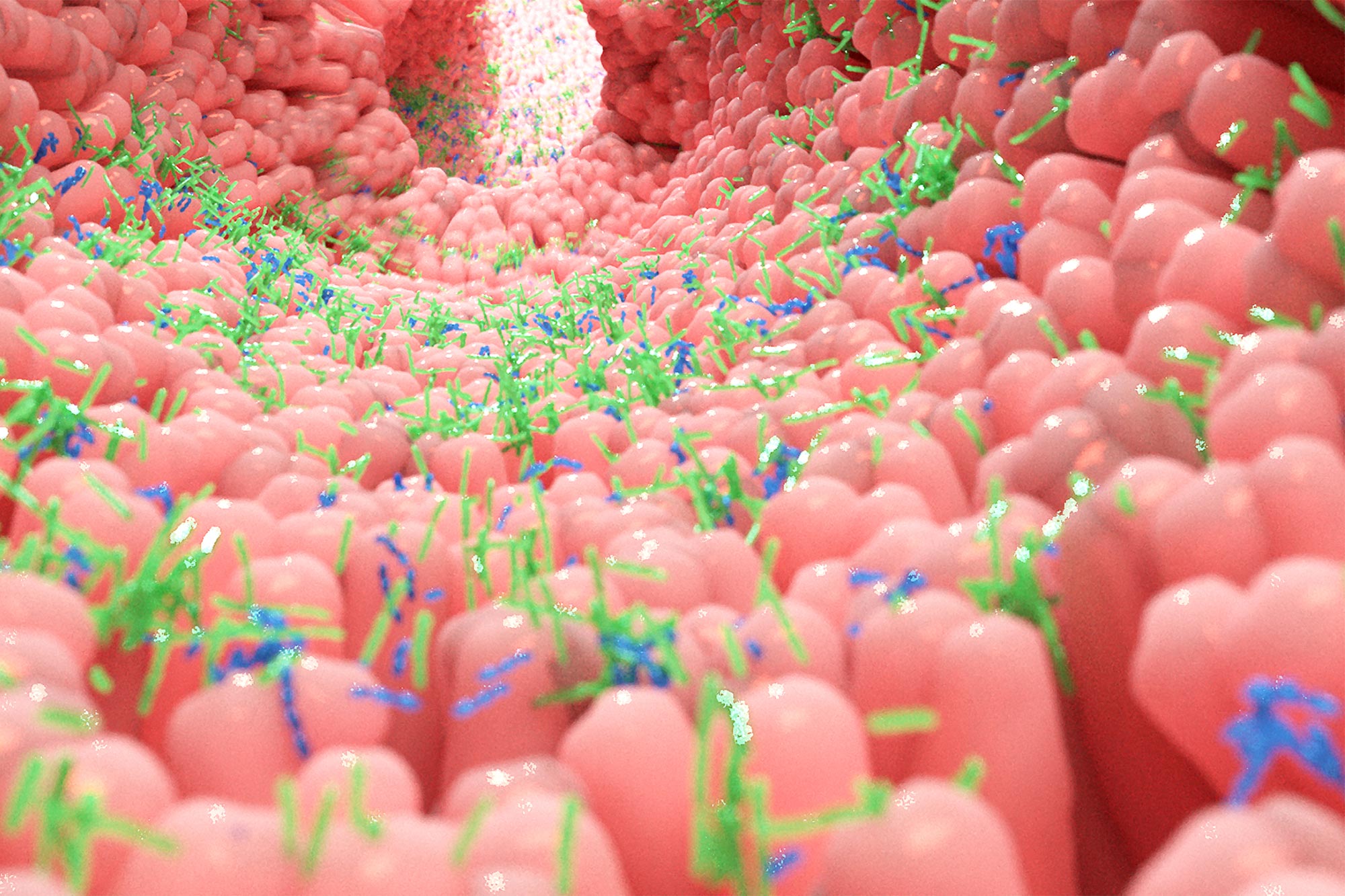
Tiny particles from the gut may be carrying aging signals throughout the body, offering a surprising new clue to chronic disease.
Researchers at the Marshall University Joan C. Edwards School of Medicine have uncovered new evidence that microscopic particles produced in the gut may contribute to the inflammation and chronic diseases often associated with aging. The findings provide fresh insight into the connections between gut health, metabolism, immune function, and even sleep.
The research, published in Aging Cell, focused on gut luminal exosomes, tiny particles that help cells communicate by carrying proteins and genetic material throughout the body. Scientists discovered that exosomes collected from older animals contained molecular signals linked to insulin resistance, inflammation, and damage to the gut barrier. When those exosomes were transferred to younger animals, they triggered similar biological changes.
In contrast, transferring gut luminal exosomes from young animals to older animals reduced several metabolic changes associated with aging. The results suggest that the gut environment may play an important role in the development of age-related diseases.
Gut Exosomes and Chronic Inflammation
According to the researchers, these exosomes may do more than simply reflect aging-related changes. The particles themselves could actively contribute to disease development.
A weakened gut barrier can allow inflammatory substances to escape into the bloodstream. This process may promote chronic inflammation throughout the body and increase the risk of conditions such as heart disease and metabolic disorders.
“This study helps clarify how the physiological stressors associated with biological aging may accelerate biological processes linked to aging and disease,” said Abdelnaby Khalyfa, M.Sc., Ph.D., professor of biomedical sciences at the Joan C. Edwards School of Medicine and lead author on the study. “Understanding these mechanisms is essential to identifying new targets for intervention and improving long-term outcomes for patients.”
New Clues to Aging and Disease Mechanisms
The findings add to growing evidence that aging affects multiple biological systems simultaneously, including metabolism, immune function, and cellular communication pathways.
Researchers also identified specific molecules carried within the exosomes that could eventually help scientists better understand, detect, and treat diseases linked to aging. The results may be particularly relevant to chronic conditions characterized by long-term physiological stress, many of which share underlying biological pathways with the aging process.
Reference: “Gut Luminal Exosomes in Young and Old Mice: Multi-Omic Characteristics and Regulation of Gut Permeability” by Abdelnaby Khalyfa, Lyu Zhen, Trupti Joshi and David Gozal, 26 March 2026, Aging Cell.
DOI: 10.1111/acel.70455
The study was conducted by Abdelnaby Khalyfa, Trupti Joshi, Ph.D., and David Gozal, M.D., M.B.A., Ph.D. (Hon) of Marshall University, along with Lyu Zhen of the University of Missouri.
Funding for the research included unrestricted start-up funds awarded to Khalyfa by the Joan C. Edwards School of Medicine through the Marshall University Research Corporation (MURC) in Huntington, West Virginia. Gozal also received partial support from NIH grants HL166617 and HL169266. Additional support came from the National Institute of General Medical Sciences of the National Institutes of Health through Award Number P20GM103434 and the West Virginia IDeA Network of Biomedical Research Excellence (WV-INBRE).
Never miss a breakthrough: Join the SciTechDaily newsletter.
Follow us on Google and Google News.