
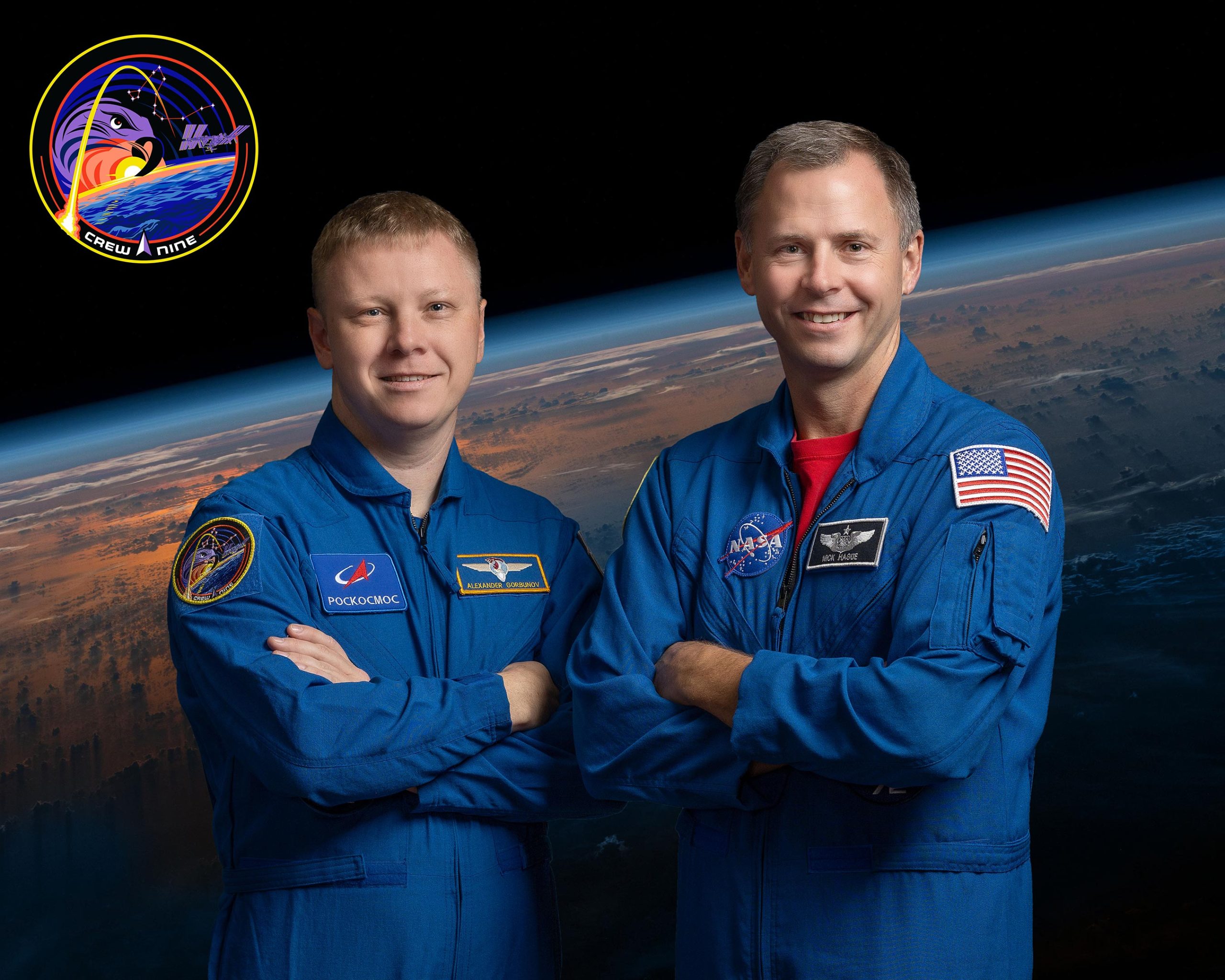
NASA’s SpaceX Crew-9 mission, scheduled for launch from Cape Canaveral on September 25, features NASA astronauts Nick Hague and Roscosmos cosmonaut Aleksandr Gorbunov.
The team will quarantine at Johnson Space Center before joining the space station for five months, engaging in research and spacewalks. This launch marks the first human spaceflight from this particular pad, with several backup dates provided.
Preflight Preparations and Launch Schedule
Members of NASA’s SpaceX Crew-9 mission will spend the next two weeks in routine preflight quarantine at the agency’s Johnson Space Center in Houston ahead of their mission to the International Space Station.
NASA and SpaceX have shifted the Crew-9 launch to no earlier than Wednesday, September 25, to complete prelaunch preparations and ensure separation between operations. Liftoff is targeted for 2:28 p.m. EDT from Space Launch Complex-40 at Cape Canaveral Space Force Station in Florida aboard a SpaceX Falcon 9 rocket and Dragon spacecraft named Freedom. This is the first time a human spaceflight mission will launch from the pad. Additional launch opportunities are available on Thursday, September 26, Friday, September 27, and Saturday, September 28.

Crew Composition and Health Protocols
NASA astronaut Nick Hague, commander, and Roscosmos cosmonaut Aleksandr Gorbunov, mission specialist, will remain in isolation to prevent exposure to any illnesses before they join the Expedition 72 crew at the space station. As part of the Crew-9 crew, Hague and Gorbunov will join NASA astronauts Butch Wilmore and Suni Williams, who arrived at the space station in June.
Hague and Gorbunov are set to arrive at NASA’s Kennedy Space Center in Florida on Friday, September 20, where the pair will remain in quarantine at the Neil A. Armstrong Operations and Checkout Building until launch.
Mission Overview and Objectives
Crew-9 is the ninth crew rotation mission with SpaceX to the space station under NASA’s Commercial Crew Program. The crew will spend approximately five months at the orbiting laboratory conducting spacewalks, research demonstrations, and experiments before returning in February 2025.
Never miss a breakthrough: Join the SciTechDaily newsletter.
Follow us on Google and Google News.