
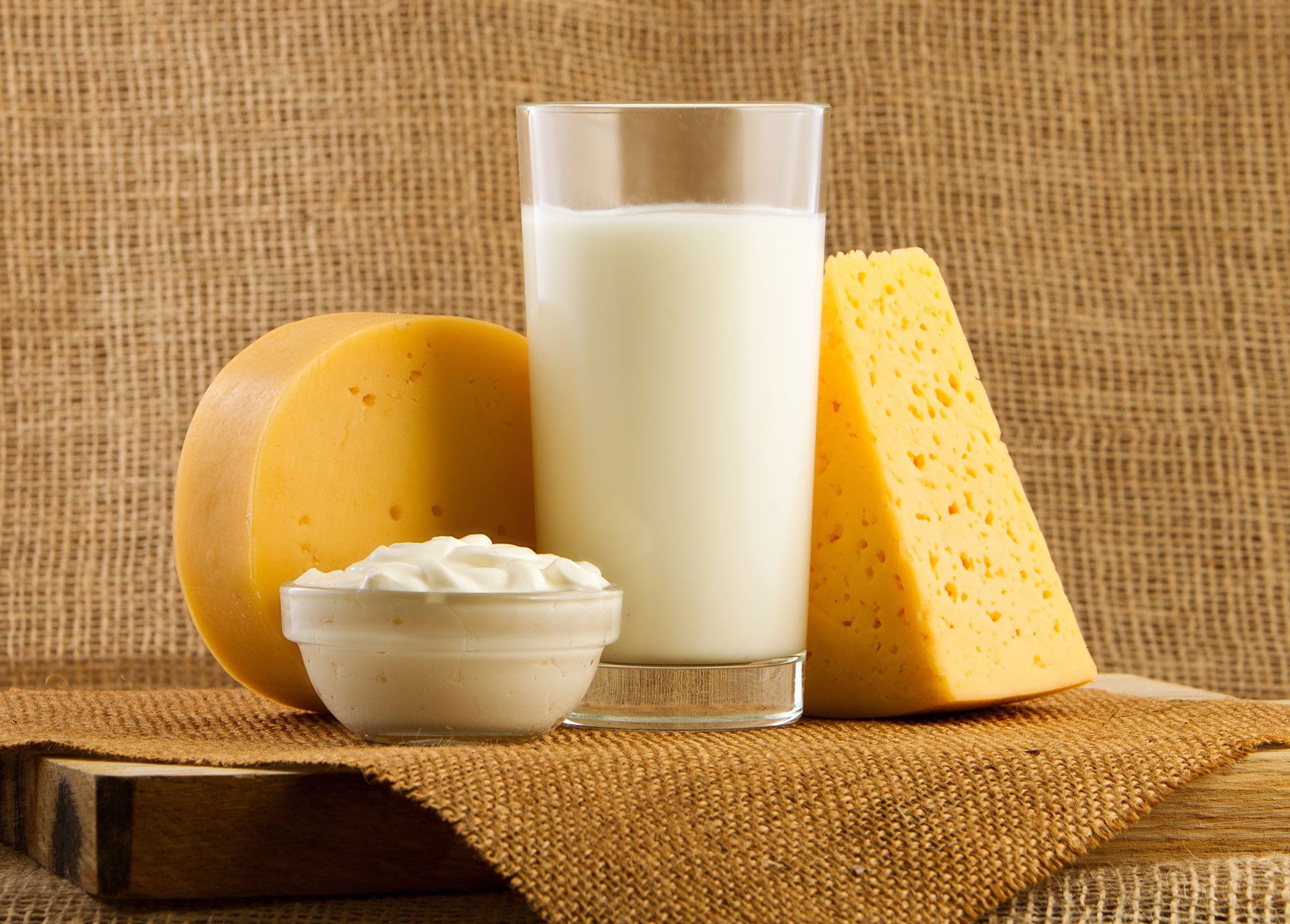
Cornell scientists found H5N1 virus can persist in raw milk cheese for months. More acidic cheeses appear to prevent the virus from surviving.
Raw milk cheeses made from contaminated milk were found to contain active avian influenza virus, posing potential health concerns for consumers, according to new research.
However, no trace of the virus was identified in samples of highly acidic raw milk cheeses. Feta cheese, for example, represents one of the more acidic types.
The study was published Oct. 8 in Nature Medicine.
“In this study, we were specifically looking at the stability or persistence of highly pathogenic avian influenza H5N1 in raw milk cheese products,” said senior author Diego Diel, professor of virology in the Department of Population Medicine and Diagnostic Sciences and director of the Virology Laboratory at the Animal Health Diagnostic Center (AHDC), all in the College of Veterinary Medicine (CVM).
“This research was initiated due to previous work demonstrating high levels of virus shedding in milk from infected cows and the fact that we have previously shown that the virus survives in refrigerated raw milk for extended periods of time,” he said.
Although the Food and Drug Administration requires that raw milk cheese be aged for at least 60 days at or above 35 degrees Fahrenheit, the researchers detected infectious virus even after 120 days of aging at 39 degrees Fahrenheit. The 60-day aging rule, which helps reduce moisture, is primarily intended to eliminate harmful bacterial pathogens that might persist in raw milk cheeses.
The role of acidity in viral survival
A pH below 7 is considered acidic, with most cheeses ranging between 5.4, as seen in cheddar, and 7, as in camembert. Some, like feta, have a pH around 4.6 or lower.
In this study, cheeses made from contaminated raw milk retained infectious avian influenza virus when their pH ranged from 5.8 to 6.6. By contrast, cheeses with a pH of 5 or below showed no detectable virus.
To lower the risk of contamination, the researchers suggested testing milk before cheese production and using only milk free of the virus. Another option may involve heating milk to temperatures below standard pasteurization, which could help inactivate the virus while maintaining the sensory characteristics valued by raw milk cheesemakers, Diel said.
Recommendations for the dairy industry
“The work we’ve done on H5N1 is critical to providing practical, timely, data-driven knowledge and recommendations to the dairy industry in the face of this outbreak that has affected a large proportion of the milk supply in the U.S., and it allows raw milk cheesemakers to reduce risk,” said study co-author Nicole Martin, assistant research professor in dairy foods microbiology and director of the Milk Quality Improvement Program in the Department of Food Science, in the College of Agriculture and Life Sciences.
The research also included an animal study where ferrets, which are highly susceptible to H5N1, were fed contaminated raw milk and contaminated raw milk cheese from the study. The researchers observed that some of the animals became infected after drinking the raw milk, but the animals that ingested the raw milk cheese remained uninfected.
Animal model offers new insights
While more study is needed, Diel said the fluid matrix of the milk might have allowed the virus to have higher contact with mucous membranes in the pharynx, while the cheese products could have a lower contact time with cells in this area where the virus could initiate an infection.
In the study, the team developed an experimental model in the lab where they made and tested 5-gram mini cheeses made with raw milk spiked with H5N1 virus. They also tested samples of commercial milk cheeses sent to Cornell by FDA regulators who suspected a batch of cheddar cheeses were made with contaminated raw milk.
“All four samples of company-made cheddar that we received tested positive for H5N1,” Diel said.
Acidity in cheese is primarily achieved by direct acidification or by adding lactic acid bacteria cultures, which make use of lactose in the milk to form lactic acid. “This acid drops the pH of the milk and depending on how far this fermentation is allowed to proceed determines how low the pH goes,” Martin said.
The team made their mini cheeses by direct acidification where they added lactic acid to H5N1-spiked raw milk to create samples with varying pH.
Reference: “H5N1 influenza virus stability and transmission risk in raw milk and cheese” by Mohammed Nooruzzaman, Pablo Sebastian Britto de Oliveira, Salman L. Butt, Nicole H. Martin, Samuel D. Alcaine, Stephen P. Walker and Diego G. Diel, 8 October 2025, Nature Medicine.
DOI: 10.1038/s41591-025-04010-0
The study was supported by the FDA and the New York State Department of Agriculture and Markets.
Never miss a breakthrough: Join the SciTechDaily newsletter.
Follow us on Google and Google News.
3 Comments
How can a virus persist in cheese longer than the cheese itself?
Ridiculous fear mongering. Show a SINGLE case where someone has gotten sick because of bird-flu in milk. Just one.
Seriously? This study didn’t “find” bird flu in cheese — it created it. Researchers intentionally infected milk and cheese to test how long the virus might persist under lab conditions. That’s not discovery, it’s modeling.
What’s more, they could have used pasteurized milk, which would have been a cleaner and more controlled substrate for measuring viral stability. Instead, they chose raw milk — a medium that can actually compromise viral load through its natural bacterial activity. That choice raises an important question: why use the one medium most likely to distort results, unless the goal was to reinforce an existing narrative about “raw milk risk”?