
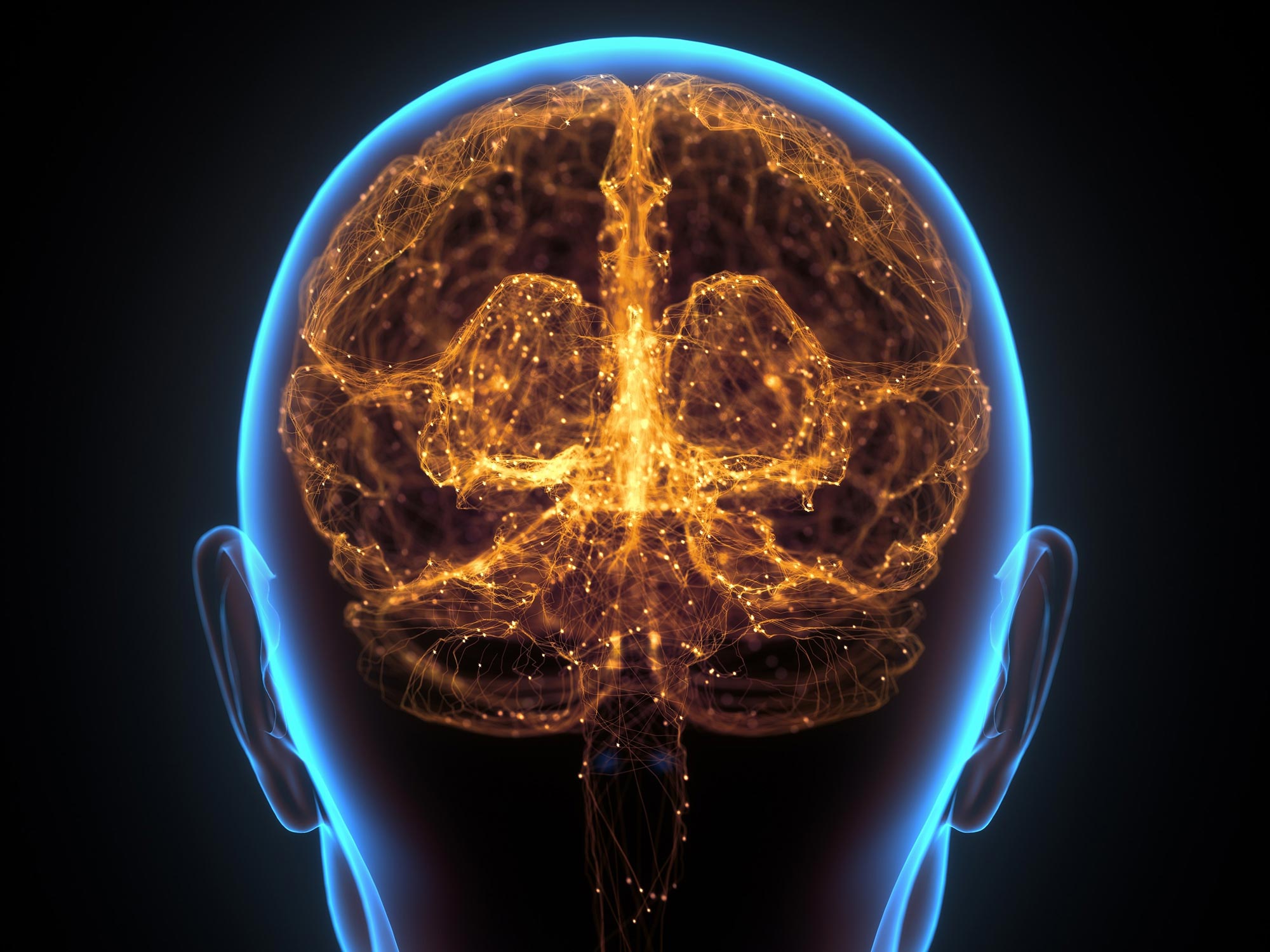
Cambridge researchers found that sex differences in brain structure exist from birth, with males having more white matter and females more grey matter, highlighting early neurodiversity.
Research from the Autism Research Centre at the University of Cambridge has found that sex differences in brain structure are present from birth.
On average, male infants have larger overall brain volumes than female infants. However, when accounting for total brain size, female infants tend to have significantly more grey matter, while male infants have significantly more white matter.
Grey matter consists of neuron cell bodies and dendrites, playing a key role in processing and interpreting information related to sensation, perception, learning, speech, and cognition. In contrast, white matter is composed of axons—long nerve fibers that connect neurons across different brain regions, enabling communication throughout the brain.
Yumnah Khan, a PhD student at the Autism Research Centre, who led the study, said: “Our study settles an age-old question of whether male and female brains differ at birth. We know there are differences in the brains of older children and adults, but our findings show that they are already present in the earliest days of life.
“Because these sex differences are evident so soon after birth, they might in part reflect biological sex differences during prenatal brain development, which then interact with environmental experiences over time to shape further sex differences in the brain.”
Overcoming Past Research Limitations
One problem that has plagued past research in this area is sample size. The Cambridge team tackled this by analyzing data from the Developing Human Connectome Project, where infants receive an MRI brain scan soon after birth. Having over 500 newborn babies in the study means that, statistically, the sample is ideal for detecting sex differences if they are present.
A second problem is whether any observed sex differences could be due to other factors, such as differences in body size. The Cambridge team found that, on average, male infants had significantly larger brain volumes than did females, and this was true even after sex differences in birth weight were taken into account.
After taking this difference in total brain volume into account, at a regional level, females on average showed larger volumes in grey matter areas related to memory and emotional regulation, while males on average had larger volumes in grey matter areas involved in sensory processing and motor control.
The findings of the study, the largest to date to investigate this question, are published in the journal Biology of Sex Differences.
Investigating Underlying Biological Factors
Dr Alex Tsompanidis who supervised the study, said: “This is the largest such study to date, and we took additional factors into account, such as birth weight, to ensure that these differences are specific to the brain and not due to general size differences between the sexes.
“To understand why males and females show differences in their relative grey and white matter volume, we are now studying the conditions of the prenatal environment, using population birth records, as well as in vitro cellular models of the developing brain. This will help us compare the progression of male and female pregnancies and determine if specific biological factors, such as hormones or the placenta, contribute to the differences we see in the brain.”
The researchers stress that the differences between males and females are average differences.
Dr Carrie Allison, Deputy Director of the Autism Research Centre, said: “The differences we see do not apply to all males or all females, but are only seen when you compare groups of males and females together. There is a lot a variation within, and a lot of overlap between, each group.”
Professor Simon Baron-Cohen, Director of the Autism Research Centre, added: “These differences do not imply the brains of males and females are better or worse. It’s just one example of neurodiversity. This research may be helpful in understanding other kinds of neurodiversity, such as the brain in children who are later diagnosed as autistic, since this is diagnosed more often in males.”
Reference: “Sex Differences in Human Brain Structure at Birth” by Yumnah T. Khan, Alex Tsompanidis, Marcin A. Radecki, Lena Dorfschmidt, APEX Consortium, Topun Austin, John Suckling, Carrie Allison, Meng-Chuan Lai, Richard A. I. Bethlehem and Simon Baron-Cohen, 17 October 2024, Biology of Sex Differences.
DOI: 10.1186/s13293-024-00657-5
The research was funded by Cambridge University Development and Research, Trinity College, Cambridge, the Cambridge Trust, and the Simons Foundation Autism Research Initiative.
These results were obtained using data made available from the Developing Human Connectome Project funded by the European Research Council under the European Union’s Seventh Framework Programme (FP/2007-2013) / ERC Grant Agreement no. [319456].
Never miss a breakthrough: Join the SciTechDaily newsletter.
Follow us on Google and Google News.
1 Comment
Take any two large groups separated by some characteristic (location, the first letter in their name, their birth months, whatever) and you will find statistical differences in the averages of some characteristics between the two groups. And as Dr Allison says, these are just statistical differences – there was a lot of overlap between the two groups. Some female babies had brains with more grey matter, some male babies had brains with more white matter. Some female babies had larger brains, some male babies had smaller brains.
The quote from doctoral student Khan, that this study “settled” the question about sex differences between babies’ brains, was not accurate. There were statistical differences in the averages of the two groups – but there were not consistent differences between individuals based on their birth sex.
This needs to be replicated – but like this study, it’s unlikely that another study with different babies will find differences which are always true for one sex while being never true for the other. Biology is much more complex than that.