
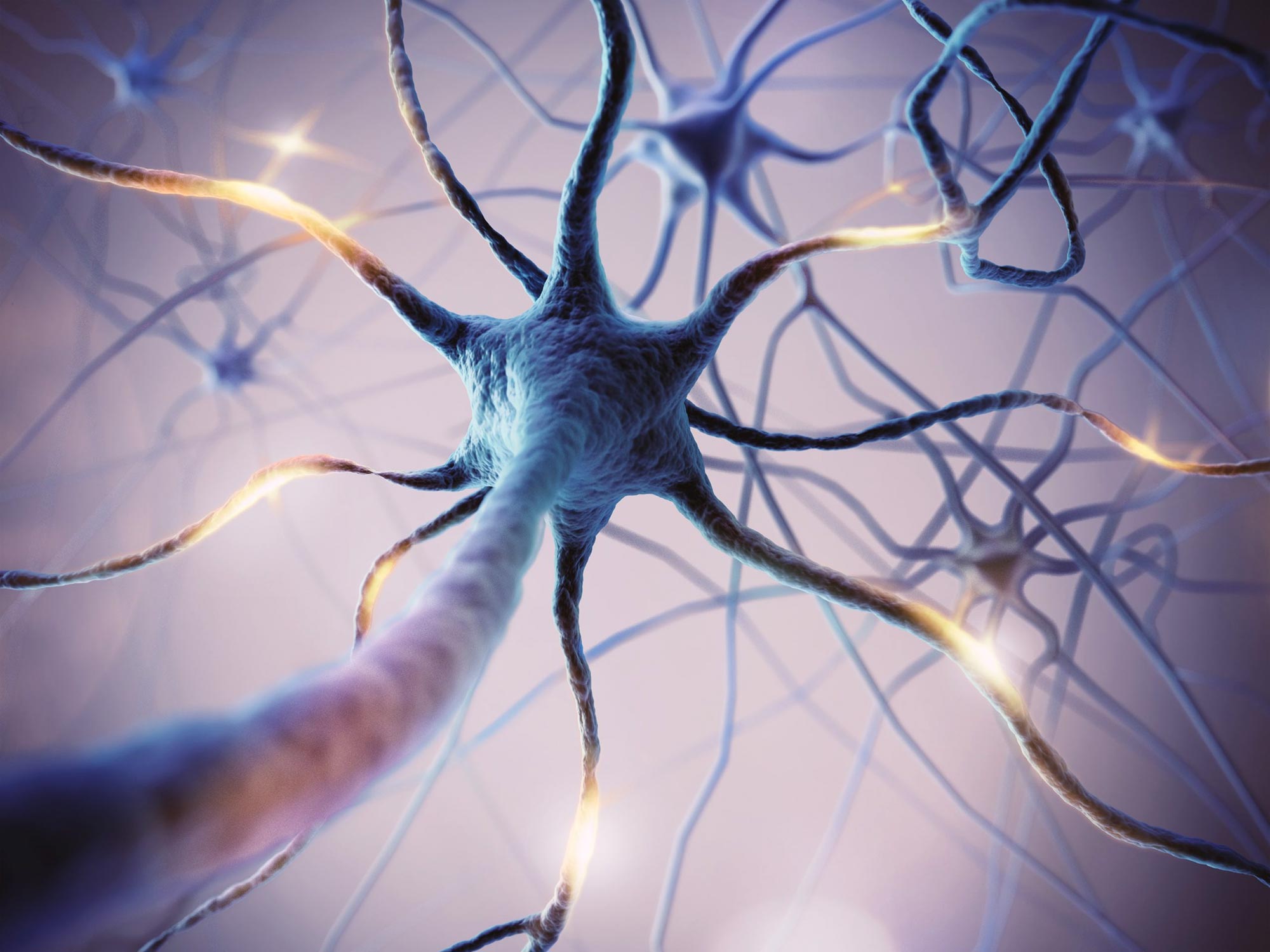
Neuronal measurements may offer fresh insights for diagnosing autism and developing therapeutic interventions.
New evidence suggests that the cells responsible for communication in the brain may be structured differently in children with autism. Researchers from the Del Monte Institute for Neuroscience at the University of Rochester found that neuron density in certain brain regions differs in children with autism compared to the general population.
“We’ve spent many years describing the larger characteristics of brain regions, such as thickness, volume, and curvature,” said Zachary Christensen, MD/PhD candidate at the University of Rochester School of Medicine and Dentistry, and first author of the paper recently published in the journal Autism Research. “However, newer techniques in the field of neuroimaging for characterizing cells using MRI, unveil new levels of complexity throughout development.”
Imaging provides new insight into brain development
Researchers used brain imaging data collected from more than 11,000 children ages 9-11. They compared the imaging of the 142 children in that group with autism, to the general population and found there was lower neuron density in regions of the cerebral cortex. Some of these regions of the brain are responsible for tasks like memory, learning, reasoning, and problem-solving. In contrast, the researchers also found other brain regions, such as the amygdala—an area responsible for emotions—that showed increased neuron density. In addition to comparing the scans of children with autism to those of children without any neurodevelopmental diagnosis, they also compared the children with autism to a large group of children diagnosed with common psychiatric disorders like ADHD and anxiety. The results were the same, suggesting that these differences are specific to Autism.
“People with a diagnosis of autism often have other things they have to deal with, such as anxiety, depression, and ADHD. But these findings mean we now have a new set of measurements that have shown unique promise in characterizing individuals with autism,” Christensen said. “If characterizing unique deviations in neuron structure in those with autism can be done reliably and with relative ease, that opens a lot of opportunities to characterize how autism develops, and these measures may be used to identify individuals with autism that could benefit from more specific therapeutic interventions.”
Technology leverages what we know about the inner workings of the brain and autism
Technology has transformed the level of precision and detail that investigators are now able to see in neuronal structure. Previously, researchers would only be able to see structural differences in neural populations postmortem. The imaging data used for this research were collected from the Adolescent Brain Cognitive Development (ABCD) study database. It is the largest long-term study of brain development and child health. The University of Rochester is one of 21 national sites collecting data for this study that began in 2015 and has revolutionized our understanding of adolescent brain health and development.
“We are at the beginning of understanding the true impact that the extraordinary data collected by the ABCD Study will have on the health of our children,” said John Foxe, PhD, senior author of the study, director of the Del Monte Institute for Neuroscience and the Golisano Intellectual and Developmental Disabilities Institute. “It is truly transforming what we know about brain development as we follow this group of children from childhood into early adulthood.”
Reference: “Autism is associated with in vivo changes in gray matter neurite architecture” by Zachary P. Christensen, Edward G. Freedman and John J. Foxe, 26 September 2024, Autism Research.
DOI: 10.1002/aur.3239
Additional authors include Edward Freedman of the University of Rochester Medical Center. This research was supported by the Adolescent Brain Cognitive Development (ABCD) Study and the Translational Neuroimaging and Neurophysiology Core of the University of Rochester Intellectual and Developmental Disabilities Research Center.
Never miss a breakthrough: Join the SciTechDaily newsletter.
Follow us on Google and Google News.