
Close Menu
    Facebook X (Twitter) Instagram
    SciTechDaily
    • Biology
    • Chemistry
    • Earth
    • Health
    • Physics
    • Science
    • Space
    • Technology
    Facebook X (Twitter) Pinterest YouTube RSS
    SciTechDaily
    Home»Biology»Evolutionary Changes Surrounding the NOS1 Gene
    Biology

    Evolutionary Changes Surrounding the NOS1 Gene

    By Bill Hathaway, Yale UniversityMay 11, 2012No Comments3 Mins Read
    Facebook Twitter Pinterest Telegram LinkedIn WhatsApp Email Reddit
    Share
    Facebook Twitter LinkedIn Pinterest Telegram Email Reddit
    Early Developmental Brain Cells Fragile X Syndrome
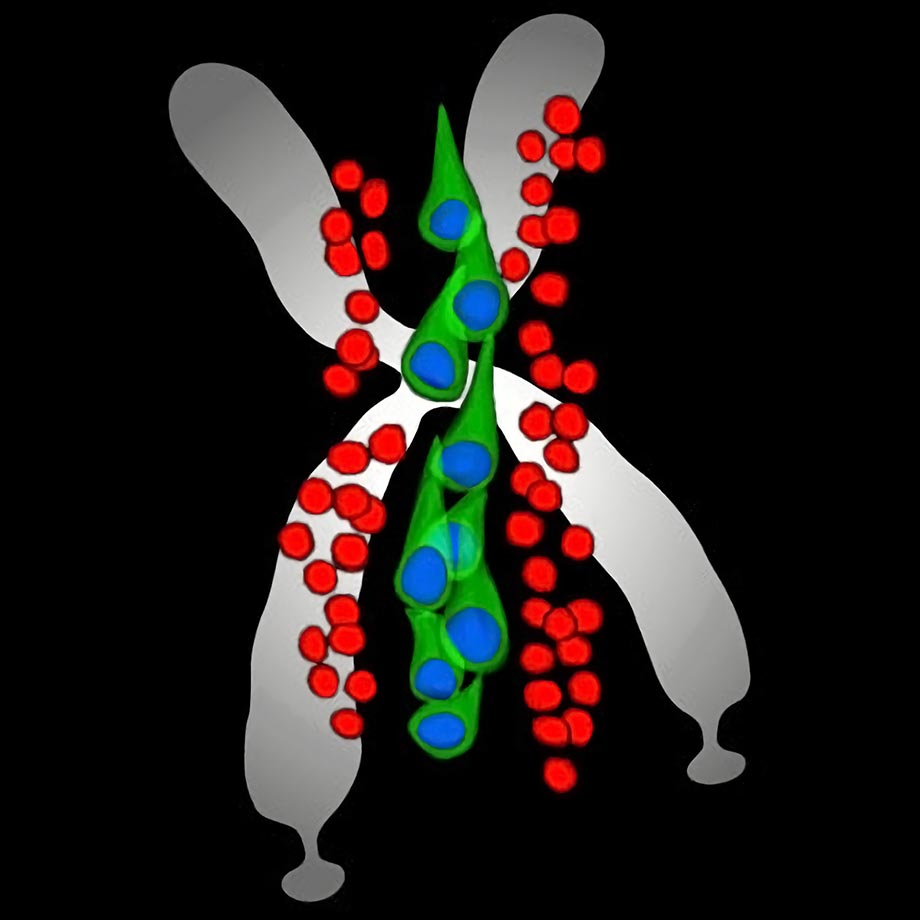
    Artist representation of early developmental brain cells that when disrupted cause Fragile X syndrome. Credit: Yale University

    A new study from neurobiologists at Yale University examines the evolutionary changes surrounding the NOS1 gene and suggests that the same evolutionary mechanisms that may have gifted our species with amazing cognitive abilities may have also made us more susceptible to disorders such as autism.

    A recently evolved pattern of gene activity in the language and decision-making centers of the human brain is missing in a disorder associated with autism and learning disabilities, a new study by Yale University researchers shows.

    “This is the cost of being human,” said Nenad Sestan, associate professor of neurobiology, researcher at Yale’s Kavli Institute for Neuroscience, and senior author of the paper. “The same evolutionary mechanisms that may have gifted our species with amazing cognitive abilities have also made us more susceptible to psychiatric disorders such as autism.”

    The findings are reported in the May 11 issue of the journal Cell.

    In the Cell paper, Kenneth Kwan, the lead author, and other members of the Sestan laboratory identified the evolutionary changes that led the NOS1 gene to become active specifically in the parts of the developing human brain that form the adult centers for speech and language and decision-making. This pattern of NOS1 activity is controlled by a protein called FMRP and is missing in Fragile X syndrome, a disorder caused by a genetic defect on the X chromosome that disrupts FMRP production. Fragile X syndrome, the leading inherited form of intellectual disability, is also the most common single-gene cause of autism. The loss of NOS1 activity may contribute to some of the many cognitive deficits suffered by those with Fragile X syndrome, such as lower IQ, attention deficits, and speech and language delays, the authors say.

    The pattern of NOS1 activity in these brain centers does not occur in the developing mouse brain — suggesting that it is a more recent evolutionary adaptation possibly involved in the wiring of neural circuits important for higher cognitive abilities. The findings of the Cell paper support this hypothesis. The study also provides insights into how genetic deficits in early development, a time when brain circuits are formed, can lead to disorders such as autism, in which symptoms appear after birth.

    “This is an example of where the function of genetic changes that likely drove aspects of human brain evolution was disrupted in disease, possibly reverting some of our newly acquired cognitive abilities and thus contributing to a psychiatric outcome,” Kwan said.

    Reference: “Species-Dependent Posttranscriptional Regulation of NOS1 by FMRP in the Developing Cerebral Cortex” by Kenneth Y. Kwan, Mandy M.S. Lam, Matthew B. Johnson, Umber Dube, Sungbo Shim, Mladen-Roko Rašin, André M.M. Sousa, Sofia Fertuzinhos, Jie-Guang Chen, Jon I. Arellano, Daniel W. Chan, Mihovil Pletikos, Lana Vasung, David H. Rowitch, Eric J. Huang, Michael L. Schwartz, Rob Willemsen, Ben A. Oostra, Pasko Rakic, Marija Heffer, Ivica Kostovic, Milos Judaš and Nenad Šestan, 11 May 2012, Cell.
    DOI: 10.1016/j.cell.2012.02.060

    More than 20 U.S. and international scientists contributed to the research, which was supported by grants from the National Institutes of Health and the Kavli Foundation.

    Never miss a breakthrough: Join the SciTechDaily newsletter.
    Follow us on Google and Google News.

    Autism Spectrum Disorder Brain Cells Chromosomes Evolution Evolutionary Biology Genetics Neuroscience Yale University
    Share. Facebook Twitter Pinterest LinkedIn Email Reddit

    Related Articles

    Defective Gene Slows Down Brain Cells: High-Risk Gene for Developing Autism

    Gene Changes Linked to Severe Repetitive Behaviors Seen in Autism, Schizophrenia, and Drug Addiction

    Scientists Discover How Humans Develop Much Larger Brains Than Other Apes

    New Insight on CLOCK Gene May Hold Answers to Human Brain Evolution

    Yale Scientists Show Small Differences in the Evolution of Human Brain

    Yale Biologists Examine Long-Standing Genetics Mystery

    Scientists Reveal Catalog of Human Genetic Variation

    Genome Study Links Paternal Age to Conditions Such As Autism

    New DNA Entity in Mammalian Cells

    Leave A Reply Cancel Reply

    • Facebook
    • Twitter
    • Pinterest
    • YouTube

    Don't Miss a Discovery

    Subscribe for the Latest in Science & Tech!

    Trending News

    The Universe Is Expanding Too Fast and Scientists Can’t Explain Why

    “Like Liquid Metal”: Scientists Create Strange Shape-Shifting Material

    Early Warning Signals of Esophageal Cancer May Be Hiding in Plain Sight

    Common Blood Pressure Drug Shows Surprising Power Against Deadly Antibiotic-Resistant Superbug

    Scientists Uncover Dangerous Connection Between Serotonin and Heart Valve Disease

    Scientists Discover a “Protector” Protein That Could Help Reverse Hair Loss

    Bone-Strengthening Discovery Could Reverse Osteoporosis

    Scientists Uncover Hidden Trigger Behind Stem Cell Aging

    Follow SciTechDaily
    • Facebook
    • Twitter
    • YouTube
    • Pinterest
    • Newsletter
    • RSS
    SciTech News
    • Biology News
    • Chemistry News
    • Earth News
    • Health News
    • Physics News
    • Science News
    • Space News
    • Technology News
    Recent Posts
    • A Common Diabetes Drug May Hold the Key to Stopping HIV From Coming Back
    • Ancient “Syphilis-Like” Disease in Vietnam Challenges Key Scientific Assumptions
    • Drinking Alcohol To Cope in Your 20s Could Damage Your Brain for Life
    • Scientists Crack Alfalfa’s Chromosome Mystery After Decades of Debate
    • Ancient Ant-Plant Alliance Collapses As Predatory Wasps Move In
    Copyright © 1998 - 2026 SciTechDaily. All Rights Reserved.
    • Science News
    • About
    • Contact
    • Editorial Board
    • Privacy Policy
    • Terms of Use

    Type above and press Enter to search. Press Esc to cancel.