

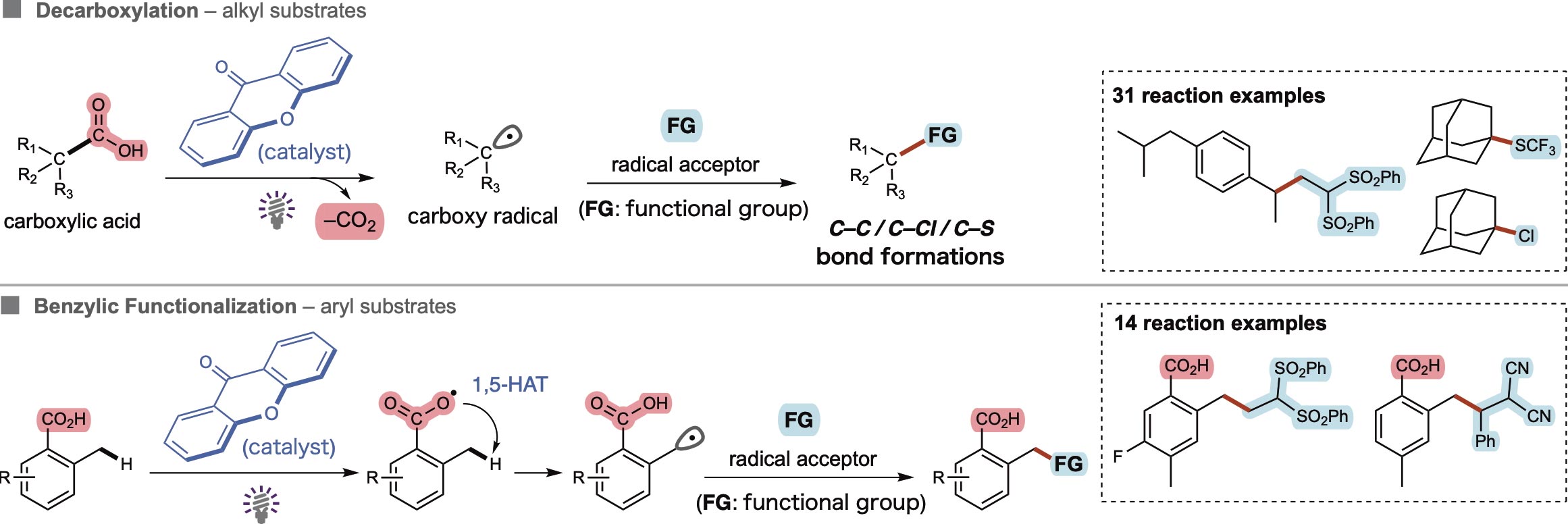
Photoactivated ketones show strong potential as hydrogen atom transfer photocatalysts, enabling the activation of carboxylic acids and the formation of new C–C, C–S, and C–Cl bonds.
Carboxylic acids are common components in bioactive compounds and serve as widely available building blocks in organic synthesis. When transformed into carboxy radicals, these acids can initiate the formation of valuable carbon-carbon and carbon-heteroatom bonds, a key step in the creation of new materials and pharmaceutical agents. Despite their utility, few existing methods rely on cost-effective catalysts.
Addressing this gap, a team from WPI-ICReDD and the University of Shizuoka developed a straightforward hydrogen atom transfer (HAT) strategy that selectively converts carboxylic acids into carboxy radicals. This method employs xanthone, a commercially available and inexpensive organic ketone, as the photocatalyst. The study was recently published in the Journal of the American Chemical Society.
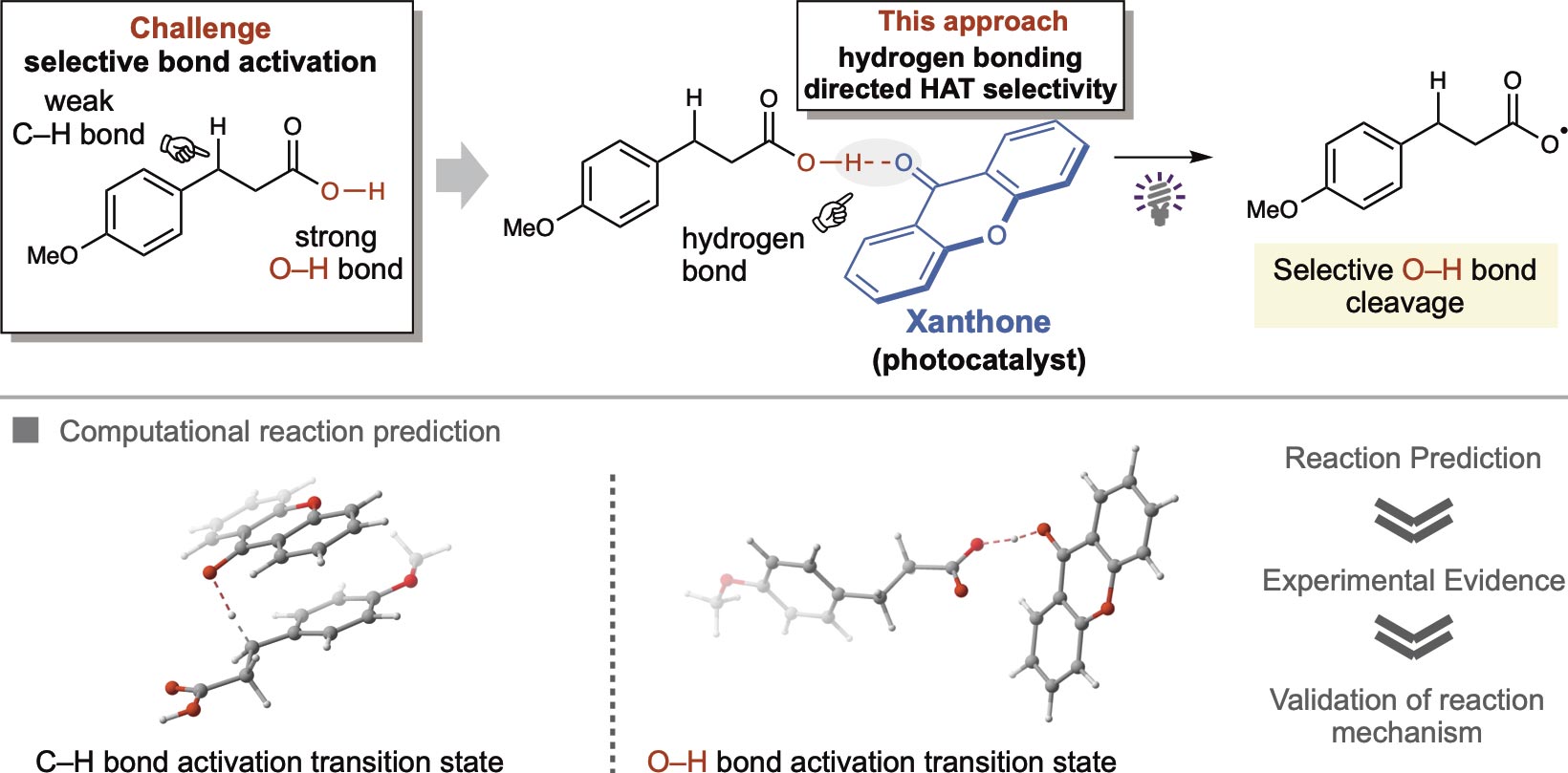
HAT functions by extracting a hydrogen atom from a substrate, generating a reactive radical. Ketones are particularly well suited for this process due to their affordability and established role in HAT photocatalysis. However, targeting the O–H bond in carboxylic acids presents a challenge, as it is generally stronger than the neighboring C–H bonds.
To overcome this, the researchers utilized the artificial force induced reaction (AFIR) method, a computational tool developed at ICReDD. This analysis revealed that xanthone could efficiently facilitate selective O–H bond activation, making it a strong candidate for precise radical generation in these systems.
Hydrogen bonding enhances selectivity
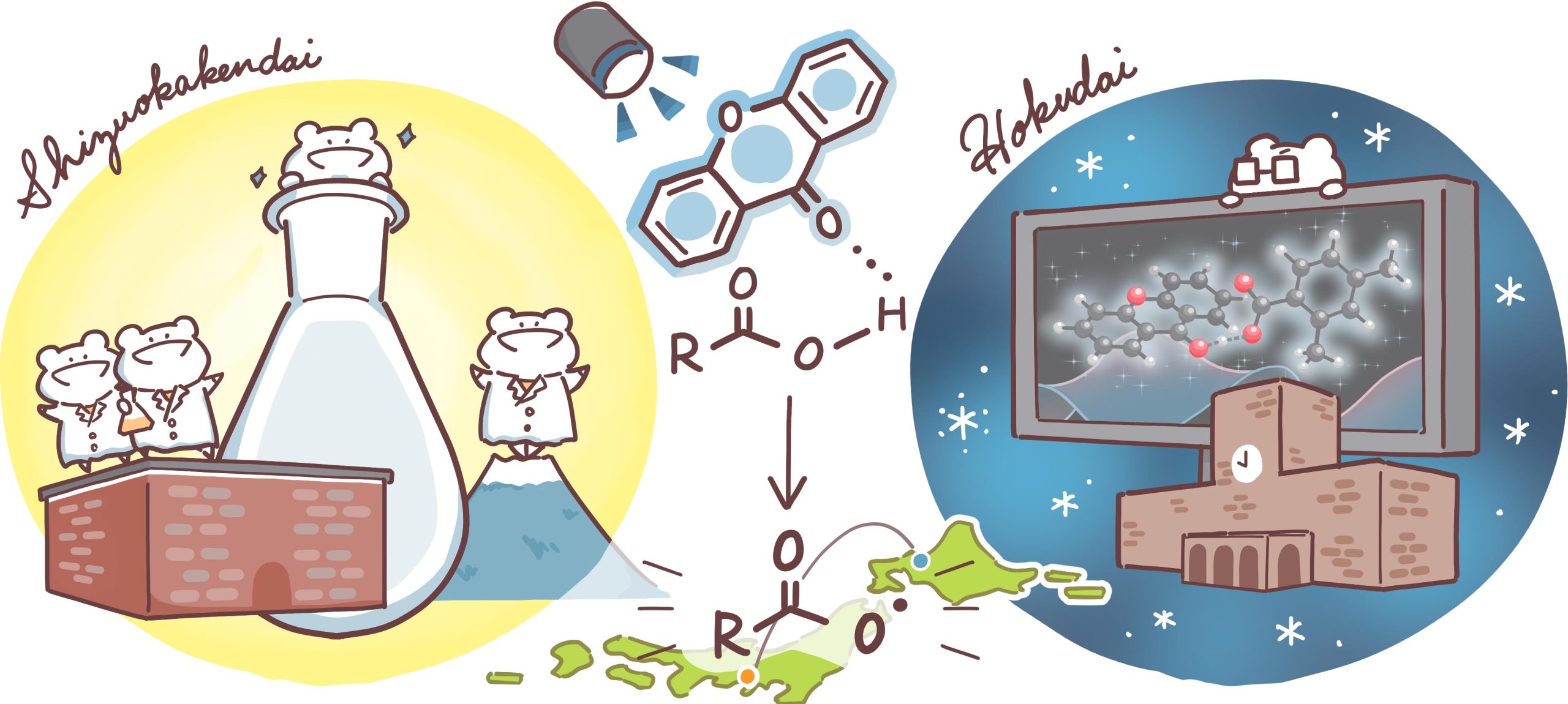
Computational analysis showed that xanthone exhibits nearly equal energy barriers for activating either O–H or C–H bonds in carboxylic acid molecules. This balance suggests that hydrogen bonding could play a key role in directing which bond is preferentially activated. Hydrogen bonding refers to the attraction between hydrogen and oxygen atoms (as illustrated above) and does not occur between hydrogen and carbon atoms. It is distinct from a covalent bond.
Experimental results confirmed the AFIR-based predictions, highlighting the importance of hydrogen bonding in achieving selective O–H bond activation.
The method produced a high selectivity ratio, exceeding 10:1 in favor of O–H bond cleavage. Depending on the specific substrate, the reaction followed either a decarboxylation pathway or benzylic functionalization. Xanthone showed broad substrate tolerance and enabled a variety of bond formations (C–C, C–Cl, and C–S), demonstrating its versatility across more than 40 different reaction examples.
Researchers highlight AFIR’s predictive success
“Collaborating with the team in Shizuoka to explore a new activation mode of carboxylic acids through computational approaches was an excellent experience. It’s especially meaningful to me that the AFIR method has demonstrated its utility as a predictive tool beyond ICReDD. I hope this computational strategy will continue to drive new advances in reaction development,” said Associate Professor Hiroki Hayashi from WPI-ICReDD at Hokkaido University.
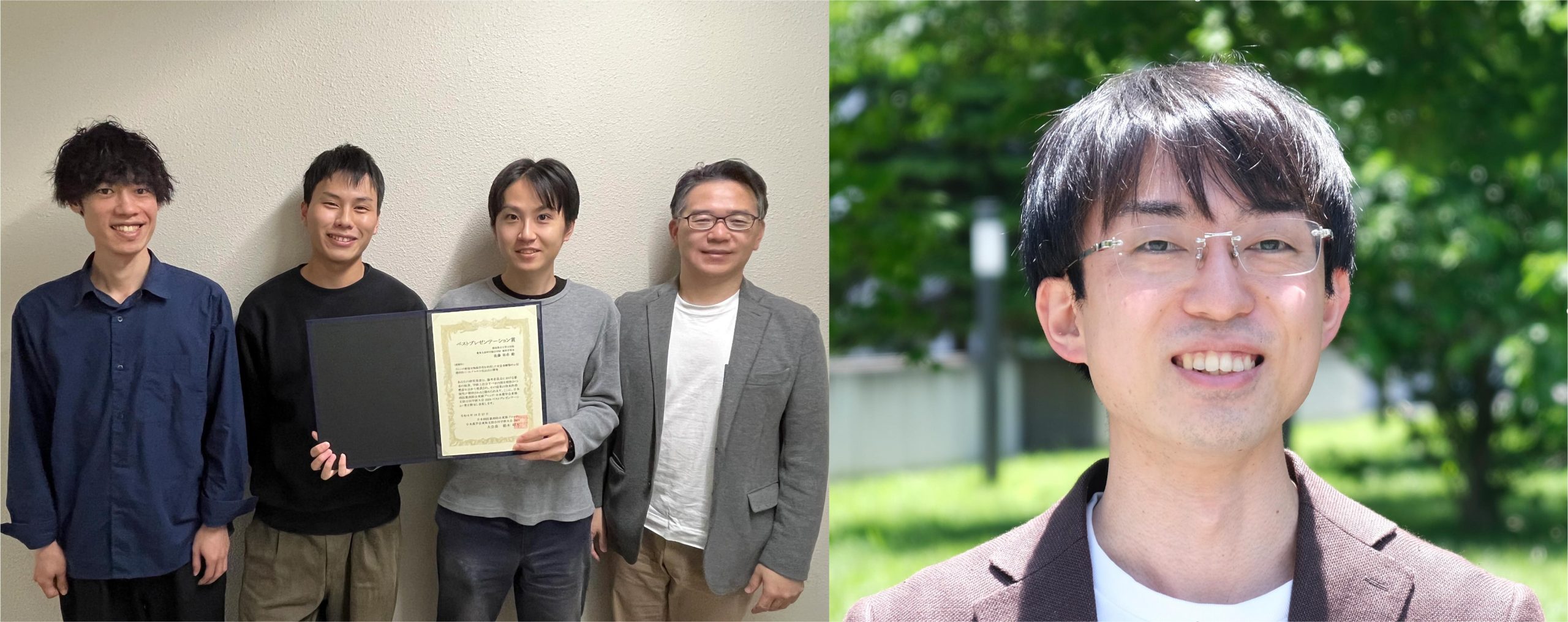
“I’m deeply honored to have collaborated with Associate Professor Hiroki Hayashi on this work. By integrating both experimental and computational approaches, we successfully revealed a novel photocatalysis of ketones. This project made me truly appreciate the power of the AFIR method in predicting reaction pathways. I hope our findings will open new avenues for controlling highly reactive radical species,” said Assistant Professor Kenji Yamashita from the University of Shizuoka.
This new methodology is inexpensive and generates minimal reaction waste making it highly accessible for developing pharmaceuticals and materials. Moreover, the photocatalytic mechanism of this method is promising for broader radical generation applications besides carboxy radicals.
Reference: “Direct Generation of Carboxyl Radicals from Carboxylic Acids Catalyzed by Photoactivated Ketones” by Kenji Yamashita, Hayate Sano, Yuki Goto, Hiroki Hayashi and Yoshitaka Hamashima, 2 July 2025, Journal of the American Chemical Society.
DOI: 10.1021/jacs.5c04571
This work was supported by grants from University of Shizuoka, Grants-in-Aid for Scientific Research (B) (22H02745), Grant-in-Aid for Challenging Research (Exploratory) (21K18965) , a grant from the Naito Foundation, JSPS-WPI, JST-ERATO (JPMJER1903) , and Transformative Research Areas (A) Green Catalysis Science for Renovating Transformation of Carbon-Based Resources (Green Catalysis Science) (24H01830) .
Never miss a breakthrough: Join the SciTechDaily newsletter.
Follow us on Google and Google News.