
Clinical trial of those who don’t require hospital admission warranted.
A widely available and inexpensive drug that is used to ease the symptoms of indigestion may prove a worthy contender for treating COVID-19 infection in those whose disease doesn’t require admission to hospital, suggest the findings of a small case series, published online in the journal Gut.
The effects were felt within 24 to 48 hours of taking famotidine, and a rigorous clinical trial is now warranted to see if the drug could be an effective treatment for COVID-19, say the researchers.
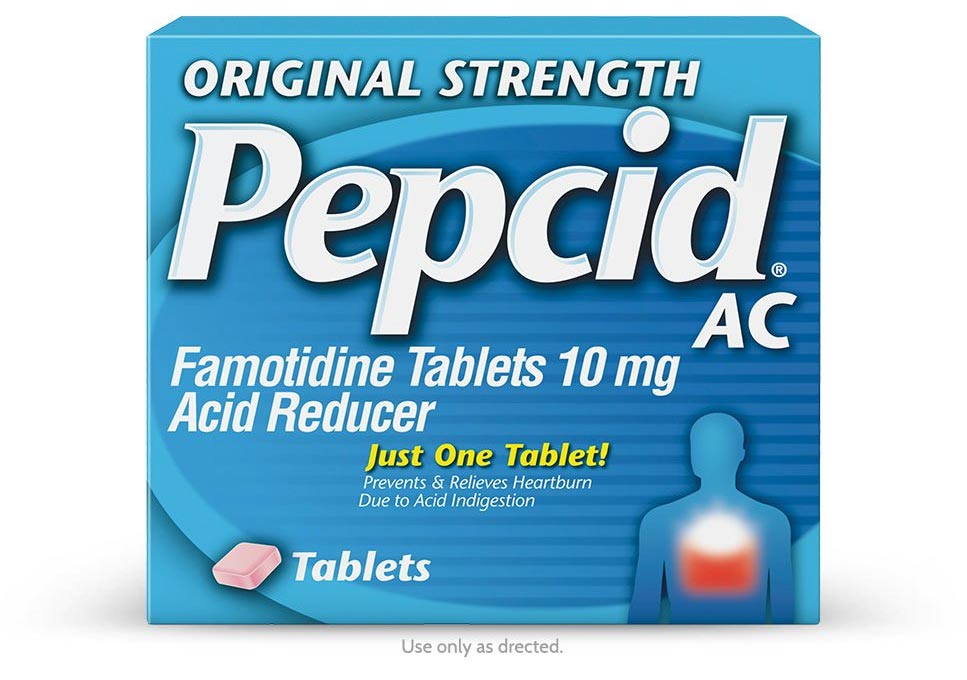
Famotidine (Pepcid AC) belongs to a class of drugs known as histamine-2 receptor antagonists, which reduce the amount of stomach acid produced. Famotidine can be taken in doses of 20-160 mg, up to four times a day, for the treatment of acid reflux and heartburn.
The researchers report on 10 people (6 men; 4 women) who developed COVID-19 infection, all of whom happened to have been taking famotidine during their illness.
The severity of five cardinal symptoms — cough; shortness of breath; fatigue; headache and loss of taste/smell as well as general unwellness — was measured using a version of a 4-point scale normally applied to assess the severity of cancer symptoms (ECOG PS).
Seven of the patients tested positive for COVID-19, using a swab test; two had antibodies to the infection; and one patient wasn’t tested but was diagnosed with the infection by a doctor.
Their ages ranged from 23 to 71 and they had a diverse range of ethnic backgrounds and known risk factors for COVID-19 severity, including high blood pressure and obesity.
All started taking famotidine when they were feeling very poorly with COVID-19, the symptoms of which had been going on from 2 up to 26 days at that point.
The most frequently used dose was 80 mg taken three times a day, with the average treatment period lasting 11 days, but ranging from 5 to 21 days.
All 10 patients said that symptoms quickly improved within 24-48 hours of starting famotidine and had mostly cleared up after 14 days.
Improvement was evident across all symptom categories assessed, but respiratory symptoms, such as cough and shortness of breath, improved more rapidly than systemic symptoms, such as fatigue.
Seven of the patients didn’t experience any side effects while on famotidine, and in the three who did, these were mild, and all but temporary forgetfulness were known side effects associated with taking the drug.
While promising, the researchers point out that the findings might have been affected by ‘the placebo effect,’ and/or hazy recall, added to which the number of case study participants was small.
“Our case series suggests, but does not establish, a benefit from famotidine treatment in outpatients with COVID-19,” they caution. And it’s not clear how famotidine might work: if it might incapacitate the virus in some way or alter a person’s immune response to it.
“Clinically, we unreservedly share the opinion that well-designed and informative studies of efficacy are required to evaluate candidate medications for COVID-19 as for other diseases,” they emphasize.
Nevertheless, they suggest their findings warrant further more detailed study, adding that a clinical trial, testing the combination of famotidine with the antimalarial drug hydroxychloroquine in patients admitted to hospitals with COVID-19, is already underway.
“An outpatient study of oral famotidine that investigates efficacy for symptom control, viral burden and disease outcome and assesses the effects of medication use on long-term immunity should be considered to establish if famotidine may be of use in controlling COVID-19 in individual patients while also reducing the risk of SARS-CoV-2 transmission,” they conclude.
Reference: “Famotidine use and quantitative symptom tracking for COVID-19 in non-hospitalised patients: a case series” by Tobias Janowitz, Eva Gablenz, David Pattinson, Timothy C Wang, Joseph Conigliaro, Kevin Tracey, David Tuveson, 5 June 2020, Gut.
DOI: 10.1136/gutjnl-2020-321852
Never miss a breakthrough: Join the SciTechDaily newsletter.
Follow us on Google and Google News.
1 Comment
I saw early on that Dr Robert Malone cured himself of Covid-10 (CCP virus) before any vaccines by taking taking Pepcid ((famotidine). As one who was taking Nexium and Losec for gastric reflux, I changed to Ausfam 20mg (famotidine) twice daily in 2020 for gastric reflux and have been fine ever since with no covid… go figure.