

CSIRO has created a complete, high-resolution underwater map of Tasmania’s Lake St Clair to finally determine the lake’s true depth.
A team of researchers from CSIRO, Australia’s national science agency, has created a detailed new visualization of one of Tasmania’s most famous natural landmarks.
Their work focuses on Lake St Clair, located in the island’s central highlands, which is recognized as the deepest lake in Australia.
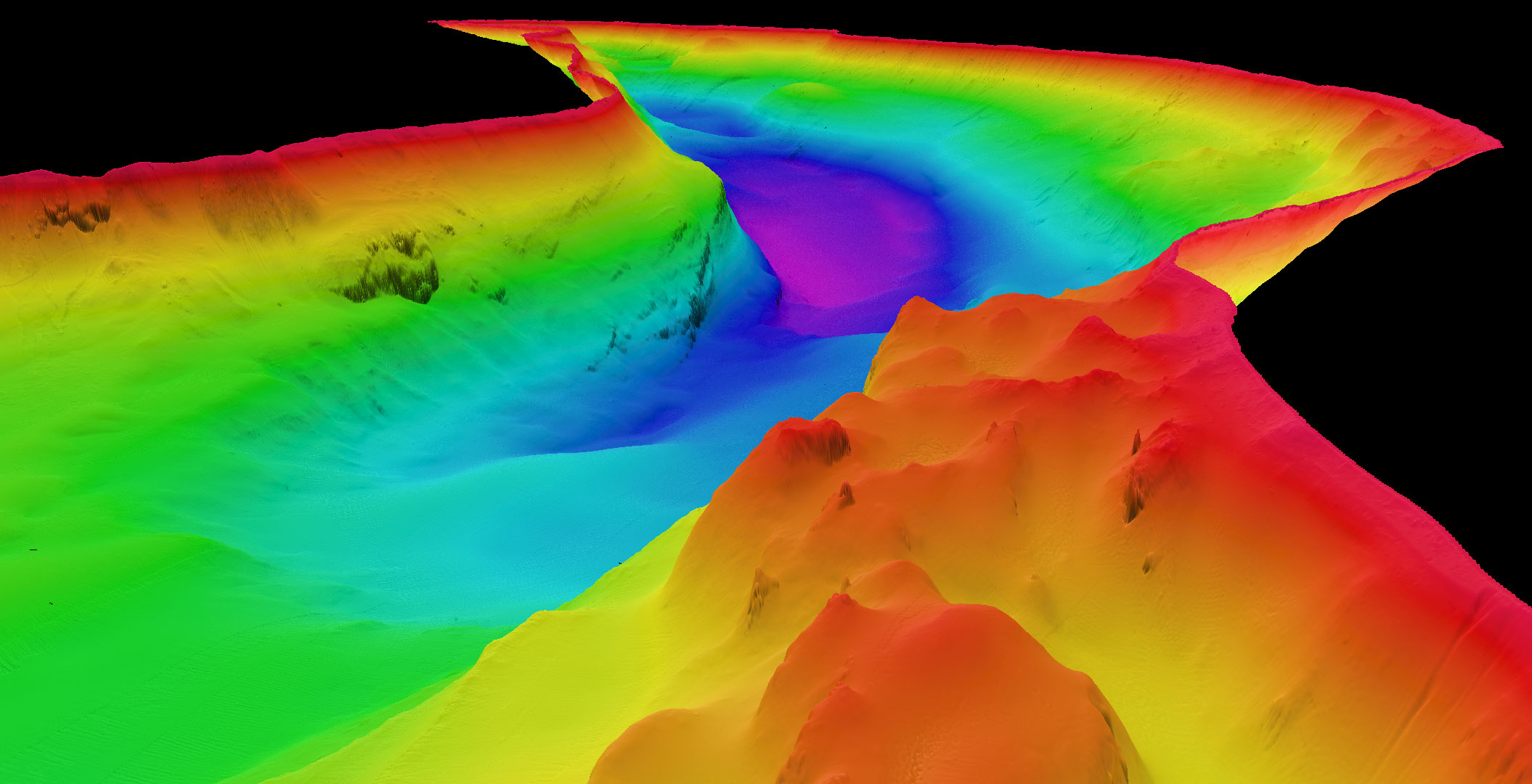
New technologies reveal hidden lake landscape
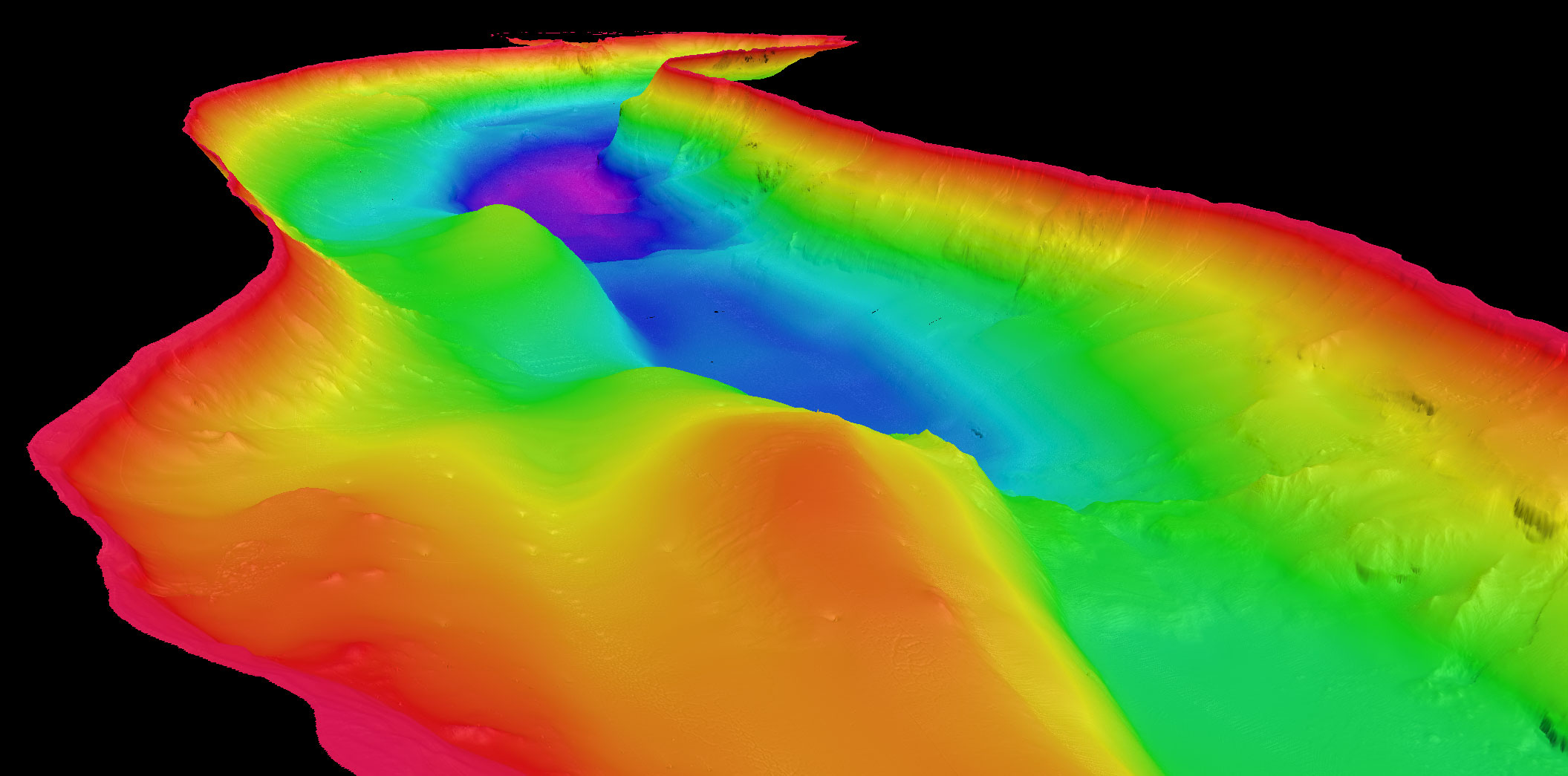
To map the lake in unprecedented detail, scientists combined multibeam sonar with Light Detection and Ranging (LIDAR) technology. These tools allowed the team to build the first high-resolution three-dimensional model of both the lakebed and the surrounding shoreline.
The survey revealed a complex underwater terrain that includes steep submerged cliffs, deep channels, and large rock structures hidden beneath the surface.
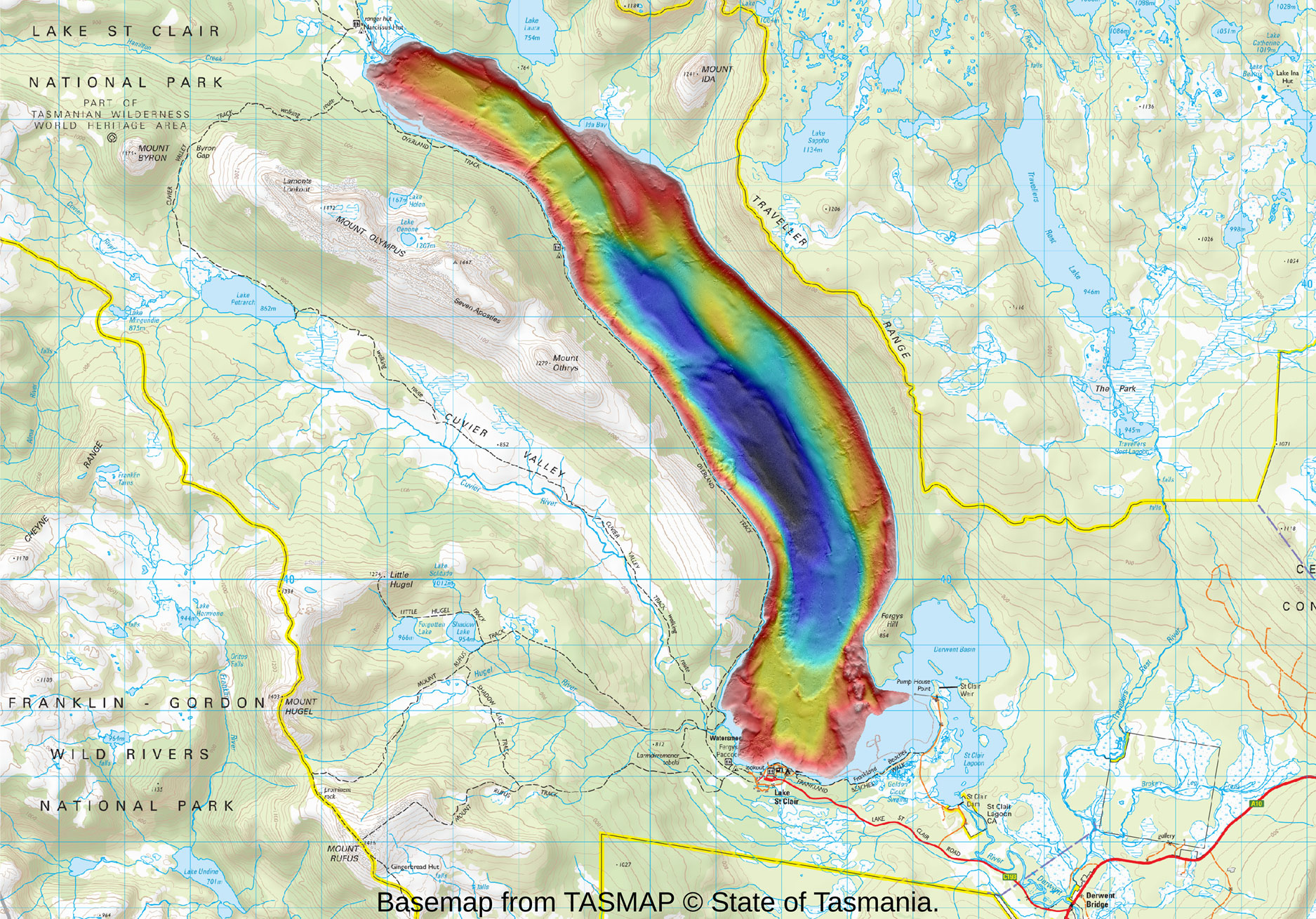
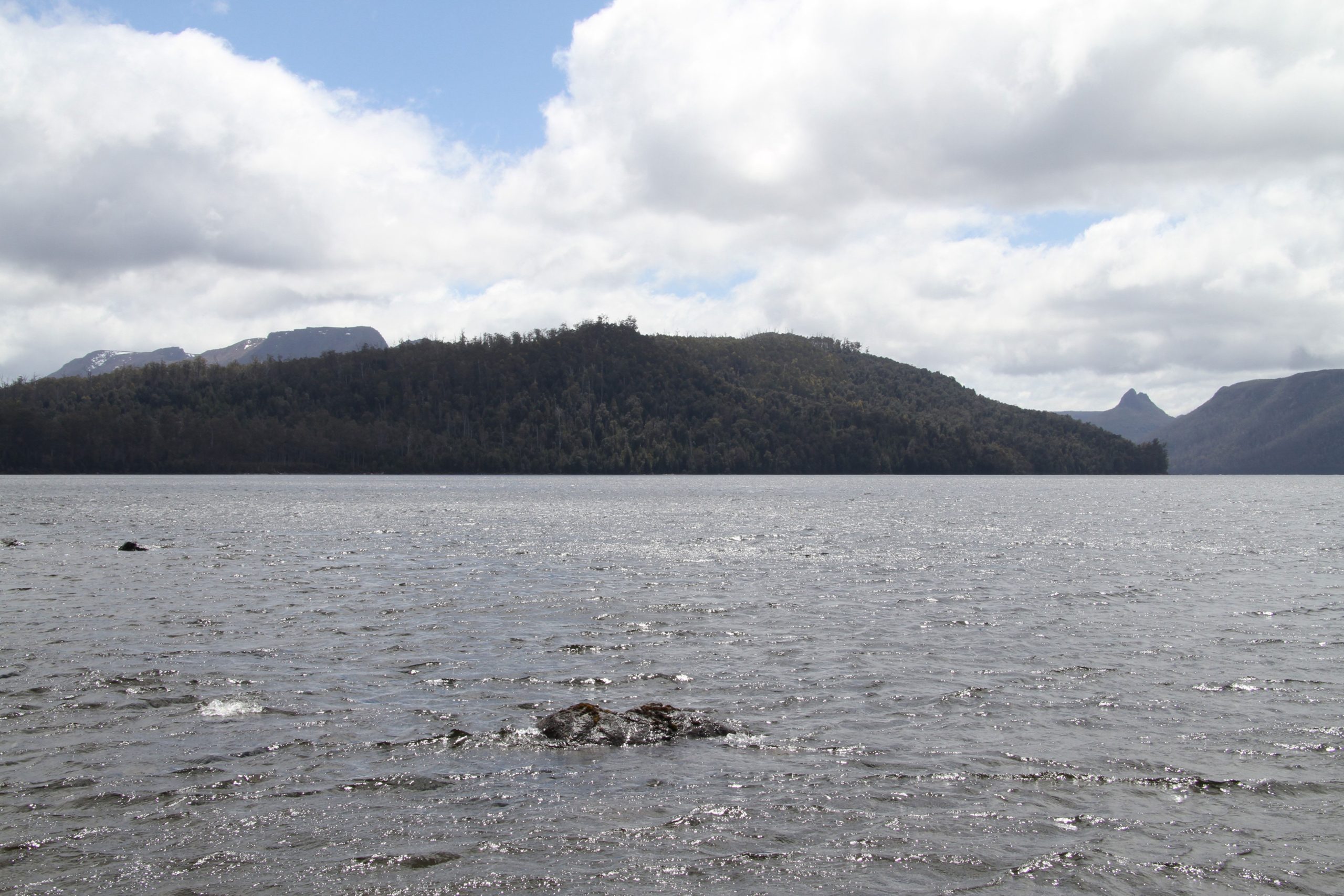
Lake St Clair itself was shaped long ago by powerful glaciers that carved through the surrounding bedrock. Today it is widely admired for its rugged scenery and forms part of the UNESCO World Heritage-listed Cradle Mountain Lake St Clair National Park.
Despite its popularity and scientific interest, the lake’s exact maximum depth had never been definitively measured, although earlier estimates placed it somewhere between 160 and 215 meters.
Mapping confirms Australia’s deepest lake
The new CSIRO survey has now resolved that uncertainty. Measurements show the deepest point of Lake St Clair reaches 163 meters. This confirms it as the deepest lake in Australia and places it well beyond the depth of any other lake in the country. For comparison, Bass Strait reaches a maximum depth of about 85 meters.
CSIRO hydrographic surveyor Augustin Déplante said the mapping provides both a clearer picture of the lake’s underwater structure and a definitive answer to the long-standing question about its depth.
“Our mapping confirms that Lake St Clair is absolutely Australia’s deepest lake, with the next deepest lake being less than 100 meters deep,” Mr Déplante said.
“We found Lake St Clair’s deepest point is close to the western shore on the bend in the lake about 4 kilometers north of the visitor centre, but there are several areas where the lake depth reaches 150 meters,” he said.
Advanced mapping technology uncovers new details
CSIRO plans to make the full three-dimensional dataset available to researchers, environmental managers, and other stakeholders. The information will support studies of underwater habitats and help scientists better understand how the lake formed.
It may also improve safety for vessels operating on the water and support future experiments, including testing autonomous underwater vehicles.
The mapping effort required careful surveying across the entire lake. Over the course of eight days, researchers worked through challenging weather conditions while using high-resolution multibeam echosounders. These sonar systems determine water depth by sending pulses of sound toward the lakebed and measuring the time it takes for the echoes to return.
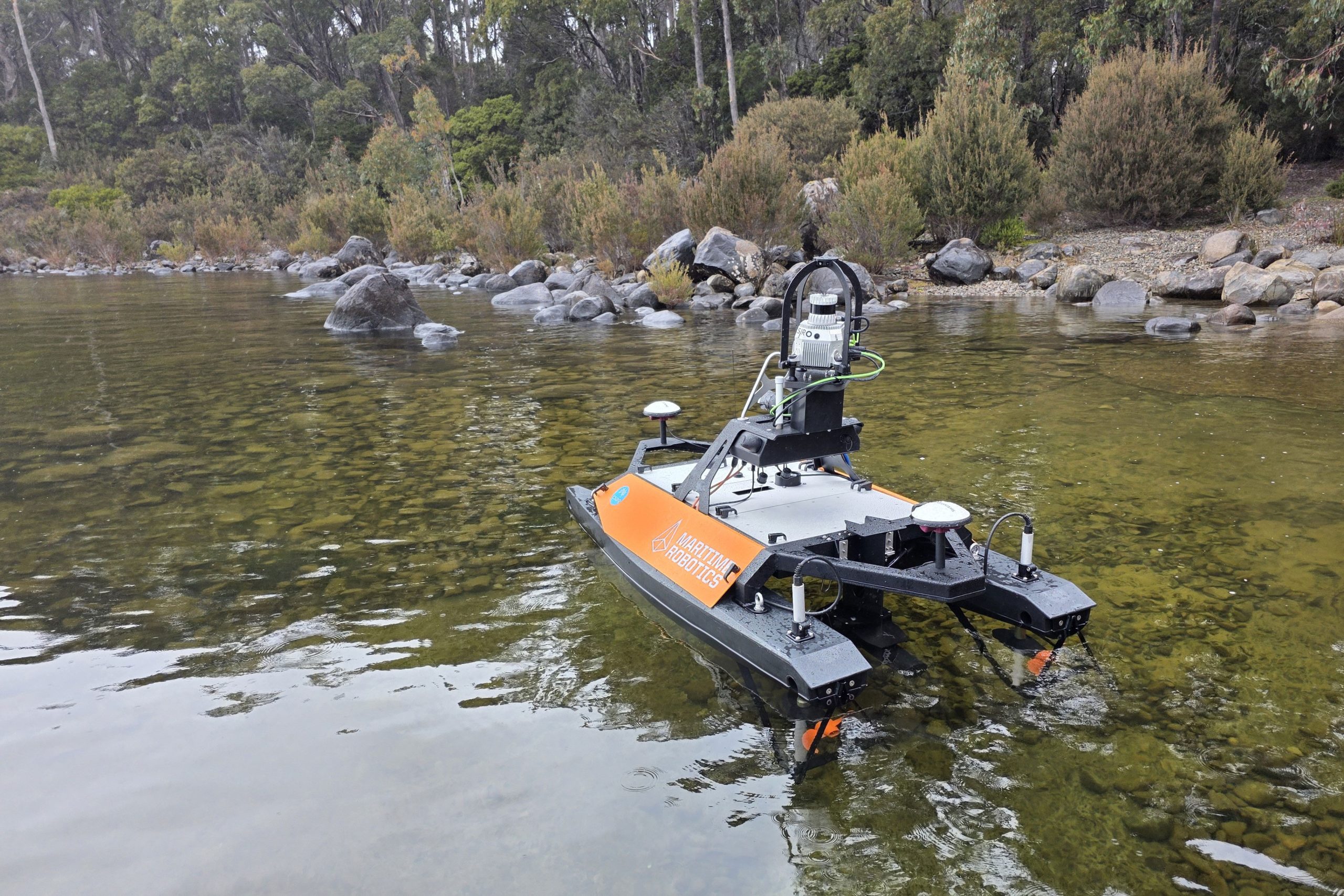
The project relied on an eight-meter twin-hulled research vessel known as RV South Cape. In addition, the team deployed a two-meter unmanned remotely operated vessel called the Otter. Because of its smaller size, the Otter could safely survey shallow sections of the lake that were inaccessible to larger boats.
The Otter was also equipped with LIDAR sensors to scan the lake’s shoreline. These measurements were combined with the underwater sonar data to create a single integrated three-dimensional model.
Detailed data reveals features on the lakebed
The resulting dataset captures the lake’s structure with remarkable precision, revealing previously unseen features along the bottom and edges of the lake.
“The mapping is highly detailed and can identify objects as small as 50 centimeters in some places. Along the shoreline, it shows the trees that have fallen into the lake and, in deeper areas, has revealed several mysterious features on the lakebed, sparking curiosity about their origins,” Mr Déplante said.
“While the data does not confirm the presence of a Lake St Clair ‘Loch Ness’ monster, it does offer a powerful new tool for exploring the lake’s hidden depths.
“Importantly, the project provided us with the opportunity for cross-disciplinary training for our team and to integrate the latest technologies into our toolbox to enhance the capabilities we offer the research community.”
Never miss a breakthrough: Join the SciTechDaily newsletter.
Follow us on Google and Google News.