
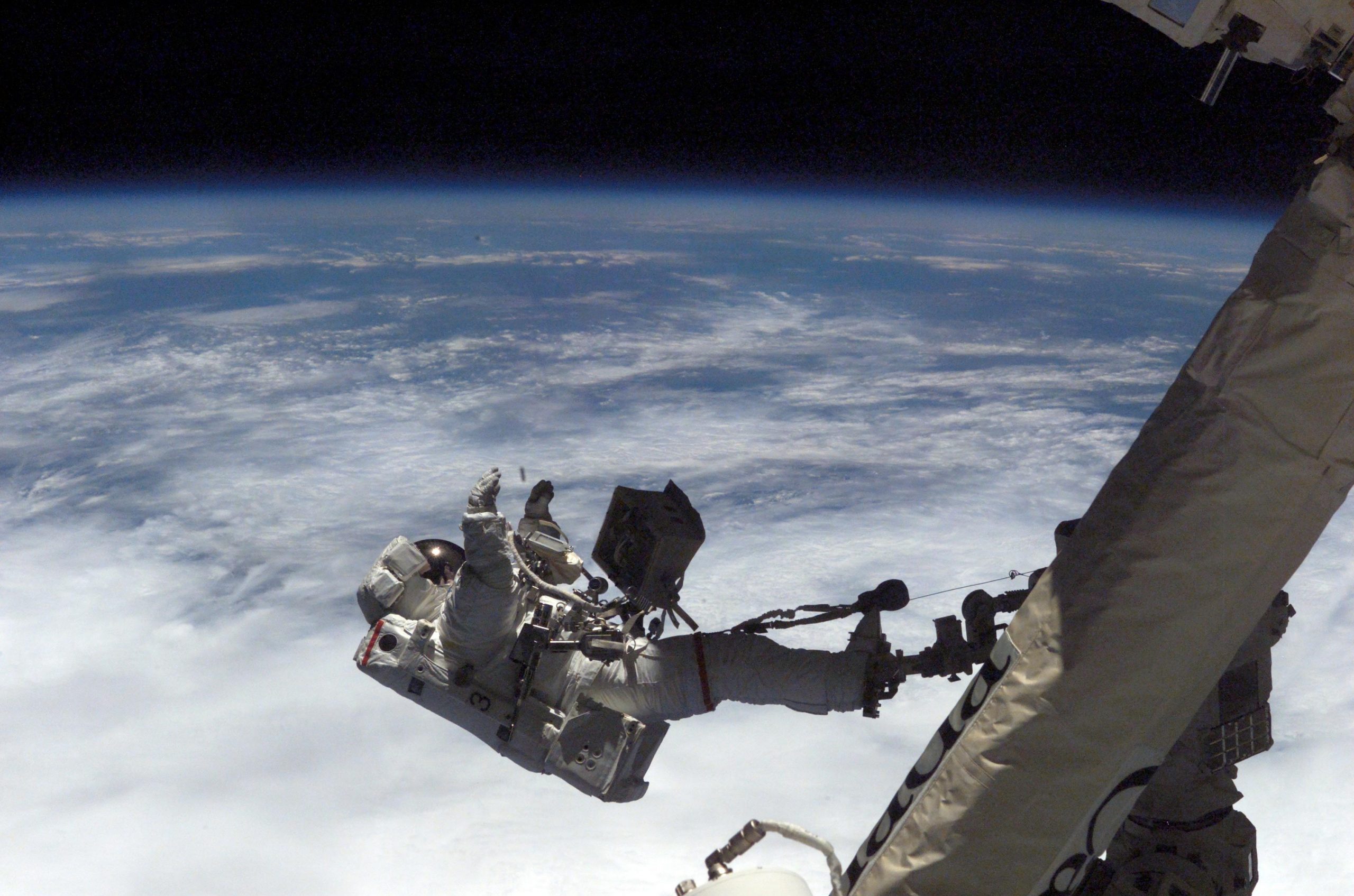
ESA’s BACTeRMA project tackles hygiene in shared spacesuit underlayers by testing novel, microbe-based antimicrobial coatings for long-duration lunar missions.
Spacewalking is a major highlight of any astronaut’s career. But there is a downside: putting on your spacesuit means sharing some previously worn underlayers. A new ESA study is looking into how best to keep these items clean and hygienic as humans venture onto the Moon and beyond.
During the Space Shuttle era, each astronaut was issued with their own ‘External Mobility Unit,’ the official term for a spacesuit. But crews aboard the International Space Station have shifted to sharing suits, with differently sized segments put together to fit a given spacewalker.
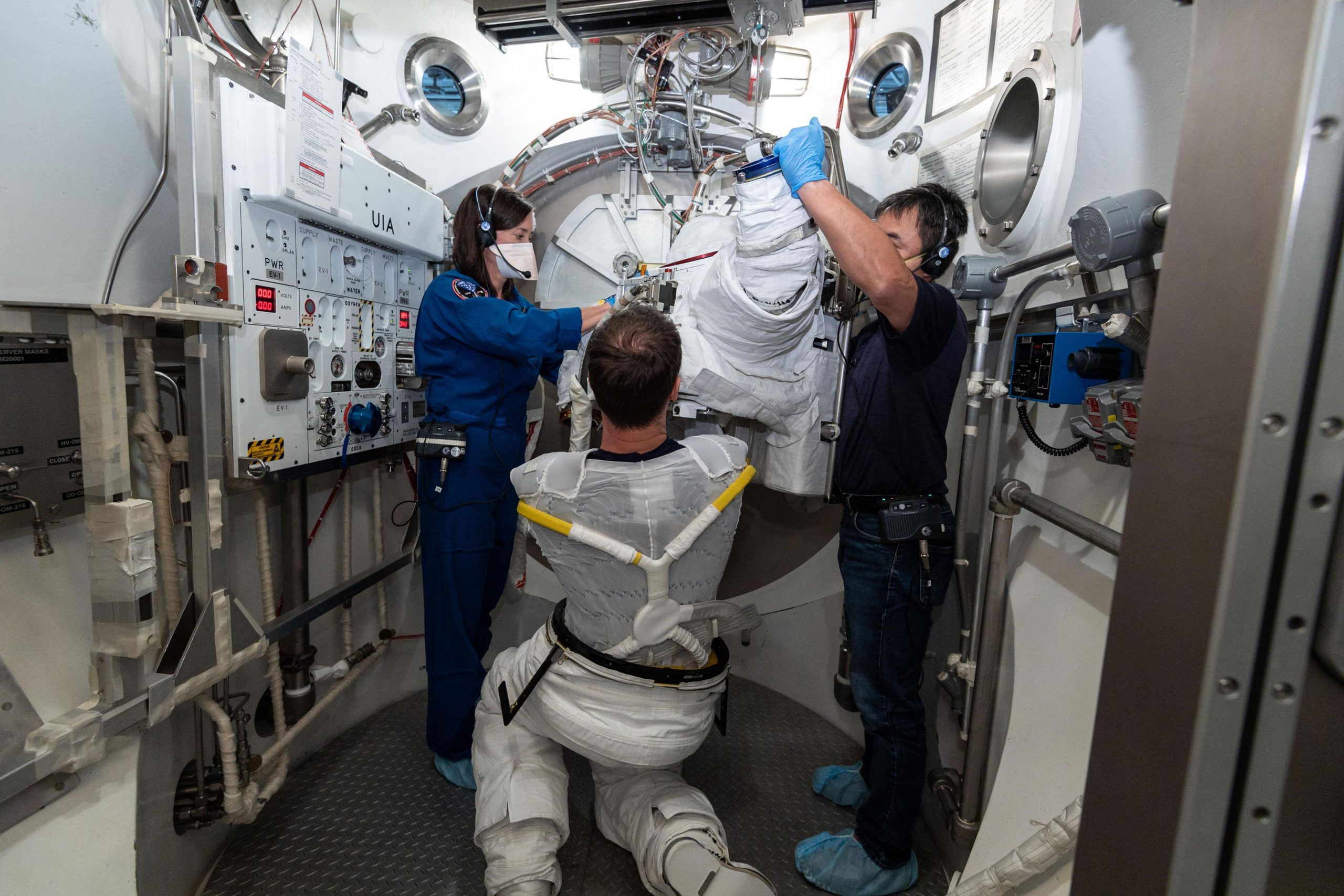
The first item spacewalkers put on is a (disposable) ‘Maximum Absorbency Garment’ diaper, then their own ‘Thermal Comfort Undergarment,’ followed by the long-underwear-like Liquid Cooling and Ventilation Garment (LCVG). Worn next to the skin, the LCVG incorporates liquid cooling tubes and gas ventilation to keep its wearer cool and comfortable during the sustained physical exertion of work in a hard vacuum.
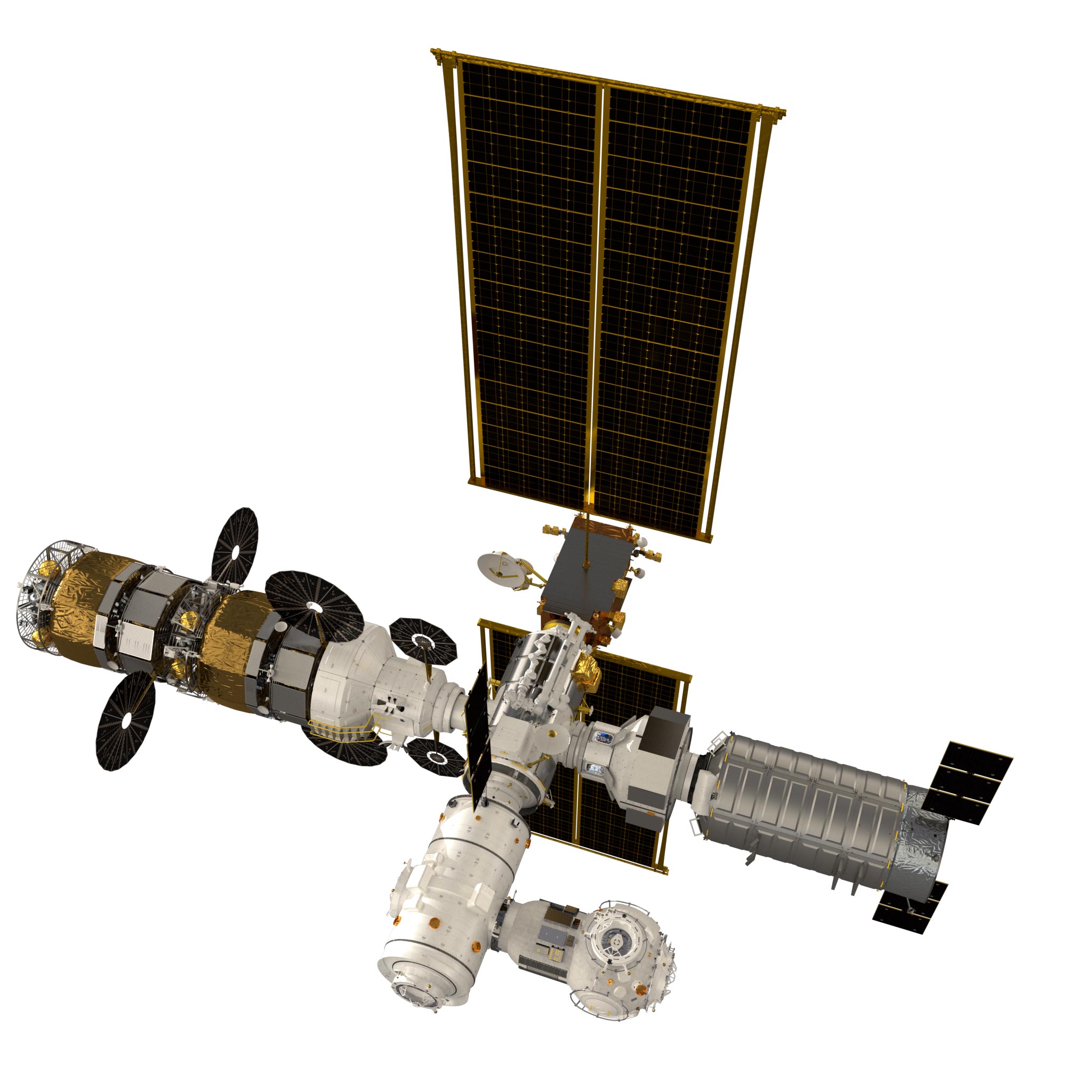
But the LCVG is reused by different spacewalkers along with the spacesuits themselves. Such reuse is expected to grow once crews are established aboard the Gateway later this decade, a new international space station in lunar orbit.
ESA Launches BACTeRMA for Antimicrobial Textiles
With such long-term sharing in mind, ESA has commenced a new project called ‘Biocidal Advanced Coating Technology for Reducing Microbial Activity,’ or BACTeRMA for short.

“Spaceflight textiles, especially when subject to biological contamination – for example, spacesuit underwear – may pose both engineering and medical risks during long-duration flights,” explains ESA material engineer Malgorzata Holynska.
“We are already investigating candidate materials for outer spacesuit layers so this early technology development project is a useful complement, looking into small bacteria-killing molecules that may be useful for all kinds of spaceflight textiles, including spacesuit interiors.”
ESA life support specialist Christophe Lasseur adds: “Hygiene is always a concern aboard the International Space Station. Astronauts wear their clothes on alternating days then eventually they are disposed of – burnt up inside reentering spacecraft. But there are some items and surfaces which have to be shared.”
The standard method of preventing biological contamination is the use of antimicrobial materials such as silver or copper, whose ions in the presence of oxygen or water disrupt the normal working of microbial physiology.
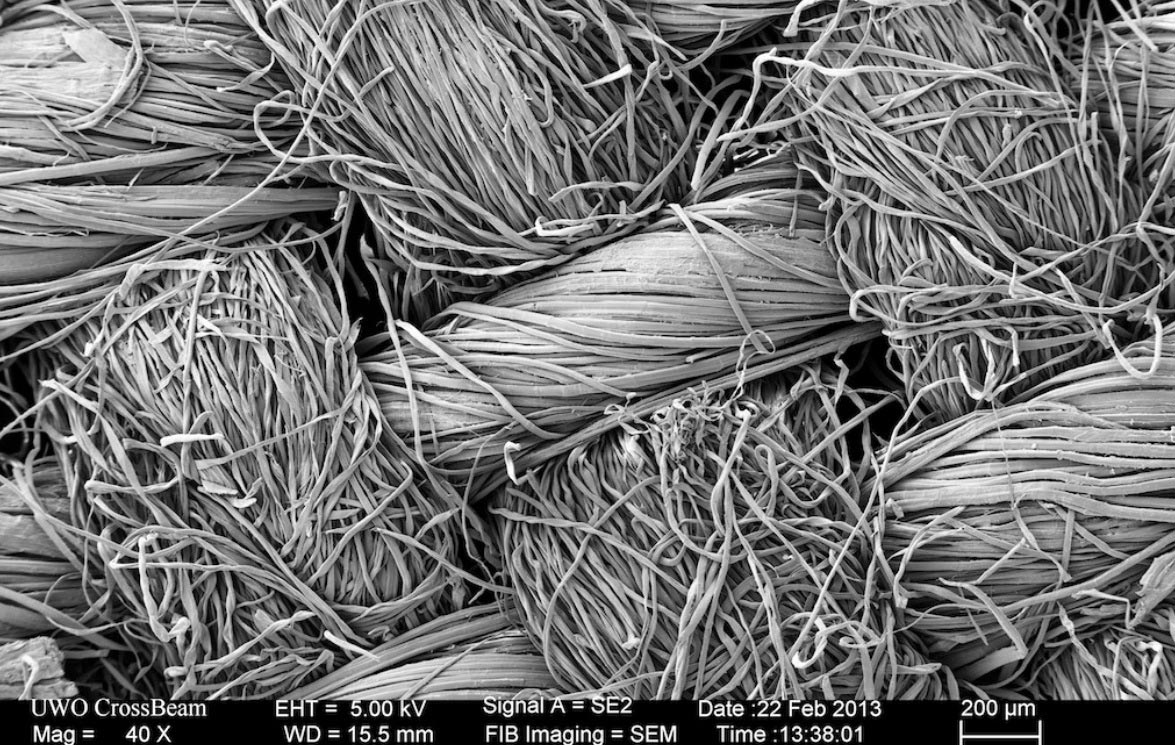
“The problem is that their long-term use can provoke skin irritation, while the metals themselves may tarnish over time,” explains Seda Özdemir-Fritz Bacterma project scientist of the Austrian Space Forum (Österreichisches Weltraum Forum /OeWF), the project’s prime contractor.
Harnessing Microbe-Derived Metabolites for Protection
“To provide an alternative, we are collaborating with the Vienna Textile Lab. They have exclusive access to a unique bacteriographic collection. Those microorganisms produce so-called secondary metabolites. These compounds are typically colorful, and some exhibit versatile properties: antimicrobial, antiviral, and antifungal.
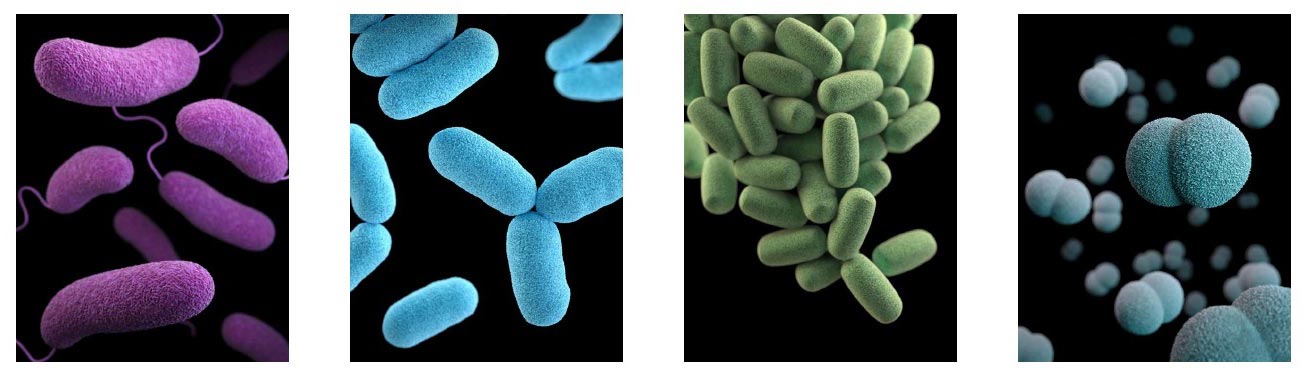
ESA is collaborating with the Austrian Space Forum and the Vienna Textile Lab on using the properties of so-called secondary metabolites to prevent bacterial contamination. Bacteria themselves produce these compounds, which exhibit antimicrobial, antiviral, and antifungal properties, to protect themselves from environmental conditions. Credit: OeWF
“It might sound counterintuitive to get rid of microbes using the products of microbes, but all kinds of organisms use secondary metabolites to protect themselves from extreme environmental conditions. The project will examine them as an innovative antimicrobial textile finish.”
The project will develop, and test further innovative textile finishes with antimicrobial properties. The Austrian Space Forum together with Vienna Textile Lab will test processed textiles for their antimicrobial properties and will expose them to perspiration and radiation. Simulated lunar dust will also be added to the mix, because the expectation is that the astronauts’ working environment may become dusty after repeated trips to the surface of the Moon or Mars.
“Radiation testing will simulate prolonged storage in the deep space environment,” adds Malgorzata. “Radiation is known to age and degrade textiles in complex ways.”
The idea for the two-year BACTeRMA project was proposed by OeWF in cooperation with the Vienna Textile Lab as subcontractor, through ESA’s Open Space Innovation Platform, seeking out promising ideas for space research from any source.
OeWF is a space research organization: different experts across various science domains come together in the OeWF to work on space topics, with a special focus on spacesuit technology.
“Christopher Columbus needed ship builders to make his journey happen, and that’s the kind of contribution we in the OeWF hope to make,” says Seda Özdemir-Fritz. “We’re interested in the human factors involved in future Moon Mars missions, so we perform ‘analog astronaut’ simulations and analysis.”
Never miss a breakthrough: Join the SciTechDaily newsletter.
Follow us on Google and Google News.
1 Comment
… mano use nano, and figure out how to use microwave as a cleaner, that was done before, but issues with: patents, chemical industry, intellectual rights …etc
over non polluting water. … Well clean planet vs intellectual right that were not from those who claim them now…
… people are polluting, polluting, polluting, but who cares…