
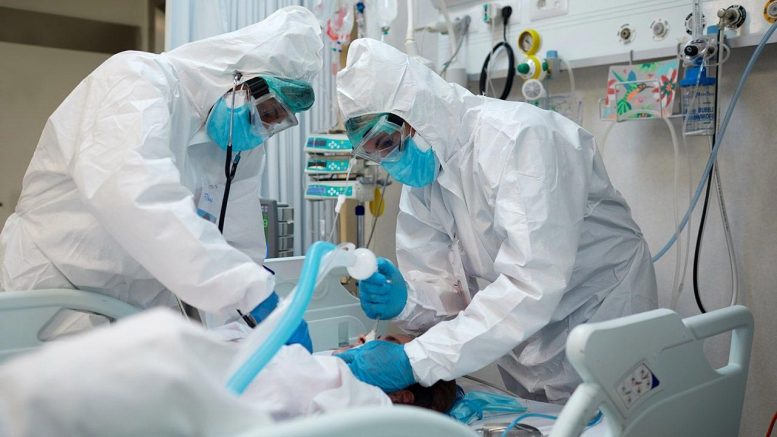
University of Alberta researchers find SARS-CoV-2 infects immature red blood cells, reducing oxygen in the blood and impairing immune response.
A new study published in the journal Stem Cell Reports by University of Alberta researchers is shedding light on why many COVID-19 patients, even those not in the hospital, are suffering from hypoxia—a potentially dangerous condition in which there is decreased oxygenation in the body’s tissues. The study also shows why the anti-inflammatory drug dexamethasone has been an effective treatment for those with the virus.
“Low blood-oxygen levels have been a significant problem in COVID-19 patients,” said study lead Shokrollah Elahi, associate professor in the Faculty of Medicine & Dentistry. “Because of that, we thought one potential mechanism might be that COVID-19 impacts red blood cell production.”
In the study, Elahi and his team examined the blood of 128 patients with COVID-19. The patients included those who were critically ill and admitted to the ICU, those who had moderate symptoms and were admitted to the hospital, and those who had a mild version of the disease and only spent a few hours in the hospital. The researchers found that, as the disease became more severe, more immature red blood cells flooded into blood circulation, sometimes making up as much as 60 percent of the total cells in the blood. By comparison, immature red blood cells make up less than one percent, or none at all, in a healthy individual’s blood.
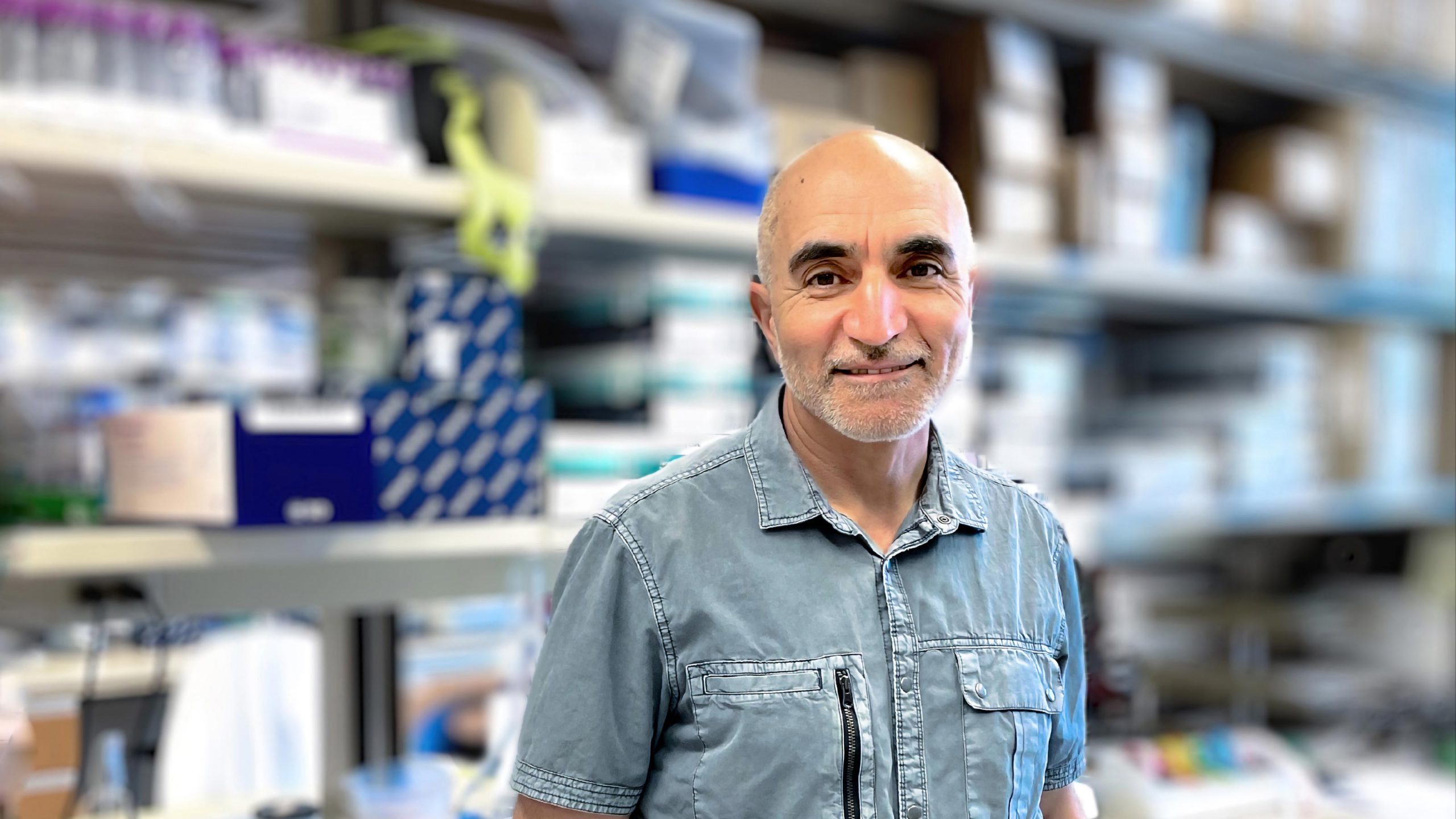
“Immature red blood cells reside in the bone marrow and we do not normally see them in blood circulation,” explained Elahi, who is also a member of the Women and Children’s Health Research Institute and the Cancer Research Institute of Northern Alberta. “This indicates that the virus is impacting the source of these cells. As a result, and to compensate for the depletion of healthy immature red blood cells, the body is producing significantly more of them in order to provide enough oxygen for the body.”
Immature Red Blood Cells Susceptible to COVID-19
The problem is that immature red blood cells do not transport oxygen—only mature red blood cells do. The second issue is that immature red blood cells are highly susceptible to COVID-19 infection. As immature red blood cells are attacked and destroyed by the virus, the body is unable to replace mature red blood cells—which only live for about 120 days—and the ability to transport oxygen in the bloodstream is diminished.
The question was how the virus infects the immature red blood cells. Elahi, known for his prior work demonstrating that immature red blood cells made certain cells more susceptible to HIV, began by investigating whether the immature red blood cells have receptors for SARS-CoV-2. After a series of studies, Elahi’s team was the first in the world to demonstrate that immature red blood cells expressed the receptor ACE2 and a co-receptor, TMPRSS2, which allowed SARS-CoV-2 to infect them.
Working in conjunction with the lab of virologist Lorne Tyrrell at the U of A’s Li Ka Shing Institute of Virology, the team performed investigative infection testing with immature red blood cells from COVID-19 patients and proved these cells got infected with the SARS-CoV-2 virus.
“These findings are exciting but also show two significant consequences,” Elahi said. “First, immature red blood cells are the cells being infected by the virus, and when the virus kills them, it forces the body to try to meet the oxygen supply requirements by pumping more immature red blood cells out of the bone marrow. But that just creates more targets for the virus.
“Second, immature red blood cells are actually potent immunosuppressive cells; they suppress antibody production and they suppress T-cell immunity against the virus, making the entire situation worse. So in this study, we have demonstrated that more immature red blood cells mean a weaker immune response against the virus.”
The Dexamethasone Mechanism
Following the discovery that immature red blood cells have receptors that allow them to become infected by the coronavirus, Elahi’s team then began testing various drugs to see whether they could reduce immature red blood cells’ susceptibility to the virus.
“We tried the anti-inflammatory drug dexamethasone, which we knew helped to reduce mortality and the duration of the disease in COVID-19 patients, and we found a significant reduction in the infection of immature red blood cells,” said Elahi.
When the team began exploring why dexamethasone had such an effect, they found two potential mechanisms. First, dexamethasone suppresses the response of the ACE2 and TMPRSS2 receptors to SARS-CoV-2 in immature red blood cells, reducing the opportunities for infection. Second, dexamethasone increases the rate at which the immature red blood cells mature, helping the cells shed their nuclei faster. Without the nuclei, the virus has nowhere to replicate.
Luckily, putting Elahi’s findings into practice doesn’t require significant changes in the way COVID-19 patients are being treated now.
“For the past year, dexamethasone has been widely used in COVID-19 treatment, but there wasn’t a good understanding as to why or how it worked,” Elahi said. “So we are not repurposing or introducing a new medication; we are providing a mechanism that explains why patients benefit from the drug.”
Reference: “Erythroid precursors and progenitors suppress adaptive immunity and get invaded by SARS-CoV-2” by Shima Shahbaz, Lai Xu, Mohammed Osman, Wendy Sligl, Justin Shields, Michael Joyce, D. Lorne Tyrrell, Olaide Oyegbami and Shokrollah Elahi, 11 May 2021, Stem Cell Reports.
DOI: 10.1016/j.stemcr.2021.04.001
Elahi noted that Wendy Sligl and Mohammed Osman had a crucial role in recruiting COVID-19 patients for the study. The research was supported by Fast Grants, the Canadian Institutes of Health Research and a grant from the Li Ka Shing Institute of Virology.
Never miss a breakthrough: Join the SciTechDaily newsletter.
Follow us on Google and Google News.