
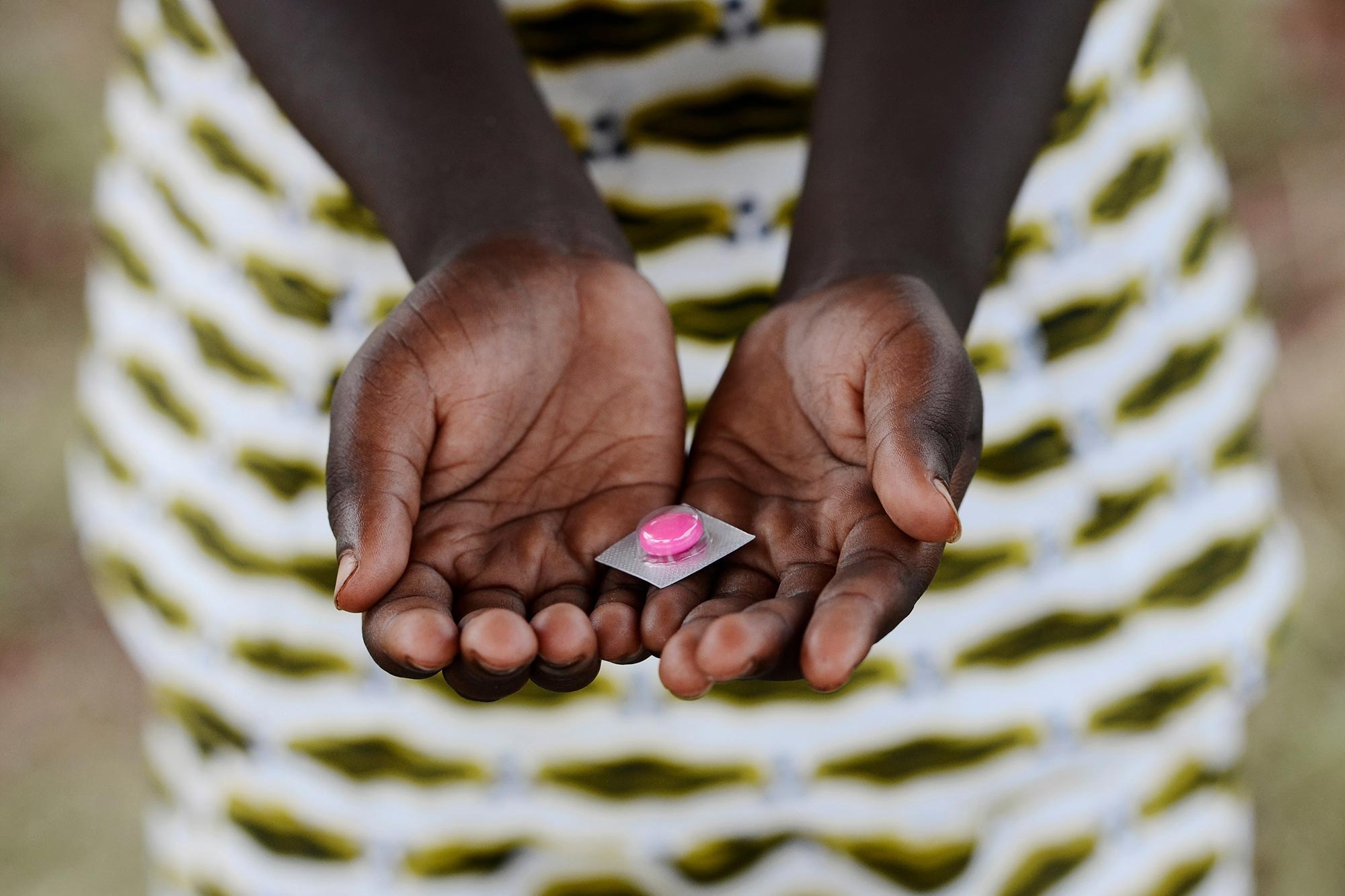
Once hailed as a miracle antiparasitic, ivermectin has been wrongly promoted as a COVID-19 treatment despite no supporting clinical evidence. Misuse has caused overdoses and undermined the drug’s remarkable legacy in global health.
Ivermectin is an over 30-year-old wonder drug that treats life- and sight-threatening parasitic infections. Its lasting influence on global health has been so profound that two of the key researchers in its discovery and development were awarded the Nobel Prize in 2015.
I’ve been an infectious disease pharmacist for over 25 years. I’ve also managed patients who delayed proper treatment for their severe COVID-19 infections because they thought ivermectin could cure them.
Although ivermectin has been a game-changer for people with certain infectious diseases, it isn’t going to save patients from COVID-19 infection. In fact, it could cost them their lives.
Let me tell you a short story about the history of ivermectin.
Developing Ivermectin for Animal Use
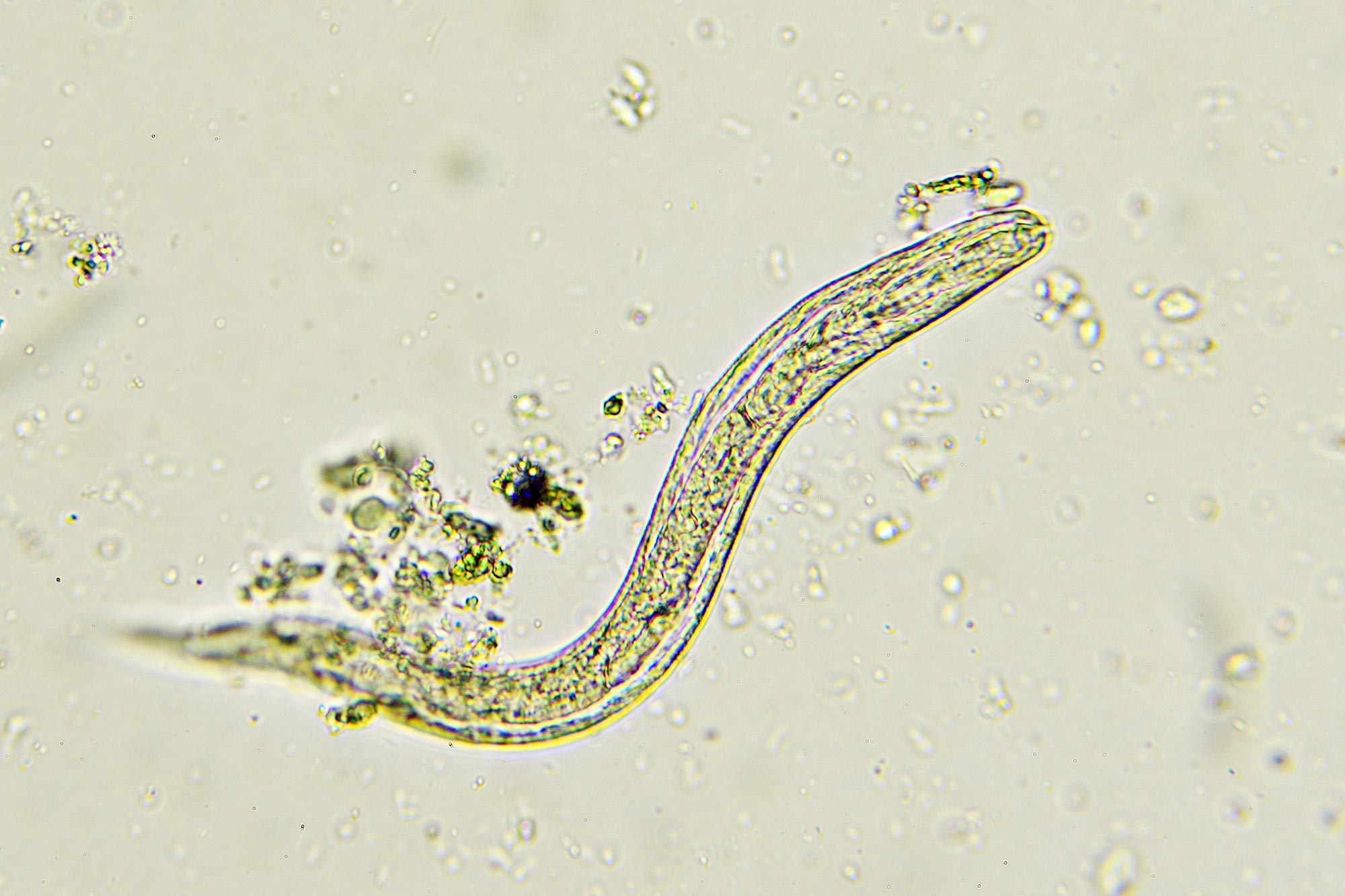
Ivermectin was first identified in the 1970s during a veterinary drug screening project at Merck Pharmaceuticals. Researchers focused on discovering chemicals that could potentially treat parasitic infections in animals. Common parasites include nematodes, such as flatworms and roundworms, and arthropods, such as fleas and lice. All of these infectious organisms are quite different from viruses.
Merck partnered with the Kitasato Institute, a medical research facility in Japan. Satoshi Omura and his team isolated a group of chemicals called avermectin from bacteria found in a single soil sample near a Japanese golf course. To my knowledge, avermectin has yet to be found in any other soil sample in the world.
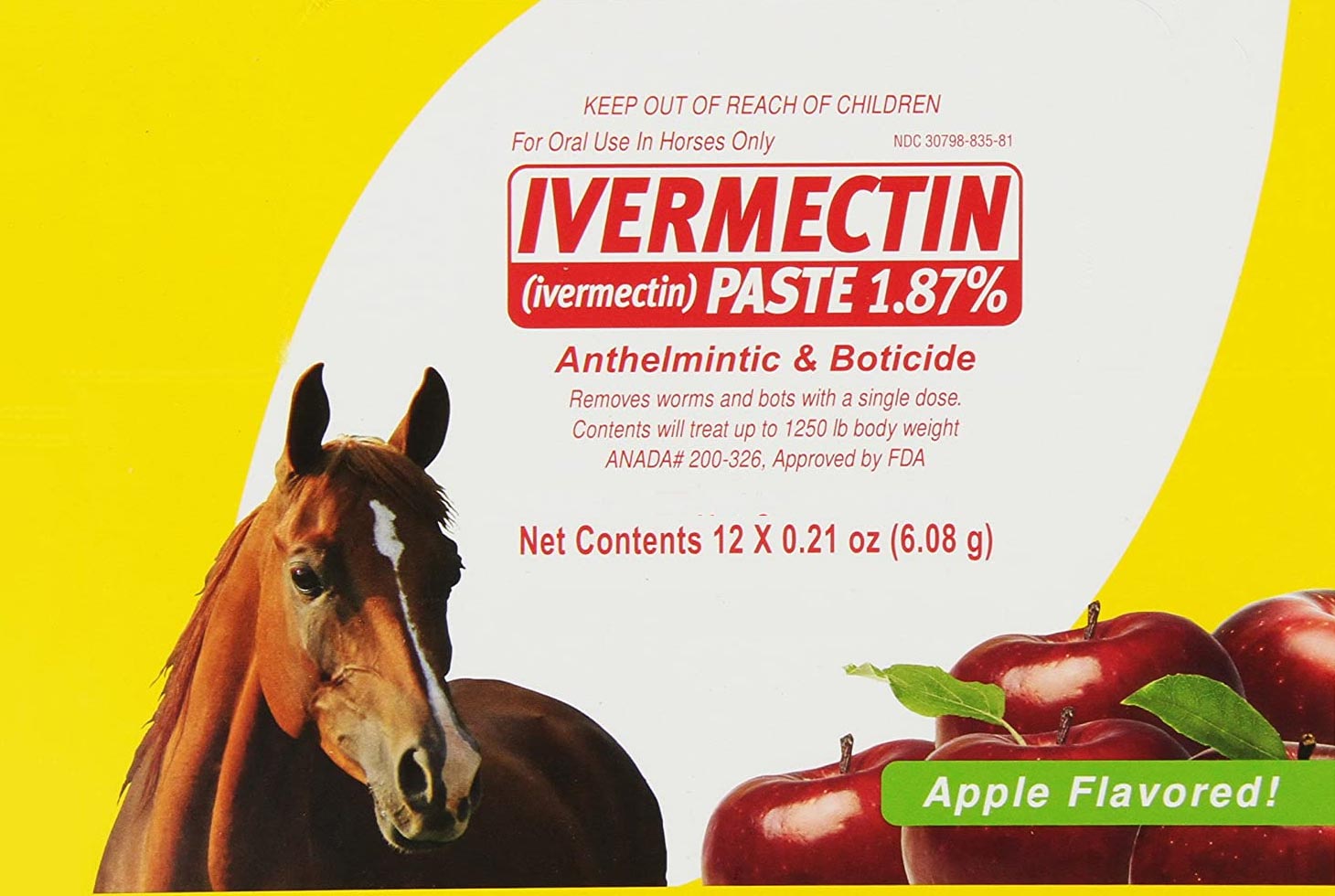
Research on avermectin continued for approximately five years. Soon, Merck and the Kitasato Institute developed a less toxic form they named ivermectin. It was approved in 1981 for commercial use in veterinary medicine for parasitic infections in livestock and domestic pets with the brand name Ivomec.
Developing Ivermectin for Human Use
Early experiments by William Campbell and his team from Merck discovered that the drug also worked against a human parasite that causes an infection called river blindness.
River blindness, also known as onchocerciasis, is the second leading cause of preventable blindness in the world. It is transmitted to humans from blackflies carrying the parasitic worm Onchocerca volvulus and occurs predominantly in Africa.
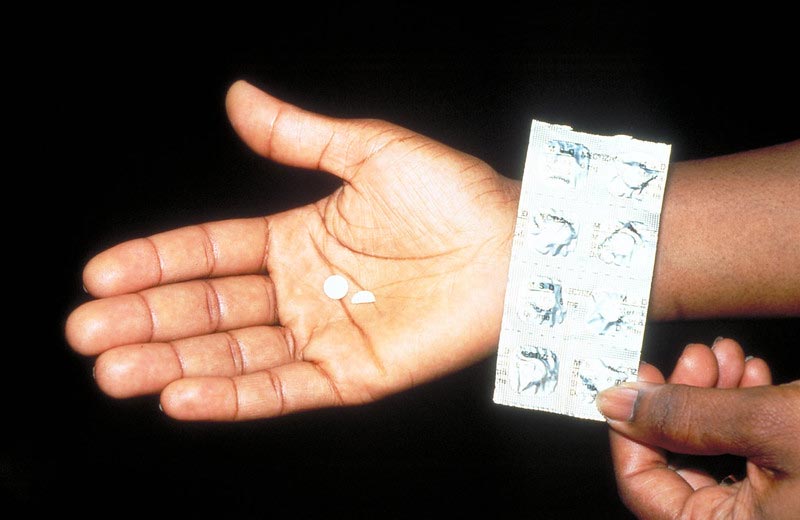
Ivermectin underwent trials to treat river blindness in 1982 and was approved in 1987. It has since been distributed free of charge through the Mectizan Donation Program to dozens of countries. Thanks to ivermectin, river blindness has been essentially eliminated in 11 Latin American countries, preventing approximately 600,000 cases of blindness.
These two decades of extensive work to discover, develop and distribute ivermectin helped to significantly reduce human suffering from river blindness. It’s these efforts that were recognized by the 2015 Nobel Prize in Physiology or Medicine, awarded to both William Campbell and Satoshi Omura for their leadership on this groundbreaking research.

Repurposing Drugs for Other Uses
Infectious disease researchers frequently attempt to repurpose antimicrobials and other medications to treat infections. Drug repurposing is attractive because the approval process can happen more quickly and at a lower cost since nearly all of the basic research has already been completed.
In the years since it was approved to treat river blindness, ivermectin was also shown to be highly effective against other parasitic infections. This includes strongyloidiasis, an intestinal roundworm infection that affects an estimated 30 to 100 million people worldwide.
Another example is amphotericin B, originally approved to treat human yeast and mold infections. Researchers discovered it can also be an effective treatment for severe forms of leishmaniasis, a parasitic infection prevalent in tropical and subtropical countries.
Likewise, doxycycline is an antibiotic used for a wide variety of human bacterial infections such as pneumonia and Lyme disease. It was later found to also be highly effective in preventing and treating malaria.
Repurposing Drugs for COVID-19
Not every attempt at repurposing a drug works as hoped, however.
At the start of the pandemic, scientists and doctors tried to find inexpensive medications to repurpose for the treatment and prevention of COVID-19. Chloroquine and hydroxychloroquine were two of those drugs. They were chosen because of possible antiviral effects documented in laboratory studies and limited anecdotal case reports from the first COVID-19 outbreaks in China. However, large clinical studies of these drugs to treat COVID-19 did not translate to any meaningful benefits. This was partly due to the serious toxic effects patients experienced before the drugs reached a high enough dose to inhibit or kill the virus.
Unfortunately, lessons from these failed attempts have not been applied to ivermectin. The false hope around using ivermectin to treat COVID-19 originated from an April 2020 laboratory study in Australia. Although the results from this study were widely circulated, I immediately had serious doubts. The concentration of ivermectin they tested was 20 to 2,000 times higher than the standard dosages used to treat human parasitic infections. Indeed, many other pharmaceutical experts confirmed my initial concerns within a month of the paper’s publication. Such high concentrations of the drug could be significantly toxic.
Another commonly cited paper on ivermectin’s purported effects against COVID-19 was withdrawn in July 2021 after scientists found serious flaws with the study. These flaws ranged from incorrect statistical analyses to discrepancies between collected data and published results to duplicated patient records and the inclusion of study subjects who died before even entering the study. Even more concerning, at least two other oft-cited studies have raised significant concerns about scientific fraud.
At the time of this writing, two large randomized clinical trials both showed no significant benefit from the use of ivermectin for COVID-19. Reputable national and international health care organizations, including the World Health Organization, the Centers for Disease Control and Prevention, the National Institutes of Health, the Food and Drug Administration and the Infectious Diseases Society of America, unanimously recommend against the use of ivermectin to prevent or treat COVID-19 unless in the context of a clinical trial.
Consequences of Using Ivermectin for COVID-19
Unfortunately, many organizations with dubious intentions have continued to promote unsubstantiated use of invermectin for COVID-19. This has led to a dramatic rise in ivermectin prescriptions and a flood of calls to U.S. poison control centers for ivermectin overdoses. Many calls were due to ingestion of large amounts of veterinary products containing ivermectin – two deaths linked to ivermectin overdose were reported in September 2021.
Ivermectin, when used correctly, has prevented millions of potentially fatal and debilitating infectious diseases. It’s meant to be prescribed only to treat infections caused by parasites. It’s not meant to be prescribed by parasites looking to extract money from desperate people during a pandemic. It’s my sincere hope that this unfortunate and tragic chapter in the otherwise incredible story of a lifesaving medication will come to a quick end.
Written by Jeffrey R. Aeschlimann, Associate Professor of Pharmacy, University of Connecticut.
This article was first published in The Conversation.
Never miss a breakthrough: Join the SciTechDaily newsletter.
Follow us on Google and Google News.
5 Comments
How about: Ivermectin for prevention and treatment of COVID-19 infection: a systematic review, meta-analysis and trial sequential analysis to inform clinical guidelines
May 2021
DOI: 10.31219/osf.io/dzs2v
With conclusion: Moderate-certainty evidence finds that large reductions in covid-19 deaths are possible using ivermectin. Employing ivermectin early in the clinical course may reduce numbers progressing to severe disease. The apparent safety and low cost suggest that ivermectin is likely to have a significant impact on the SARS-CoV-2 pandemic globally.
There are hundreds and hundreds of success stories and studies showing the efficacy of Ivermectin for covid-19 prevention and treatment; why are not those articles also being included? Here’s a helpful summary: https://covid19criticalcare.com/wp-content/uploads/2021/09/Totality-of-the-Evidence-v.9.20.21.pdf
Hundreds of millions of peoples are taking Ivermectin every day as treatment for covid-19 prevention with great success; India is a prime example.
As the saying goes, “People (Jeff) are entitled to their own opinions, but not to their own facts.”
What a bunch of horse manure. Ivermectin plus Zinc picolinate Cures Cov19 and all colds, Flus and a lot of Cancers. I’m finished with scitechdaily this article is so Khazarian Deep State it stinks. Good Bye
Pharmageddon! Smooth talking lies and deception. Why don’t you do a review of Remdesivir Mr.AESCHLIMANN
Pure lies, and this jeffrey R. Aeschlimann should be fired.