
Close Menu
    Facebook X (Twitter) Instagram
    SciTechDaily
    • Biology
    • Chemistry
    • Earth
    • Health
    • Physics
    • Science
    • Space
    • Technology
    Facebook X (Twitter) Pinterest YouTube RSS
    SciTechDaily
    Home»Science»Laboratory Safety Concerns: Researchers Aren’t As Safe As They Feel
    Science

    Laboratory Safety Concerns: Researchers Aren’t As Safe As They Feel

    By SciTechDailyJanuary 4, 2013No Comments2 Mins Read
    Facebook Twitter Pinterest Telegram LinkedIn WhatsApp Email Reddit
    Share
    Facebook Twitter LinkedIn Pinterest Telegram Email Reddit
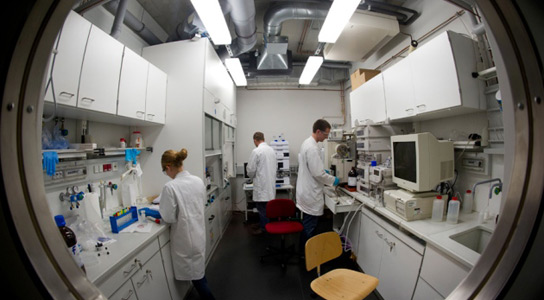
    An international poll provides a lens into lab workers’ attitudes to workplace welfare. Credit: Arno Burgi/DPA/Press Association
    An international poll provides a lens into lab workers’ attitudes to workplace welfare. Credit: Arno Burgi/DPA/Press Association

    According to the results of the first international survey of researchers’ workplace attitudes and practices, scientists may have a false sense of security about the safety of their laboratories.

    86% of the 2,400 scientists who responded to the survey stated that their labs are safe places to work. Yet just under half experienced injuries, ranging from animal bites to chemical inhalation. A large part of the scientists also noted frequently working alone, unreported injuries and insufficient safety training.

    Nature Publishing Group and the firm BioRAFT helped launch the survey. UCLA’s Center for Laboratory Safety plans to analyze the data more closely later this year. Most of the participants were from the USA and the UK, but also came from Europe, China and Japan. They felt that any injuries sustained were part of the job. The most common injuries were minor, but 30% of the respondents said they had witnessed at least one major lab injury, which required the attention of a medical professional. More than one-quarter of junior researchers stated that they had experienced an injury that they didn’t report to their supervisors.

    Only 60% said that they had received safety training. Around half agreed that lab safety could be improved, with chemists (60%) most likely to feel this, and neuroscientists (30%) significantly less so.

    Around 40% of junior scientists said that people worked alone in their lab every day, compounding the risk to health in the case of an accident, compared to only 26% of senior scientists. Junior researchers tend to work longer hours in the lab than their bosses. Half of the juniors worked over 40 hours a week, compared to just one-fifth of seniors.

    UK and US scientists also assess lab risks differently when they start an experiment, due to legal requirement. Two-thirds of Britons said they used their organization’s approved form of risk assessment, which is mandated by the UK Health & Safety Executive. Only one-quarter of Americans did the same.

    Researchers tend to have mixed feelings about safety training, inspections, and safety rules. Two-thirds thought that lab inspections improved safety, with senior scientists more likely to agree than juniors.

    Some health and safety experts think that the survey was too broad and unfocused to draw definite conclusions. The non-randomized sampling technique was also criticized.

    Never miss a breakthrough: Join the SciTechDaily newsletter.
    Follow us on Google and Google News.

    Share. Facebook Twitter Pinterest LinkedIn Email Reddit

    Related Articles

    Tea or Coffee? Your Daily Choice Could Affect Osteoporosis Risk

    Scientists Discover Brain Pathway That May Slow Parkinson’s Disease – but Only in Women

    Vitamin C May Fight Cancer in a Surprising Way

    Light-Matter Particles Could Revolutionize AI Computing

    Scientists Warn Many Insects May Not Survive a Warming World

    Hektoria Glacier Collapse Reveals How Fast Antarctica Can Fall Apart

    Hidden Earthquake Threat: Oregon’s Fault May Be Closer to the Surface Than Scientists Thought

    Scientists Use Smartwatch Data To Track the Hidden Health Effects of Air Pollution

    The Human Body Isn’t Perfect – It Was Improvised by Evolution

    Leave A Reply Cancel Reply

    • Facebook
    • Twitter
    • Pinterest
    • YouTube

    Don't Miss a Discovery

    Subscribe for the Latest in Science & Tech!

    Trending News

    Scientists Uncover Promising New Strategy To Stop Parkinson’s in Its Tracks

    Experts Reveal the Surprising Cancer Link Behind a Common Vitamin

    This Strange “Golden Orb” Found 2 Miles Deep Stumped Scientists for Years

    Giant “Last Titan” Dinosaur Discovered in Thailand Was Bigger Than 9 Elephants

    This “Longevity Gene” May Protect the Brain From Aging and Dementia

    Common Cleaning Chemical Could Triple Your Risk of a Dangerous Liver Disease

    Scientists Discover Bizarre 100-Million-Year-Old Insect With Giant Claws

    Scientists Discover “Good” Gut Microbes That Could Protect Against Autism and ADHD

    Follow SciTechDaily
    • Facebook
    • Twitter
    • YouTube
    • Pinterest
    • Newsletter
    • RSS
    SciTech News
    • Biology News
    • Chemistry News
    • Earth News
    • Health News
    • Physics News
    • Science News
    • Space News
    • Technology News
    Recent Posts
    • Tea or Coffee? Your Daily Choice Could Affect Osteoporosis Risk
    • Scientists Discover Brain Pathway That May Slow Parkinson’s Disease – but Only in Women
    • Vitamin C May Fight Cancer in a Surprising Way
    • Light-Matter Particles Could Revolutionize AI Computing
    • Scientists Warn Many Insects May Not Survive a Warming World
    Copyright © 1998 - 2026 SciTechDaily. All Rights Reserved.
    • Science News
    • About
    • Contact
    • Editorial Board
    • Privacy Policy
    • Terms of Use

    Type above and press Enter to search. Press Esc to cancel.