
Tiny, non-intoxicating doses of THC may help protect the body from the long-term side effects of HIV treatment.
Scientists at Texas Biomedical Research Institute report that long-term exposure to very small amounts of THC may help reduce inflammation and other harmful effects caused by HIV and antiretroviral therapy (ART).
THC, or tetrahydrocannabinol, is the primary psychoactive compound found in cannabis. In this preclinical research, investigators used extremely low doses that did not produce noticeable nervous system effects such as euphoria or a “high.”
The study found that these low doses were associated with higher serotonin production and lower levels of inflammation, cholesterol, and toxic secondary bile acids. Researchers also observed reduced concentrations of ART medications in the bloodstream, which is significant because these drugs can damage the liver over time. Importantly, viral suppression remained fully intact. The work was conducted in animal models designed to closely mirror people living with HIV who are receiving ART, and the findings were published in Science Advances.
Why Long-Term HIV Side Effects Matter
ART is highly effective at keeping HIV levels undetectable, transforming the condition from a fatal diagnosis into a chronic but manageable disease. However, living longer with HIV has revealed new challenges, including ongoing inflammation and medication-related health problems.
“People living with HIV experience chronic inflammation, which leads to many co-morbidities such as cardiovascular disease, liver disease and some neurological diseases,” said Professor Mahesh Mohan, DVM, Ph.D. “Our lab is interested in finding solutions to help address this.”
This study builds on earlier research from Dr. Mohan’s laboratory that examined therapeutic applications of low-dose THC, including its use in FDA-approved treatments for seizures, chemotherapy-induced nausea and vomiting, and AIDS-related anorexia and weight loss.
Extensive Metabolic Analysis Finds No Harm
Over a three-year period, Lakmini Premadasa, Ph.D., a Staff Scientist in Dr. Mohan’s lab, conducted a detailed analysis of hundreds of metabolites, which are small molecules involved in essential biological functions. The goal was to determine whether daily low-dose THC, taken alongside ART, produced beneficial or harmful effects throughout the body.
“There were no downsides,” Dr. Premadasa said. “I kept looking because I couldn’t believe it could all be good, but I really could not find any negative impacts.”
Lower Drug Exposure Without Losing Viral Control
The study involved two groups of rhesus macaques infected with simian immunodeficiency virus (SIV), which closely resembles HIV in humans. Both groups received ART for five months. One group also received low-dose THC, while the other was given a placebo.
After five months, SIV levels were undetectable in both groups. However, animals that received THC showed significantly lower levels of ART drugs circulating in their blood compared with those that received ART alone.
“This was unexpected,” Dr. Premadasa said. “This suggests that THC is helping to metabolize the antiretroviral drugs faster, which is actually much better to protect the liver from toxicity associated with some currently prescribed ART drugs.”
Improved Gut Health and Serotonin Levels
Another major outcome involved serotonin, a neurotransmitter that influences mood, sleep, and digestion. Serotonin levels were much higher in animals treated with THC than in those that did not receive it.
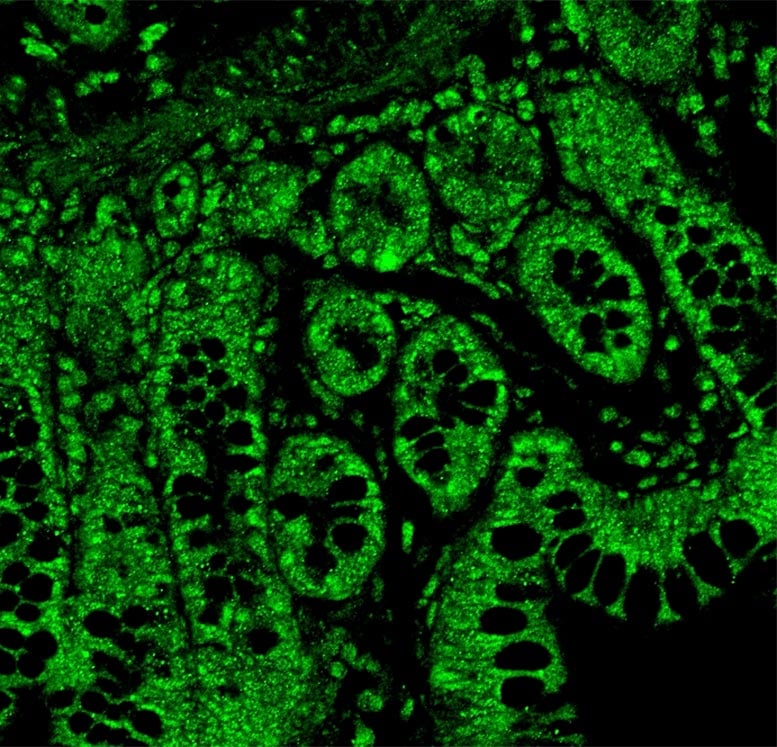
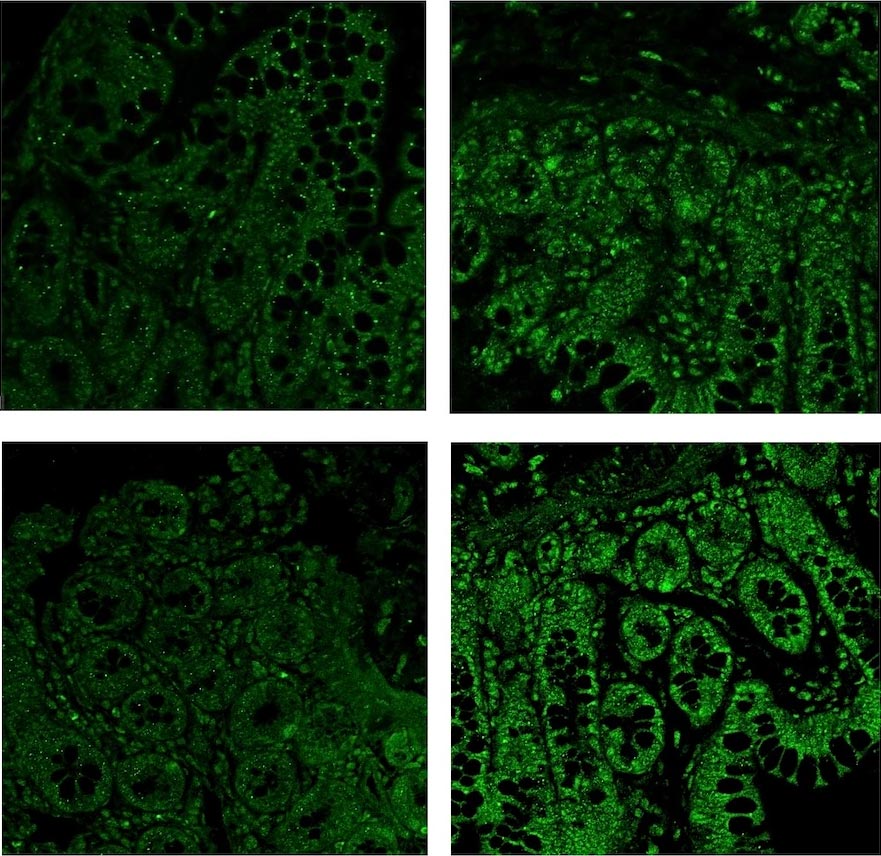
Researchers found changes at multiple stages of serotonin production, which largely occurs in the gut. Dr. Premadasa observed increased numbers of serotonin-producing enterochromaffin cells and higher levels of beneficial gut bacteria (L. plantarum) that support serotonin synthesis. She also identified increased expression of serotonin receptors, which play a critical role in sending signals from the gut to the brain through the vagus nerve, strengthening communication along the gut-brain axis.
“This is an exciting finding that could be investigated further to address a range of conditions related to low serotonin levels, including depression, memory loss, brain fog and perhaps long-COVID symptoms,” Dr. Mohan said. “Reduced serotonin levels are known to disrupt signaling between the gut and brain, so improving those serotonin levels and communication with low-dose cannabinoids could offer a new or complementary treatment approach.”
Benefits for Cholesterol and Heart Health
Animals receiving THC also showed a more balanced gut microbiome, with higher levels of beneficial bacteria, including species known to help lower cholesterol. Levels of secondary bile acids were reduced as well. At high concentrations, these bile acids can cause blockage of liver bile ducts (cholestasis), inflammation and scarring (cirrhosis) and end-stage liver disease.
The study also found increases in metabolites that help break down fatty acids, a change associated with reduced plaque buildup in arteries and improved cardiovascular health. In fact, levels of plaque-forming fatty acids known as long-chain acetylcholines returned to pre-infection levels in the THC-treated group. Animals that received only ART continued to show elevated levels of these harmful fats.
What Researchers Are Studying Next
Because the research was conducted in nonhuman primates, additional studies will be needed to determine whether the same effects occur in people. The findings may also apply to other conditions associated with gut inflammation, including irritable bowel syndrome, chronic liver disease, and neurodegenerative disorders such as Alzheimer’s and Parkinson’s diseases.
The research team is now exploring the effects of cannabidiol, or CBD, a nonpsychoactive compound, when combined with THC and administered orally or by injection alongside ART. Future studies will also examine other cannabinoids and plant-derived aromatic compounds known as terpenes. Researchers caution that commercially available cannabinoid products may not produce the same effects due to differences in dosage, formulation, and metabolism. Individuals should consult a healthcare provider before using cannabinoid-based medications.
Reference: “Supplementing HIV-ART with cannabinoids increases serotonin, BHB, and Ahr signaling while reducing secondary bile acids and acylcholines” by Lakmini S. Premadasa, Luis Romero and Mahesh Mohan, 3 September 2025, Science Advances.
DOI: 10.1126/sciadv.adw4021
Funding: National Institutes of Health award numbers R01DA042524 (M.M.) and R01DA052845 (M.M.), P30AI161943, P51OD011104 and P51OD111033.
Never miss a breakthrough: Join the SciTechDaily newsletter.
Follow us on Google and Google News.