
Close Menu
    Facebook X (Twitter) Instagram
    SciTechDaily
    • Biology
    • Chemistry
    • Earth
    • Health
    • Physics
    • Science
    • Space
    • Technology
    Facebook X (Twitter) Pinterest YouTube RSS
    SciTechDaily
    Home»Health»Mayo Clinic: Antibiotics Before Age 2 Associated With Chronic Childhood Health Problems
    Health

    Mayo Clinic: Antibiotics Before Age 2 Associated With Chronic Childhood Health Problems

    By Mayo ClinicNovember 15, 2020No Comments3 Mins Read
    Facebook Twitter Pinterest Telegram LinkedIn WhatsApp Email Reddit
    Share
    Facebook Twitter LinkedIn Pinterest Telegram Email Reddit
    Sick Child
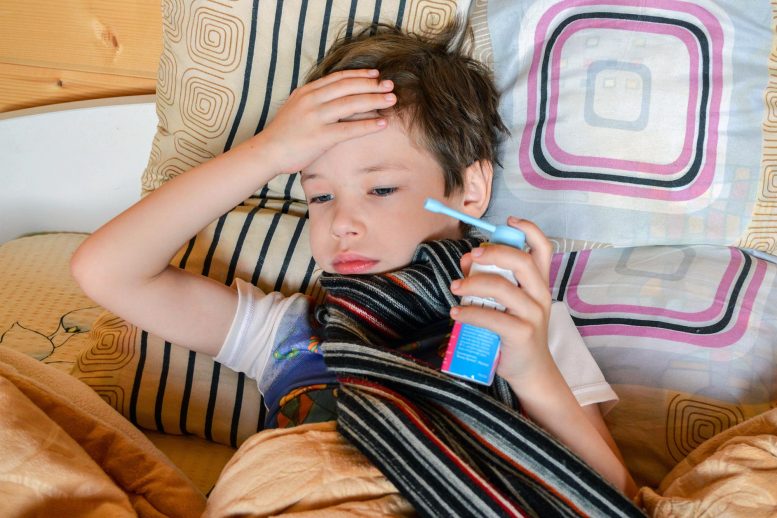
    Researchers at the Mayo Clinic have discovered a link between antibiotics given to children under the age of 2 and various persistent health issues, including allergies and obesity.

    In a retrospective case study, Mayo Clinic researchers have found that antibiotics administered to children younger than 2 are associated with several ongoing illnesses or conditions, ranging from allergies to obesity. The findings appear in Mayo Clinic Proceedings.

    Using health record data from the Rochester Epidemiology Project, a population-based research collaboration in Minnesota and Wisconsin, researchers analyzed data from over 14,500 children. About 70% of the children had received at least one treatment with antibiotics for illness before age 2. Children receiving multiple antibiotic treatments were more likely to have multiple illnesses or conditions later in childhood.

    Types and frequency of illness vary depending on age, type of medication, dose, and number of doses. There also were some differences between boys and girls. Conditions associated with early use of antibiotics included asthma, allergic rhinitis, weight issues and obesity, food allergies, attention deficit hyperactivity disorder, celiac disease, and atopic dermatitis. The authors speculate that even though antibiotics may only transiently affect the microbiome, the collection of microbes in the body, this may have long-term health consequences.

    “We want to emphasize that this study shows association — not causation — of these conditions,” says Nathan LeBrasseur, Ph.D., a researcher at Mayo Clinic’s Robert and Arlene Kogod Center on Aging and the study’s senior author. “These findings offer the opportunity to target future research to determine more reliable and safer approaches to timing, dosing, and types of antibiotics for children in this age group.”

    While recent data show an increase in some of the childhood conditions involved in the study, experts are not sure why. Other than the issue of multidrug resistance, antibiotics have been presumed safe by most pediatricians.

    Researchers also say the ultimate goal is to provide practical guidelines for physicians on the safest way to use antibiotics early in life.

    Reference: “Association of Infant Antibiotic Exposure With Childhood Health Outcomes” by Zaira Aversa, MD, PhD; Elizabeth J. Atkinson, MS; Marissa J. Schafer, PhD; Regan N. Theiler, MD, PhD; Walter A. Rocca, MD; Martin J. Blaser, MD and Nathan K. LeBrasseur, PhD, 15 November 2020, Mayo Clinic Proceedings.
    DOI: 10.1016/j.mayocp.2020.07.019

    Other coauthors of the study are Zaira Aversa, M.D., Ph.D., first author; Elizabeth Atkinson; Marissa Schafer, Ph.D.; Regan Theiler, M.D., Ph.D.; and Walter Rocca, M.D. — all of Mayo Clinic — and Martin Blaser, M.D., of Rutgers University.

    The study was supported by the Pritzker Foundation, Leonard and Mary Lou Hoeft Fund in Healthy Aging and Independent Living Research, Rochester Epidemiology Project, C&D Fund, and Transatlantic Networks of Excellence of the Leducq Foundation.

    The Rochester Epidemiology Project has been supported by the National Institutes of Health since its inception more than 50 years ago.

    Never miss a breakthrough: Join the SciTechDaily newsletter.
    Follow us on Google and Google News.

    Antibiotics Mayo Clinic Pediatrics
    Share. Facebook Twitter Pinterest LinkedIn Email Reddit

    Related Articles

    Taking This Popular Type of Medicine as an Infant Could Increase Your Risk of Obesity

    Better Than Antibiotics – Stool Transplants Show Promising Results in Treating Life-Threatening Infections

    A New Study Links Infant Antibiotic Use to Adult Diseases

    Engineered Liposomes: A Possible Alternative to Antibiotics

    Antifreeze Protein in Ticks Could Lead to New Antibiotics for Humans

    Yale Study Shows Siblings of Children with Autism Can Show Signs at 18 Months

    UCSD Biologists Develop New Method for Identifying Antibiotics

    UCLA Study Shows Childhood Obesity Linked to More Health Problems Than Previously Thought

    Children Exposed to Nicotine in Utero Have Lower Reading Scores

    Leave A Reply Cancel Reply

    • Facebook
    • Twitter
    • Pinterest
    • YouTube

    Don't Miss a Discovery

    Subscribe for the Latest in Science & Tech!

    Trending News

    Scientists Uncover Potential Brain Risks of Popular Fish Oil Supplements

    Scientists Discover a Surprising Way To Make Bread Healthier and More Nutritious

    After 60 Years, Scientists Uncover Unexpected Brain Effects of Popular Diabetes Drug Metformin

    New Research Uncovers Hidden Side Effects of Popular Weight-Loss Drugs

    Scientists Rethink Extreme Warming After Surprising Ocean Discovery

    Landmark Study Links Never Marrying to Significantly Higher Cancer Risk

    Researchers Discover Unknown Beetle Species Just Steps From Their Lab

    Largest-Ever Study Finds Medicinal Cannabis Ineffective for Anxiety, Depression, PTSD

    Follow SciTechDaily
    • Facebook
    • Twitter
    • YouTube
    • Pinterest
    • Newsletter
    • RSS
    SciTech News
    • Biology News
    • Chemistry News
    • Earth News
    • Health News
    • Physics News
    • Science News
    • Space News
    • Technology News
    Recent Posts
    • Not Just Alzheimer’s: Scientists Uncover Clues to a Second, Overlooked Disorder
    • Scientists Uncover Dangerous Connection Between Serotonin and Heart Valve Disease
    • Scientists Discover a “Protector” Protein That Could Help Reverse Hair Loss
    • Powerful Lasers Reveal How Matter Becomes Plasma in Trillionths of a Second
    • A Simpler Path to Super-Resolution: Scientists Reinvent Microscopy
    Copyright © 1998 - 2026 SciTechDaily. All Rights Reserved.
    • Science News
    • About
    • Contact
    • Editorial Board
    • Privacy Policy
    • Terms of Use

    Type above and press Enter to search. Press Esc to cancel.