
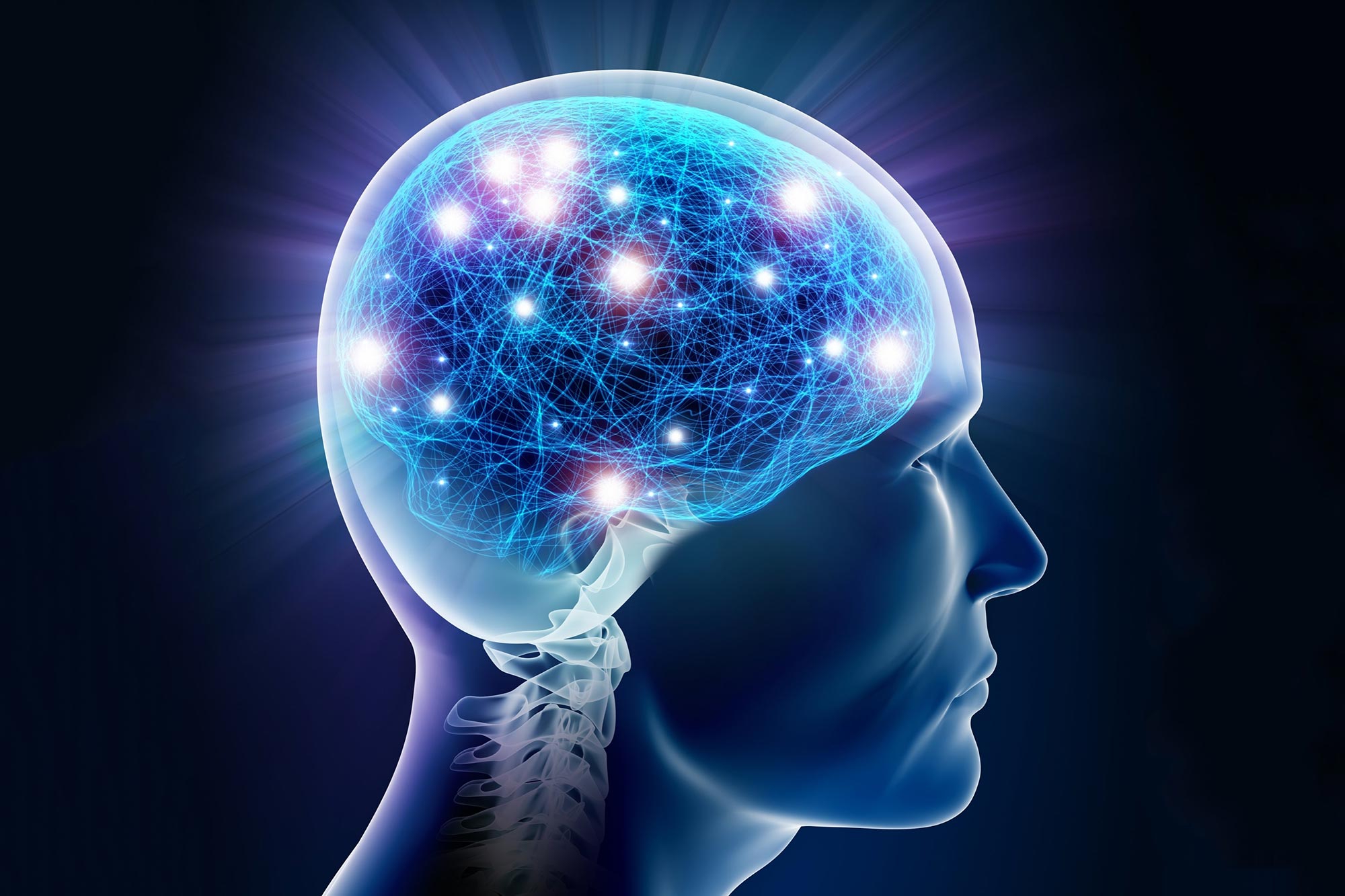
New research conducted by the Mayo Clinic, which was published in Nature Neuroscience, found that the cells serving as the central nervous system’s primary defense mechanism also contribute to the brain’s recovery from anesthesia. This finding opens up new possibilities for developing techniques to tackle complications following anesthesia.
When coming out of anesthesia, more than one-third of patients can experience either extreme drowsiness or hyperactivity, a side effect called delirium. Mayo researchers found that special immune cells in the brain called microglia can act to shield neurons from the aftereffects of anesthesia to awaken the brain.
Microglia’s Role in Neuronal Activity
“This is the first time we’ve seen microglia enhance and boost neuronal activity by physically engaging the brain circuits,” says Mayo Clinic neuroscientist Long-Jun Wu, senior author of the study.
The researchers observed microglia wedging between neurons and inhibitory synapses, suppressing neural activity under anesthesia. The microglia appear to be trying to shield the neurons to counteract sedation.
The brain consists of a network of neurons that fire and spur activity throughout the body. Neurons are connected by synapses that receive and transmit signals enabling one to move, think, feel, and communicate. In this environment, microglia help keep the brain healthy, stable, and functioning. Although microglia were discovered more than 100 years ago, it wasn’t until the last 20 years that they became a serious research focus.
Advances in Microglia Research
In the beginning, scientists only had fixed slides of microglia to examine, which offered still snapshots of these cells. Initially, it was thought that when neurons were not active and the brain was quiet, microglia were less active. Then technology made it possible to observe and study microglia in greater detail, including how they move.
“Microglia are unique brain cells because they have very dynamic processes. They move and dance around as they survey the brain. We now have powerful images that show their activity and movement,” says Dr. Wu.
Microglia (green) move and “dance” around actively monitoring the brain and interacting with a neuron (red).
For several years, Dr. Wu and his team have been leading research into how microglia and neurons communicate in healthy and unhealthy brains. For example, they have shown that microglia can dampen neuronal hyperactivity during seizures from epilepsy.
Microglia’s Response to Anesthesia
In 2019, the researchers discovered that microglia can sense when the brain and its activity is being suppressed, for example, by anesthesia. They found that microglia become more active and vigilant when this occurs.
“We now can see microglia increase their surveillance and patrol the brain’s neural activity like a police officer at night responding to suspicious activity when all else is quiet,” Dr. Wu says.
Patients experiencing delirium or agitation when coming out of anesthesia can also feel hyperactive or experience extreme sluggishness. The researchers believe hyperactivity may result from the microglia intervening too much between the neuron and inhibitory synapses.
“If we can explore the role of microglia in various physiological states, such as sleep, we could apply this knowledge to improve patient care in clinical settings,” says Koichiro Haruwaka, Ph.D., lead author of the study and a Mayo Clinic senior research fellow.
Reference: “Microglia enhance post-anesthesia neuronal activity by shielding inhibitory synapses” by Koichiro Haruwaka, Yanlu Ying, Yue Liang, Anthony D. Umpierre, Min-Hee Yi, Vaclav Kremen, Tingjun Chen, Tao Xie, Fangfang Qi, Shunyi Zhao, Jiaying Zheng, Yong U. Liu, Hailong Dong, Gregory A. Worrell and Long-Jun Wu, 4 January 2024, Nature Neuroscience.
DOI: 10.1038/s41593-023-01537-8
Never miss a breakthrough: Join the SciTechDaily newsletter.
Follow us on Google and Google News.
1 Comment
I hate coming out of anesthesia. I am one of those who experience extreme drowsiness. I also hate the aftermath of recovering where no matter what I do, I am constipated for up to 5 days!