
Close Menu
    Facebook X (Twitter) Instagram
    SciTechDaily
    • Biology
    • Chemistry
    • Earth
    • Health
    • Physics
    • Science
    • Space
    • Technology
    Facebook X (Twitter) Pinterest YouTube RSS
    SciTechDaily
    Home»Space»NASA Lost Contact With ICON Spacecraft
    Space

    NASA Lost Contact With ICON Spacecraft

    By Denise Hill, NASADecember 8, 2022No Comments2 Mins Read
    Facebook Twitter Pinterest Telegram LinkedIn WhatsApp Email Reddit
    Share
    Facebook Twitter LinkedIn Pinterest Telegram Email Reddit
    NASA’s ICON to Explore Boundary Between Earth and Space
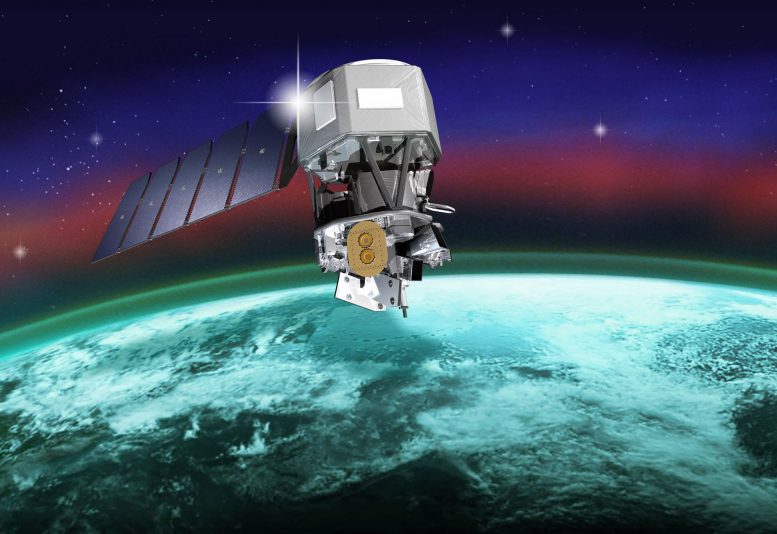
    Illustration of ICON spacecraft. Credit: NASA’s Goddard Space Flight Center/Mary Pat Hrybyk-Keith

    NASA’s ICON spacecraft, launched in 2019 to study the ionosphere, has lost contact and remains unresponsive.

    NASA’s Ionospheric Connection Explorer (ICON) team lost contact with the spacecraft on November 25, 2022. The ICON spacecraft is equipped with a built-in onboard command loss timer that will power cycle or reset the spacecraft after contact is lost for eight days. After the power cycle was complete on December 5, the team was still unable to acquire a downlink signal from the spacecraft. Currently, the team is still working to establish a connection.

    Working with the Department of Defense’s Space Surveillance Network, the team has verified that ICON remains intact.
    NASA’s Ionospheric Connection Explorer Mission
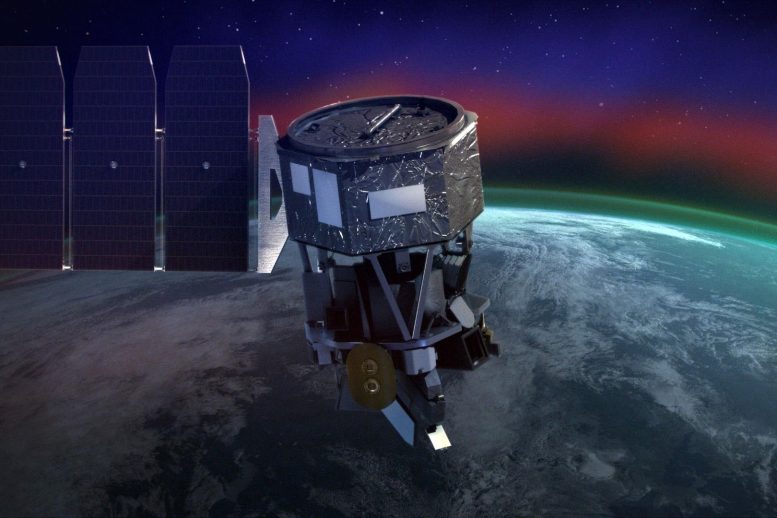
    NASA’s Ionospheric Connection Explorer mission launched from Cape Canaveral, Florida on October 10, 2019, to study the effects of terrestrial weather and solar influences on the Earth’s ionosphere from a height of about 350 miles. Credit: Maria Estacion, U.S. Navy

    The ICON mission team is working to troubleshoot the issue and has narrowed the cause of the communication loss to problems within the avionics or radio-frequency communications subsystems. The team is currently unable to determine the health of the spacecraft, and the lack of a downlink signal could be indicative of a system failure.

    ICON launched on October 10, 2019, and completed its two-year prime mission science objectives in December 2021. It has been operating in extended mission status since that time.

    ICON, the Ionospheric Connection Explorer studied the frontier of space: the dynamic zone high in our atmosphere where Earth weather and space weather meet. In this region, the tenuous gases are anything but quiet, as a mix of neutral and charged particles travel through in giant winds. These winds can change on a wide variety of time scales — due to Earth’s seasons, the day’s heating and cooling, and incoming bursts of radiation from the sun. This region of space and its changes have practical repercussions, given our ever-increasing reliance on technology — this is the area through which radio communications and GPS signals travel. ICON helped determine the physics of our space environment and its findings will help pave the way for mitigating its effects on our technology, communications systems, and society. 

    Never miss a breakthrough: Join the SciTechDaily newsletter.
    Follow us on Google and Google News.

    NASA NASA ICON Popular
    Share. Facebook Twitter Pinterest LinkedIn Email Reddit

    Related Articles

    NASA ICON Spacecraft Launches on Mission to Explore Frontier of Space

    The Bolshoi Simulation: Boxing the Universe

    Solar Dynamics Observatory Measures Magnetic Fields on Sun’s Surface

    ESA’s Hershel Space Telescope Captures Incredible Views of Eagle Nebula

    Mars Rover Opportunity to Spend Several Months at “Greeley Haven”

    SOFIA Looking Deep Into the Orion Nebula

    NASA Probe Takes Close-Up Photos of Giant Vesta Asteroid

    Comet Survives after Close Brush With the Sun

    NASA Curiosity Heads to Mars

    Leave A Reply Cancel Reply

    • Facebook
    • Twitter
    • Pinterest
    • YouTube

    Don't Miss a Discovery

    Subscribe for the Latest in Science & Tech!

    Trending News

    Largest-Ever Study Finds Medicinal Cannabis Ineffective for Anxiety, Depression, PTSD

    250-Million-Year-Old Egg Solves One of Evolution’s Biggest Mysteries

    Living With Roommates Might Be Changing Your Gut Microbiome Without You Knowing

    Century-Old Cleaning Chemical Linked to 500% Increased Risk of Parkinson’s Disease

    What if Your Memories Never Happened? Physicists Take a New Look at the Boltzmann Brain Paradox

    One of the Universe’s Largest Stars May Be Getting Ready To Explode

    Scientists Discover Enzyme That Could Supercharge Ozempic-Like Weight Loss Drugs

    Popular Sweetener Linked to DNA Damage – “It’s Something You Should Not Be Eating”

    Follow SciTechDaily
    • Facebook
    • Twitter
    • YouTube
    • Pinterest
    • Newsletter
    • RSS
    SciTech News
    • Biology News
    • Chemistry News
    • Earth News
    • Health News
    • Physics News
    • Science News
    • Space News
    • Technology News
    Recent Posts
    • Challenging the Narrative: New Study Shows U.S. Life Expectancy Is Rising Across All States
    • Mystery Illness Kills 5 in Burundi As Doctors Scramble for Answers
    • Bone-Strengthening Discovery Could Reverse Osteoporosis
    • The Most Elusive Number in Physics Just Got Even More Mysterious
    • Scientists Uncover Hidden Trigger Behind Stem Cell Aging
    Copyright © 1998 - 2026 SciTechDaily. All Rights Reserved.
    • Science News
    • About
    • Contact
    • Editorial Board
    • Privacy Policy
    • Terms of Use

    Type above and press Enter to search. Press Esc to cancel.