
Close Menu
    Facebook X (Twitter) Instagram
    SciTechDaily
    • Biology
    • Chemistry
    • Earth
    • Health
    • Physics
    • Science
    • Space
    • Technology
    Facebook X (Twitter) Pinterest YouTube RSS
    SciTechDaily
    Home»Biology»Glowing Fossils: Fluorescent Color Patterns Found in 240 Million-Year-Old Shells
    Biology

    Glowing Fossils: Fluorescent Color Patterns Found in 240 Million-Year-Old Shells

    By University of GöttingenDecember 8, 2022No Comments2 Mins Read
    Facebook Twitter Pinterest Telegram LinkedIn WhatsApp Email Reddit
    Share
    Facebook Twitter LinkedIn Pinterest Telegram Email Reddit
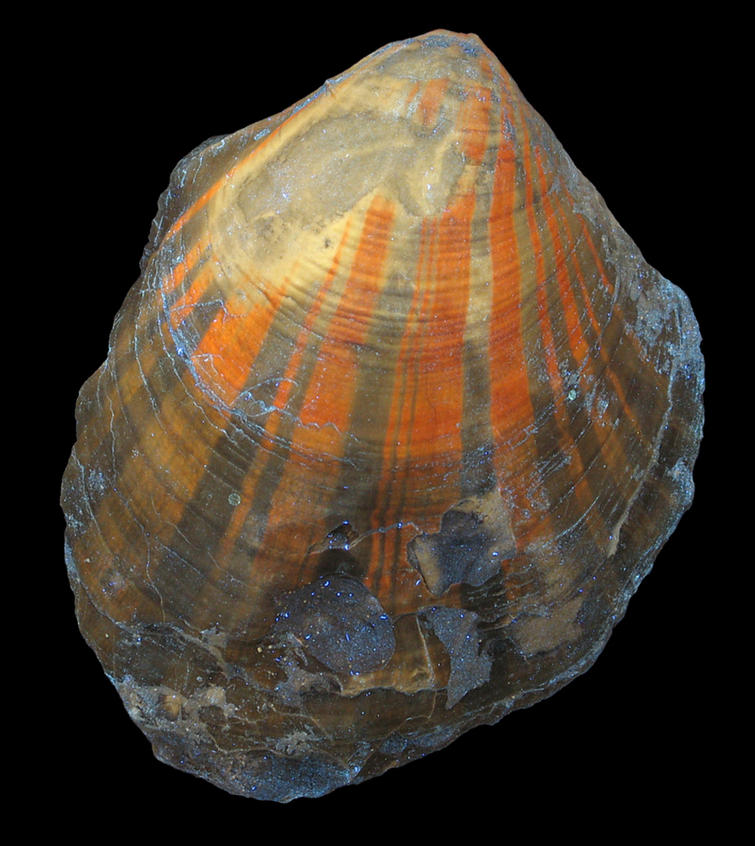
    Scallop Pleuronectites From the Triassic Period
    Scallop Pleuronectites from the Triassic period with fluorescent color pattern, under UV light. Credit: Klaus Wolkenstein

    A geobiologist from Göttingen University has found a diversity of patterns in 240 million-year-old seashells.

    UV light allows you to view intricate structures in fossils that would be impossible to observe in normal daylight. This method has often been used on fossilized seashells from the Earth’s current geological era to reveal color patterns that had long since faded away. According to a new study from the University of Göttingen, fluorescent color patterns may even be detected in 240 million-year-old shells from the Earth’s Mesozoic Era. This makes them the oldest fluorescent color patterns discovered so far. This study’s findings were published in the journal Palaeontology.
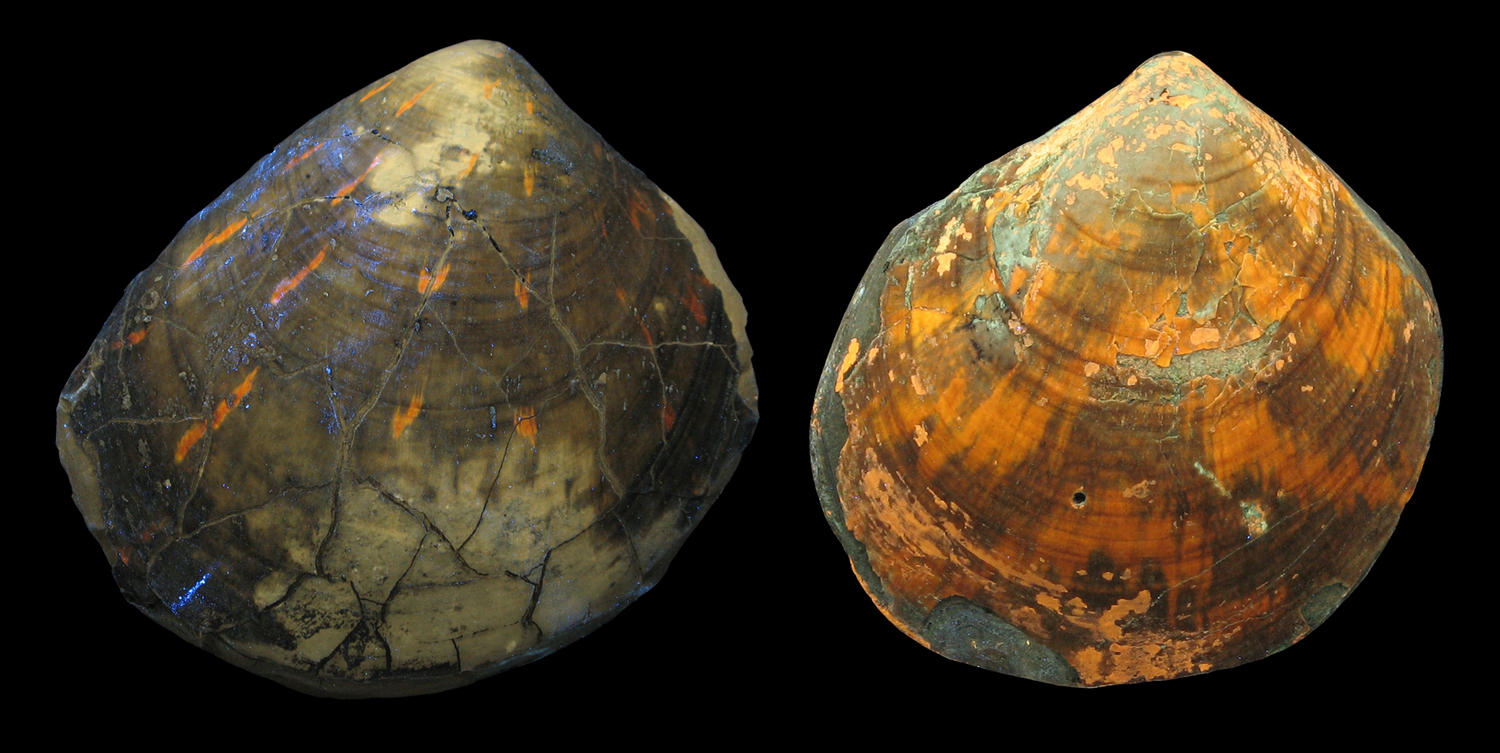
    Color Pattern Variations in the Fossil Scallop Pleuronectites
    Colour pattern variations in the fossil scallop Pleuronectites. Credit: Klaus Wolkenstein

    Traces of color patterns are extremely rare in Mesozoic Era fossils. However, UV light examination of scallops from the Triassic era — right at the start of the Mesozoic Era — reveals that color patterns are preserved much more often than previously believed. UV light, which is undetectable to the human eye, excites organic compounds in the fossils, causing them to glow. This exposes a surprising variety of color patterns, including many kinds of stripes, zigzags, and flame patterns. The diversity of color patterns is comparable to that of modern seashells seen on a beach.
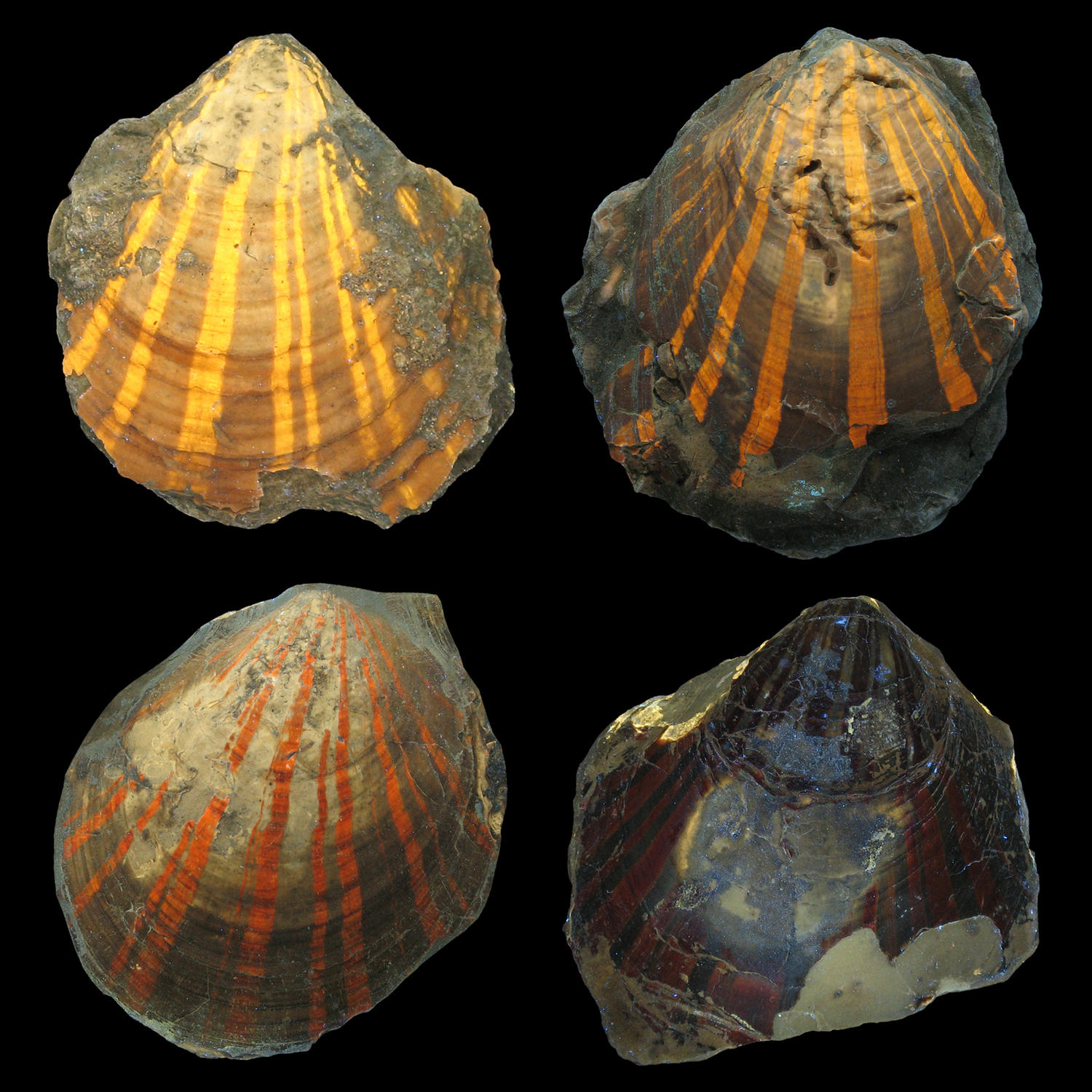
    Different Fluorescent Colors in the Fossil Scallop Pleuronectites
    Different fluorescent colors in the fossil scallop Pleuronectites. Credit: Klaus Wolkenstein

    However, the color patterns of today’s scallops do not show any fluorescence. “In the case of the Triassic shells, fluorescent compounds were only formed in the course of fossilization through oxidation of the original pigments,” explains Dr. Klaus Wolkenstein from the Geosciences Centre at the University of Göttingen, who is currently carrying out research at the University of Bonn. Surprisingly, the fossil shells show different fluorescent colors, depending on the region where they were found.

    “The color spectrum ranges from yellow to red with all the transitions in between, which suggests that there were clear regional differences in the fossilization of these scallops,” adds Wolkenstein.

    Reference: “Fluorescent colour patterns in the basal pectinid Pleuronectites from the Middle Triassic of Central Europe: origin, fate and taxonomic implications of fluorescence” by Klaus Wolkenstein, 27 October 2022, Palaeontology.
    DOI: 10.1111/pala.12625

    Never miss a breakthrough: Join the SciTechDaily newsletter.
    Follow us on Google and Google News.

    Fossils Paleontology University of Bonn University of Göttingen
    Share. Facebook Twitter Pinterest LinkedIn Email Reddit

    Related Articles

    Drepanosaurus – A Small Reptile with a Rearsome Finger

    Researchers Discover 305 Million-Year-Old “Early Spider” Fossil

    Pentecopterus – A Giant Sea Scorpion from the Prehistoric Seas

    New Species of Horned Dinosaur – Regaliceratops Peterhewsi

    Paleontologists Announce the Discovery of Bird-Like Dinosaur Anzu Wyliei

    Discovery of ‘Bird-Dinosaur’ Eosinopteryx Challenges Bird Evolution Theory

    Nyasasaurus, Oldest Dinosaur Believed to Be 243 Million Years Old

    Silurian Fossil of Dibasterium Durgae Untangles Horseshoe Crab Past

    Pegomastax Africanus, A Miniature Dinosaur That Thrived in Southern Africa

    Leave A Reply Cancel Reply

    • Facebook
    • Twitter
    • Pinterest
    • YouTube

    Don't Miss a Discovery

    Subscribe for the Latest in Science & Tech!

    Trending News

    Even Occasional Binge Drinking May Triple Liver Damage Risk

    Liftoff! NASA’s Artemis II Launch Sends Astronauts Around the Moon for First Time in 50 Years

    Scientists Discover New Way To Eliminate “Zombie Cells” Driving Aging

    This New Quantum Theory Could Change Everything We Know About the Big Bang

    This One Vitamin May Help Protect Your Brain From Dementia Years Later

    Stopping Weight-Loss Drugs Like Ozempic Can Quickly Erase Heart Benefits

    A 500-Million-Year-Old Surprise Is Forcing Scientists to Rethink Spider Evolution

    Coffee and Blood Pressure: What You Need To Know Before Your Next Cup

    Follow SciTechDaily
    • Facebook
    • Twitter
    • YouTube
    • Pinterest
    • Newsletter
    • RSS
    SciTech News
    • Biology News
    • Chemistry News
    • Earth News
    • Health News
    • Physics News
    • Science News
    • Space News
    • Technology News
    Recent Posts
    • This Nearby Earth-Sized Planet Could Answer Big Questions About Alien Worlds
    • A Fiery Finale: How NASA’s Artemis II Moon Mission Returns to Earth
    • NASA Artemis II Skips Burn As Astronaut Captures Stunning View of Earth
    • NASA’s Artemis II: Humans Just Left Earth Orbit for the First Time Since 1972
    • What Causes Chronic Pain? Scientists Identify Key Culprit in the Brain
    Copyright © 1998 - 2026 SciTechDaily. All Rights Reserved.
    • Science News
    • About
    • Contact
    • Editorial Board
    • Privacy Policy
    • Terms of Use

    Type above and press Enter to search. Press Esc to cancel.