
Close Menu
    Facebook X (Twitter) Instagram
    SciTechDaily
    • Biology
    • Chemistry
    • Earth
    • Health
    • Physics
    • Science
    • Space
    • Technology
    Facebook X (Twitter) Pinterest YouTube RSS
    SciTechDaily
    Home»Space»NASA to Brief Early Science Results From Perseverance Mars Rover
    Space

    NASA to Brief Early Science Results From Perseverance Mars Rover

    By NASAJuly 17, 20212 Comments2 Mins Read
    Facebook Twitter Pinterest Telegram LinkedIn WhatsApp Email Reddit
    Share
    Facebook Twitter LinkedIn Pinterest Telegram Email Reddit
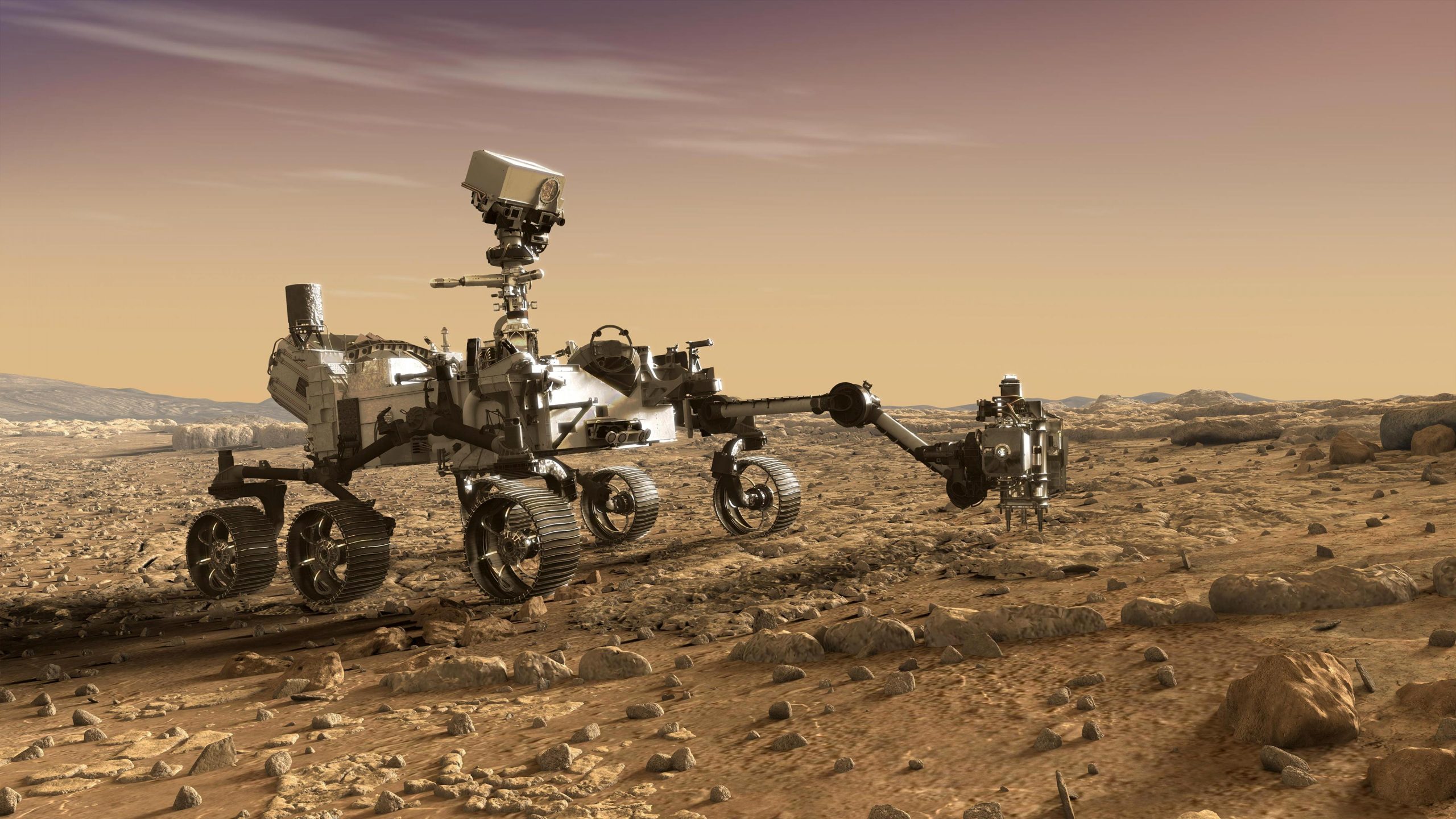
    NASA’s Mars 2020 Perseverance Rover Robotic Arm
    This illustration depicts NASA’s Mars 2020 rover studying rocks with its robotic arm. Credit: NASA/JPL-Caltech

    Panelists will discuss the rover’s recently started science campaign and groundwork for its next major milestone.

    NASA will hold a virtual media briefing at 1 p.m. EDT (10 a.m. PDT) Wednesday, July 21, to discuss early science results from the agency’s Perseverance Mars rover and its preparations to collect the first-ever Martian samples for planned return to Earth.

    The briefing will originate from NASA’s Jet Propulsion Laboratory in Southern California, where the Mars 2020 Perseverance rover mission is managed. It will air live on NASA Television, the NASA app, and the agency’s website and livestream on multiple agency social media platforms, including JPL’s YouTube and Facebook channels.

    Briefing participants include:

    • Thomas Zurbuchen, associate administrator for science, NASA Headquarters
    • Jennifer Trosper, Perseverance project manager, JPL
    • Olivier Toupet, Perseverance enhanced navigation team lead, JPL
    • Ken Farley, Perseverance project scientist, Caltech
    • Vivian Sun, Perseverance science campaign co-lead, JPL

    Members of the public also may ask questions on social media during the briefing using #AskNASA.

    Perseverance landed in Jezero Crater on February 18. The rover team recently wrapped up an initial checkout period, which lasted 90 sols, or Martian days, and which included the Ingenuity Mars Helicopter test flight campaign. Perseverance kicked off the science phase of its mission on June 1.

    A key objective for Perseverance’s mission on Mars is astrobiology, including the search for signs of ancient microbial life. The rover will characterize the planet’s geology and past climate, pave the way for human exploration of the Red Planet, and be the first mission to collect and cache Martian rock and regolith.

    Subsequent NASA missions, in cooperation with ESA (European Space Agency), would send spacecraft to Mars to collect these sealed samples from the surface and return them to Earth for in-depth analysis.

    The Mars 2020 Perseverance mission is part of NASA’s Moon to Mars exploration approach, which includes Artemis missions to the Moon that will help prepare for human exploration of the Red Planet.

    JPL is managed for NASA by Caltech in Pasadena, California.

    Never miss a breakthrough: Join the SciTechDaily newsletter.
    Follow us on Google and Google News.

    JPL Mars Mars 2020 Perseverance Rover NASA Planets
    Share. Facebook Twitter Pinterest LinkedIn Email Reddit

    Related Articles

    Lasers, Gas Blasts, and Hidden Water: How Perseverance Cracked Mars’ Stubborn Rock

    Inside Krokodillen: NASA Hunts Signs of Life in Mars’ Oldest Rocks

    NASA’s Perseverance Mars Rover Hits a Geologic Goldmine at Jezero Crater Rim

    From Light Stones to Dark Mysteries: Perseverance’s Thrilling Hunt on Mars

    Dark, Pitted, and Possibly Alien: The Skull Hill Rock That Has Scientists Stumped

    Shocking Spherules on Mars: NASA’s Perseverance Rover Finds a Rock That Defies Explanation

    NASA’s Perseverance Rover Captures Rare Martian Dust Devil Collision in Stunning Detail

    NASA’s Perseverance Mars Rover To Begin Epic Climb up Steep Martian Crater Rim

    Charting the Red Planet: How Open Science Fuels Mars Exploration

    2 Comments

    1. JY on July 17, 2021 1:26 pm

      Liars

      Reply
      • Torbjörn Larsson on July 18, 2021 2:37 am

        ?

        Reply
    Leave A Reply Cancel Reply

    • Facebook
    • Twitter
    • Pinterest
    • YouTube

    Don't Miss a Discovery

    Subscribe for the Latest in Science & Tech!

    Trending News

    Just a Few Breathless Minutes a Day Could Slash Your Risk of 8 Major Diseases

    This Simple Habit Could Cut Your Risk of Dementia by 30%

    Scientists Debunk Rattlesnake Myth That Fooled Hikers and Doctors for Decades

    Scientists Discover Plants Can “Count” – and May Be Smarter Than We Thought

    New Research Reveals Ancient Mars May Have Been Warm, Wet – and Possibly Alive

    This Surprising Daily Habit Could Cut Dementia Risk by 35%

    Just 10 Minutes a Day: Scientists Say This Ancient Chinese Practice Shows Powerful Blood Pressure Benefits

    Scientists Say This Popular Food Could Help Your Body Get Rid of Microplastics

    Follow SciTechDaily
    • Facebook
    • Twitter
    • YouTube
    • Pinterest
    • Newsletter
    • RSS
    SciTech News
    • Biology News
    • Chemistry News
    • Earth News
    • Health News
    • Physics News
    • Science News
    • Space News
    • Technology News
    Recent Posts
    • A Simple Nose Swab Could Detect Alzheimer’s Years Before Symptoms Appear
    • Scientists Warn: Vaping Likely Causes Cancer
    • Irregular Bedtimes Could Double Your Risk of Heart Attack and Stroke
    • Scientists Just Rewrote the Timeline of Complex Life on Earth
    • 160,000 Years Ago, Hominins in China Were Far More Advanced Than We Thought
    Copyright © 1998 - 2026 SciTechDaily. All Rights Reserved.
    • Science News
    • About
    • Contact
    • Editorial Board
    • Privacy Policy
    • Terms of Use

    Type above and press Enter to search. Press Esc to cancel.